In the early stages of a business, many sellers manage orders with notebooks, Excel files, or scattered notes on their phones. This approach might be acceptable when there are only a few orders per day, sales are made through a single channel, and there are virtually no returns or refunds.
But as the number of orders increases, sales are made across multiple channels simultaneously, or COD deliveries, returns, and payment settlements start to occur, manual order management quickly becomes the biggest bottleneck in operations.
Many sellers find themselves in a situation where they have consistent orders and revenue, but the more they sell, the more confused they become, unsure if they are actually making a profit or a loss.
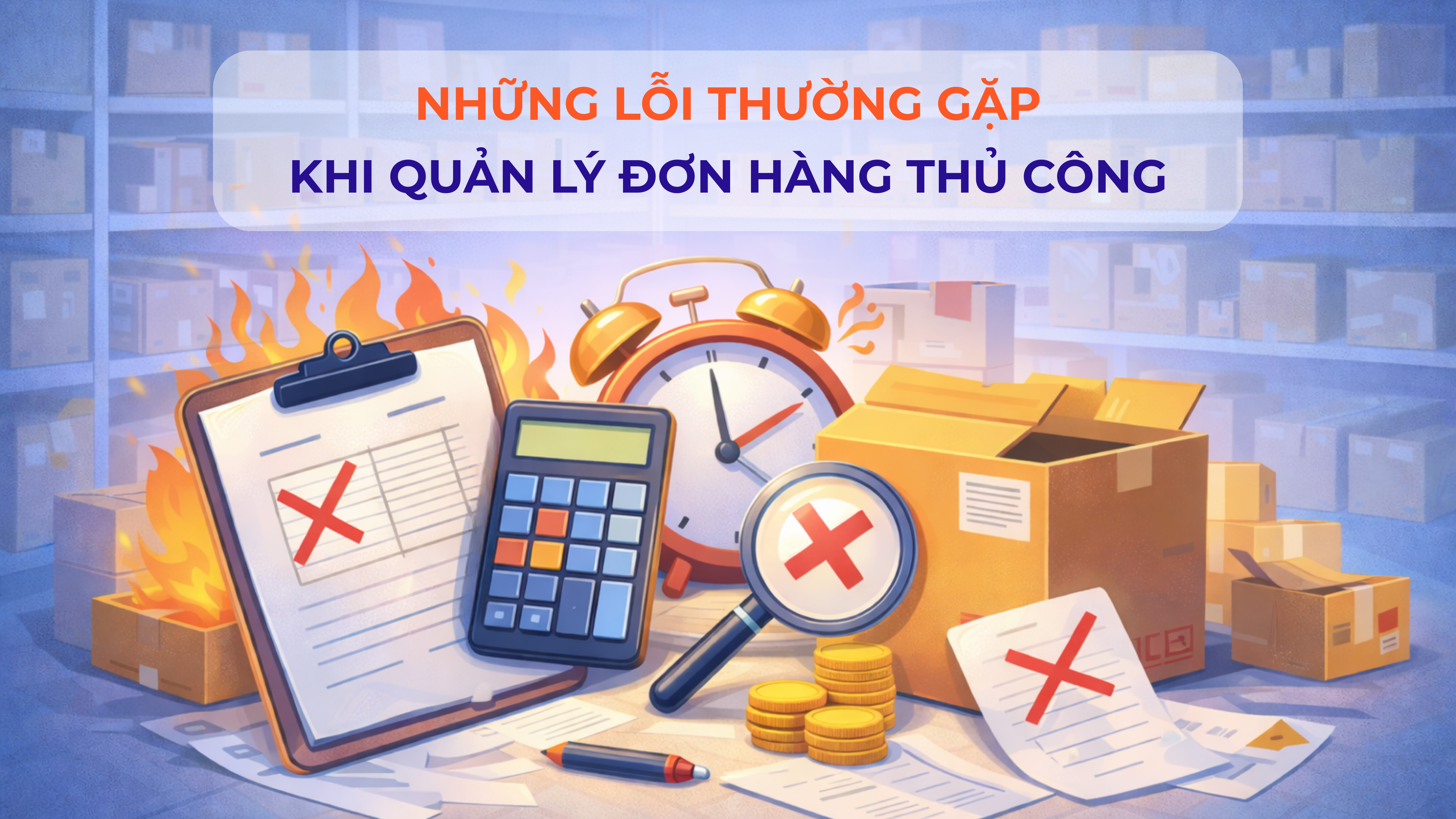
Here are the most common mistakes.
Disjointed Order Recording, No Central Data
A very common mistake is that each sales channel is recorded differently. Shopee orders are on the app, Facebook orders are in messages, Zalo orders are written in a notebook, and website orders are in emails.
When there is no central place for all orders, sellers are almost unable to:
- Know the total number of orders per day
- Quickly check the status of each order
- Reconcile old orders when issues arise
In the long run, fragmented data makes management dependent on memory and intuition.
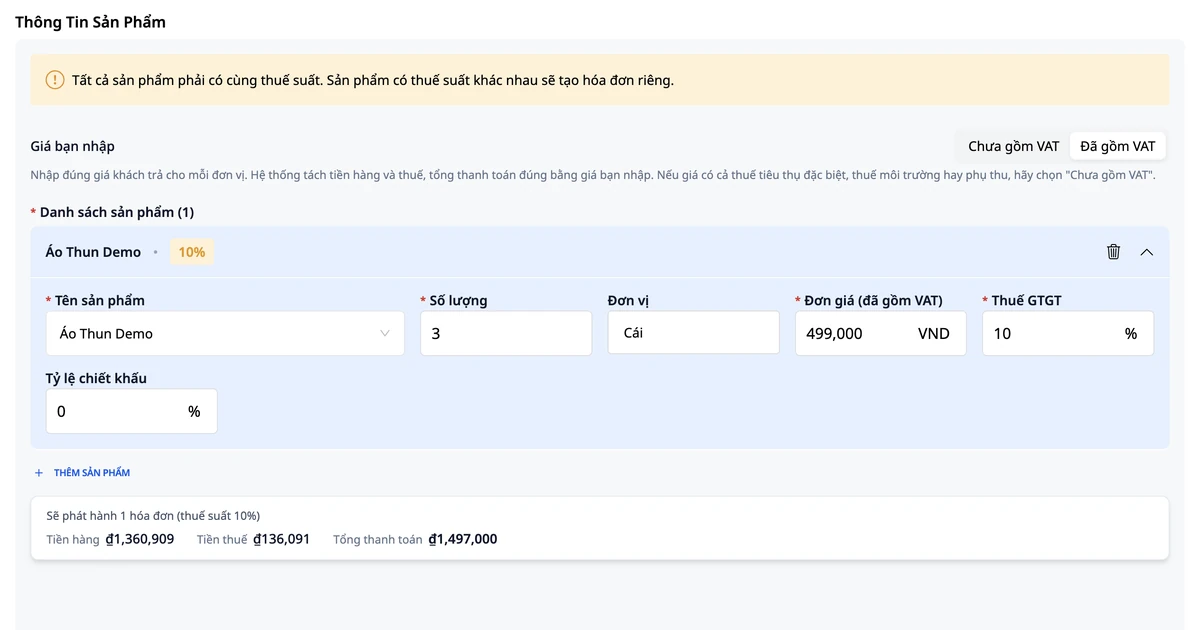
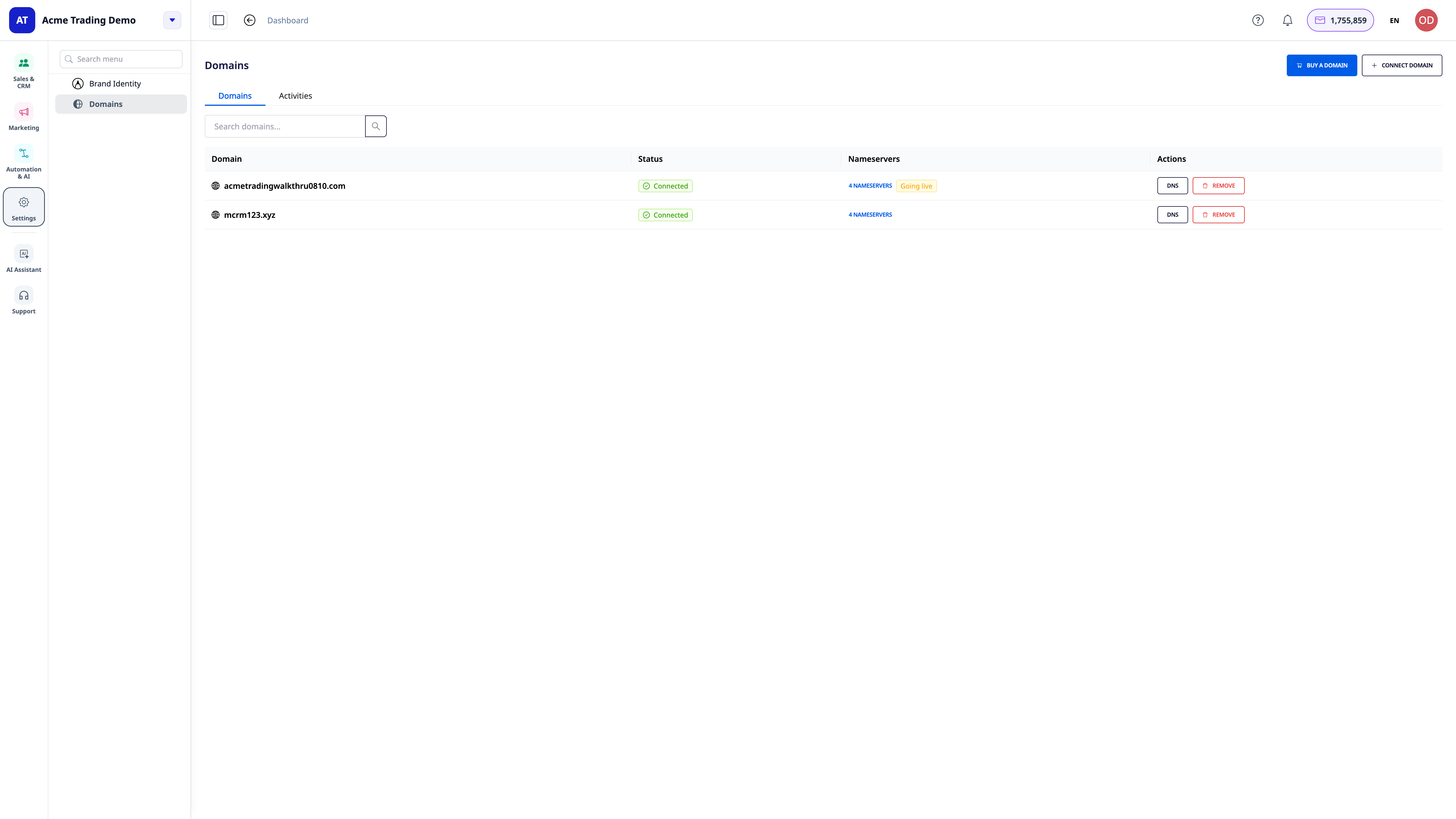
With GTG CRM, all orders from multiple channels: e-commerce platforms, websites, manual orders, etc., are consolidated into a single management dashboard, allowing sellers to see the overall picture instantly, without needing to open multiple apps or files.
Easy to Miss Orders or Process Duplicates
Manual management easily leads to situations like:
- Orders that have been delivered but are forgotten to be updated
- Orders that have already been processed but are not remembered, leading to re-processing
- COD orders where it's unclear if payment has been collected
These errors may seem small initially, but when accumulated over time, they lead to revenue discrepancies, cash losses, or disputes with shipping companies.
When orders are managed centrally on GTG CRM, each order has a clear status. Sellers know exactly which orders are being processed, which are completed, and which need reconciliation, significantly reducing the risk of errors due to manual operations.
Cannot Track Order Lifecycles
An actual order doesn't just go from "created to finished." It goes through multiple stages: confirmation, packing, shipping, successful delivery, return, or cancellation.
Manual management often only records the final outcome, skipping the entire process in between. This prevents sellers from knowing where the problem is occurring in the process: slow packing, late delivery, or high return rates.
With GTG CRM, each order has a clear lifecycle, helping sellers identify bottlenecks in the process to make adjustments, rather than just dealing with incidents when it's too late.
Orders Disconnected from Inventory, Leading to Discrepancies with Increased Sales
An extremely dangerous mistake is orders not being linked to inventory. Sellers only check inventory by feel or update inventory after they've sold.
Common consequences:
- Selling beyond stock levels
- Shipping incomplete orders
- Actual inventory not matching records at the end of the month
GTG CRM directly links orders to inventory, updating stock levels as soon as an order is created. This is especially important for multi-channel sellers, where an inventory discrepancy on just one channel can lead to a cascade of problems.
Cannot Control Costs per Order
Many sellers only look at the selling price and don't associate costs with each order: shipping fees, platform fees, returns, packaging, promotions.
Without cost data per order, sellers are prone to:
- Increased revenue but no increase in retained earnings
- Not knowing which orders are profitable and which are at a loss
- Making decisions based on gut feeling
When orders are managed systematically on GTG CRM, order data, costs, and revenue are stored synchronously, creating a foundation for sellers to understand their business performance correctly.
Shop Owners Get Bogged Down in Operations, No Time for Development
Manuelle Verwaltung zwingt Shop-Besitzer dazu, jede Bestellung einzeln zu prüfen, jede Zahlung abzugleichen und jeden kleinen Fehler zu beheben. Die Zeit, die eigentlich für Marketing, Produktverbesserung oder die Erweiterung von Vertriebskanälen aufgewendet werden sollte, wird von wiederkehrenden Aufgaben „verschluckt“.
Dies ist ein klares Zeichen dafür, dass das Betriebsmodell seine Grenzen erreicht hat.
GTG CRM automatisiert einen Großteil der Bestellverwaltungsaufgaben, sodass Verkäufer von manuellen Arbeiten befreit werden und sich auf wachstumsfördernde Aktivitäten konzentrieren können.
Schlussfolgerung
Die manuelle Bestellverwaltung ist zu Beginn nicht falsch, kann aber keine langfristige Lösung sein, wenn das Geschäft einmal angelaufen ist.
Fehler wie übersehene Bestellungen, falsche Lagerbestände, mangelnde Kostenkontrolle oder Datenchaos entstehen nicht dadurch, dass der Verkäufer nicht gut genug arbeitet, sondern durch das Fehlen eines geeigneten Managementsystems.
Aus diesem Grund wählen viele Online-Verkäufer GTG CRM als zentrale Bestellverwaltungsplattform, auf der Bestellungen, Lagerbestände, Lieferungen, Rechnungen und Cashflows im selben System verknüpft sind. Wenn Daten von Anfang an standardisiert werden, reduzieren Verkäufer nicht nur Risiken, sondern verfügen auch über eine solide Grundlage für nachhaltiges Geschäftswachstum.
Verwandeln Sie das Gelesene in Ergebnisse – wenden Sie es jetzt mit GTG CRM an, kostenlos.
Jetzt anwenden