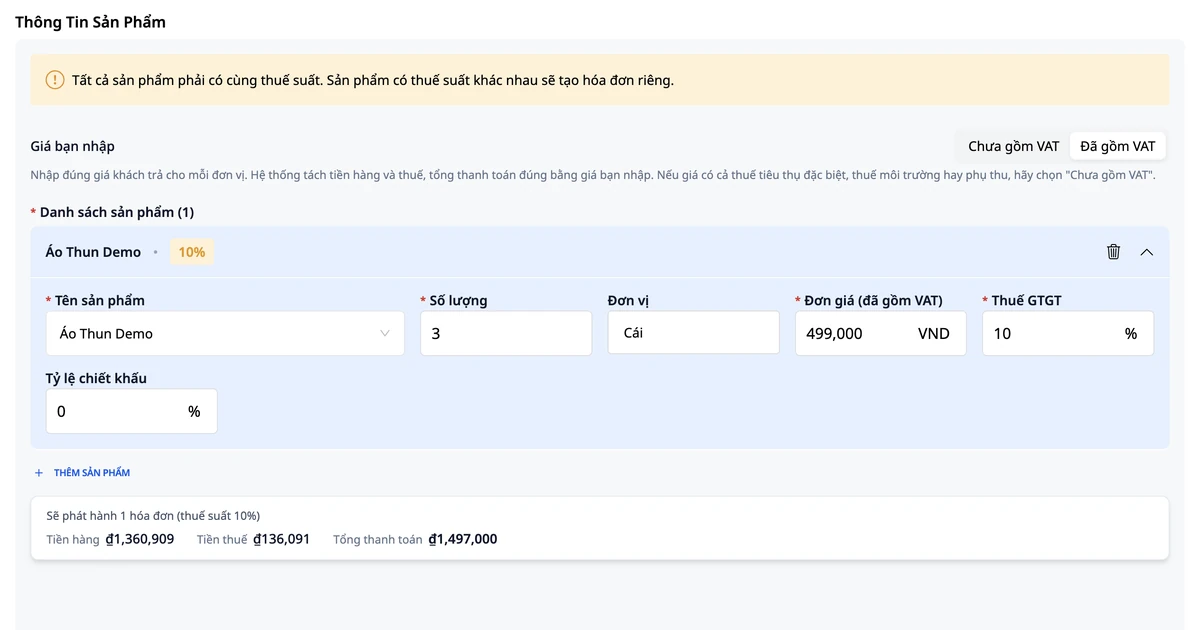
Ettevõtte tulumaksu (CIT) deklaratsioone esitades on äärmiselt oluline õigesti tuvastada kulud, mida saab maha arvata ja mida mitte. See mitte ainult ei aita ettevõttel seaduslikult maksusid optimeerida, vaid väldib ka maksukontrolli ja -inspektsioonide riske. Koos sellega on elektrooniline arvesüsteem võtmerollis nende kulude põhjendatuse tõendamisel.
See artikkel aitab teil selgitada ettevõtte tulumaksu arvutamisel lubatud kulude liike ning seda, kuidas GTG CRM aitab ettevõtetel arveid ja dokumente tõhusalt hallata.
Kulude mahaarvamise põhiprintsiibid
Kehtiva ettevõtte tulumaksu seaduse kohaselt peavad maksustatava tulu määramisel mahaarvatavad kulud vastama järgmistele tingimustele:
Mahaostatavate kulude tingimused
- Tegelikud kulud, mis on seotud tootmis- ja äritegevusega
- Kehtivad arved ja dokumendid vastavalt eeskirjadele
- Kulu ei kuulu seadusega sätestatud mahaarvamist keelatud kulude loetellu
- On arvestatud õigesti ja täielikult kauba või teenuse väärtuses
- On täielikult deklareeritud raamatupidamis- ja maksudokumentatsioonis
Levinud mahaostatavad kulud
1. Tooraine ja kauba kulud
- Tootmises otseselt kasutatava tooraine ostmise kulud
- Müügiks mõeldud kauba ostmise kulud
- Varuosade, tööriistade ja seadmete kulud
Märkus: Vajalikud on täielikud käibemaksuga arved ja maksetšekid.
2. Tööjõukulud
- Palgad, tööraha ja erinevad lisatasud
- Sotsiaalkindlustus, tervisekindlustus, töötuskindlustus (ettevõtte osa)
- Tööõnnetus- ja kutsehaiguskindlustus
- Ametiühingu rahalised vahendid (kehtivate määruste kohaselt)
3. Põhivara amortisatsioonikulud
- Materiaalne põhivara (tehased, masinad, seadmed...)
- Immateriaalne põhivara (tarkvara, autoriõigused...)
- Peab olema amortiseerunud vastavalt kehtivatele eeskirjadele
4. Ostetud teenuste kulud
- Kontori- ja tehase ruumide rendikulud
- Konsultatsioonide, auditeerimise ja õigusabi kulud
- Transpordi- ja tarnimiskulud
- Reklaami- ja turunduskulud (lubatud piirides)
5. Müügikulud
- Kauba transpordi- ja hoiustamiskulud
- Pakendamise ja pakkumise kulud
- Vahendus-, kaubanduslikud allahindlused
- Soovituslikud, reklaami kulud (kehtivate määruste kohaselt)
6. Ettevõtte juhtimiskulud
- Kontoritarbed, elekter, vesi, telefon
- Varade remondi- ja hoolduskulud
- Varade kindlustuskulud
- Töötajate koolituskulud
7. Intressikulud
- Tootmis- ja äritegevuseks vajaliku kapitali intressid
- Piirang: Intressikulud ei tohi ületada 150% turuintressimäärast (kui laen ei ole tagatud varaga või on antud seotud osapoolelt)
Mahaarvamist MITTE võimaldavad kulud
1. Kulud ilma kehtivate arveteta
- Arved, millel ei ole õiget ettevõtte nime ega maksukoodi
- Arved ilma allkirjata, pitserita
- Arved ettevõtetelt, kes ei tegutse või ei maksa makse
2. Haldusõiguserikkumiste trahvid
- Liiklusrikkumiste trahvid
- Maksurikkumiste, hilinenud maksete trahvid
- Keskkonna-, ehitusrikkumiste jne. trahvid
3. Tootmis- ja äritegevusega mitteseotud kulud
- Ettevõtte omaniku isiklikud kulud
- Heategevuskulud (v.a. juhtumid, mis on vastavalt eeskirjadele mahaarvatavad)
- Isiklike varade ostmise kulud
4. Kingituste ja külaliste vastuvõtu kulud, mis ületavad normi
- Külaliste vastuvõtu kulud, mis ületavad lubatud piiri (10 miljonit VND/kord)
- Kingituste ja annetuste kulud ilma konkreetse nimekirjata
5. Mittkehtivad eraldised
- Varude väärtuse vähenemise eraldised (v.a. teatud erialad)
- Kahtlaste nõuete vähenemise eraldised (v.a. krediidiasutused)
6. Muud kulud
- Ettevõtte tulumaks, üksikisiku tulumaks (makstud töötaja nimel)
- Võlakapitali intressid, mida omakapital ei toeta (ületab määra)
- Ebaseaduslikest tehingutest tulenevad kulud
Juhend õigustatud kulude kindlaksmääramiseks maksukõne ajal
Etapp 1: Kulude liigitus olemuse järgi
Jagage kulud rühmadesse:
- Otsetootmiskulud
- Müügikulud
- Ettevõtte halduskulud
- Muud kulud
Etapp 2: Dokumentide kehtivuse kontrollimine
Kontrollnimekiri:
- ✅ Kehtiv käibemaksuarve
- ✅ Maksetõendid (pangaülekanne, tšekk...)
- ✅ Majandusleping (suurte tehingute puhul)
- ✅ Lõpetamis- ja vastuvõtmisakt (vajadusel)
- ✅ Dokumentide andmed vastavad ettevõttele
Etapp 3: Võrdlus lubatud kulupiirangutega
Mõned kulud on maksimaalselt mahaarvatavad:
- Reklaamikulud: Mitte rohkem kui 15% kogutud mahaarvatavatest kuludest
- Edutamis- ja müügiedenduskulud: Mitte rohkem kui 15% kogutud mahaarvatavatest kuludest
- Vastuvõtukulud: Peab olema nimekiri, mitte ületama mõistlikku taset
- Laenuintress: Mitte üle 150% turuintressist (tagatiseta laenu puhul)
Etapp 4: Dokumentide registreerimine ja säilitamine
- Korraldage dokumendid kronoloogilises järjekorras
- Numereerige, koostage üksikasjalikud registrid
- Säilitage täielikult vastavalt eeskirjadele (vähemalt 10 aastat)
- Valmistuge järelevalveks, kontrolliks
Etapp 5: Maksukõne ja tasumine
- Lisage kõik kulud ettevõtte tulumaksu deklaratsiooni
- Võrrelge raamatupidamise registritega
- Koostage täielik finantsaruanne
- Esitage tasumisdokumendid tähtaegselt
💡 Eelised õigustatud kulude haldamise korral
- ✅ Seaduslik maksude optimeerimine: Minimeerige läbipaistvalt makstav maksusumma
- ✅ Vältige õiguslikke riske: Ei trahvita maksude järelevalve ja kontrolli käigus
- ✅ Tõhus finantsjuhtimine: Mõistke kulu struktuuri, optimeerige kasumit
- ✅ Suurendage ettevõtte mainet: Tagage õigusaktide täpne järgimine
- ✅ Lihtne laenu võtmine, koostöö: Läbipaistev, täielik dokumentatsioon
Olulised märkused kulude deklareerimisel
Ettevaatust e-arvetega
- Kontrollige arve olekut maksupordalis enne arvestuse pidamist
- Aktsepteerige arveid ainult tegutsevatelt ettevõtetelt
- Võrrelge regulaarselt tarnijatega
Sularahata makse
- Eelistage suurte tehingute (üle 20 miljoni dôngi) puhul pangaülekannet
- Säilitage pangaülekande tõendid koos arvega
- Märkige selgelt makse sisu pangaülekande korraldusel
Majanduslepingud
- Suurte tehingute (alates 50 miljonist dôngist) puhul peaks olema leping
- Leping peab olema sõlmitud enne kulu tekkimist
- Lepingu sisu peab vastama arvele, maksetõenditele
GTG CRM - Automaatne e-arvete halduslahendus
Ettevõtete abistamiseks arvete ja dokumentide tõhusaks haldamiseks pakub GTG CRM sisseehitatud funktsiooni automaatne e-arvete väljastamine:
Peamised funktsioonid:
- 🧾 Automaatne arvete väljastamine: Väljastab automaatselt e-arveid tellimuse täitmisel
- 📊 Tsentraliseeritud haldus: Salvestab kõik väljastatud arved ühte süsteemi
- 🔗 Integreerimine arvete pakkujatega: Ühendub Sinvoice'i ja MISA-ga e-arvete seaduslikuks väljastamiseks vastavalt eeskirjadele
- 🔗 Ühendus raamatupidamistarkvaraga: Sünkroniseerib arvete andmed lihtsalt raamatupidamistarkvaraga
- 📱 Kiire arvete saatmine: Saadab automaatselt arveid e-posti/SMS-iga klientidele
- 🔍 Kiire otsing: Otsige arveid erinevate kriteeriumide järgi
Ühendus e-arve pakkujatega
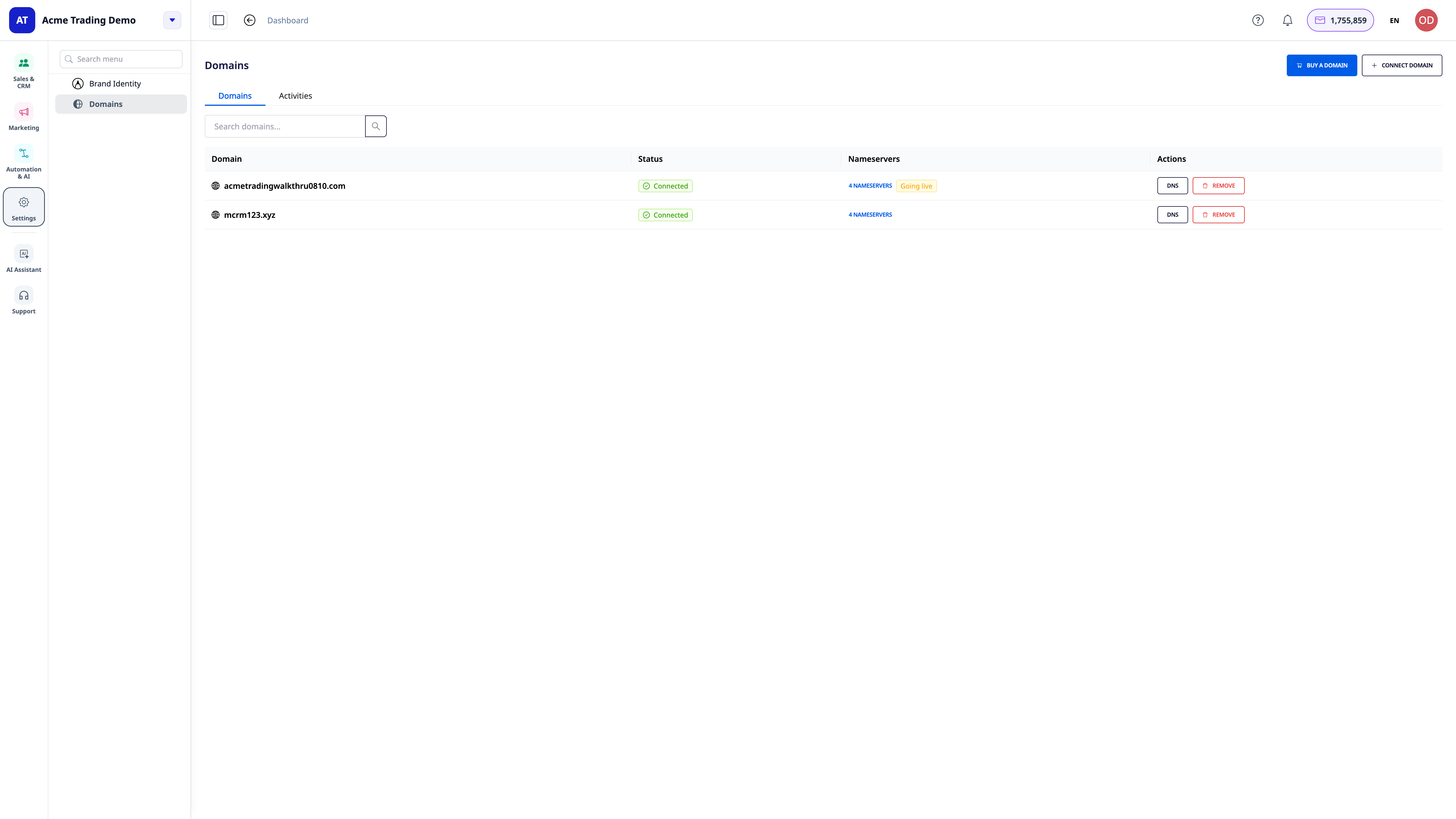
GTG CRM toetab otsest ühendust järgmistega:
Sinvoice
- Saadab tellimuse andmed automaatselt Sinvoice'i pärast müügi lõpetamist
- Väljaandmist seaduse kohane e-arve vastavalt maksuameti regulatsioonidele
- Võtab automaatselt vastu arve numbri ja elektroonilise allkirja
- Sünkroonib arve oleku (välja antud, tühistatud jne)
MISA
- Integreerub MISA e-arve süsteemiga
- Väljaandmist käibemaksuseadusest tulenevad arved, müügiarved otse GTG CRM-ist
- Värskendab automaatselt arve oleku MISA-st süsteemi
- Toetab lihtsat arve otsingut ja võrdlemist
Kasu ettevõttele:
- Säästab aega käsitsi arvete töötlemisel
- Vähendab arve väljastamise vigade hulka
- Tagab e-arvete alaste regulatsioonide järgimise
- Toetab täpset ja läbipaistvat maksude deklareerimist
- Seaduslikke arveid tunnustab maksuamet
- Protsess müügist arve väljastamiseni on täielikult automatiseeritud
Tähtis märkus: GTG CRM on kliendisuhete ja müügihalduse süsteem, mitte maksude deklareerimise tööriist. Automaatne ja täpne arvehaldus koostöös usaldusväärsete e-arve pakkujatega nagu Sinvoice ja MISA annab ettevõttele usaldusväärse ja seadusliku sisendandmestiku hilisemaks raamatupidamiseks ja maksude deklareerimiseks.
Kokkuvõte
Ettevõtte tulumaksu deklareerimisel lubatud ja mitteloetavate kulude teadmine on alus seaduslikuks maksude optimeerimiseks ja riskide vältimiseks. Koos automatiseeritud arvehaldussüsteemiga nagu GTG CRM – integreerituna usaldusväärsete e-arve pakkujatega (Sinvoice, MISA) – saab ettevõte täpse, läbipaistva ja seadusliku andmebaasi raamatupidamis- ja maksutööde tegemiseks.
Muutke loetud teave reaalseks tulemuseks — rakendage kohe GTG CRM-iga tasuta.
Rakenda kohe