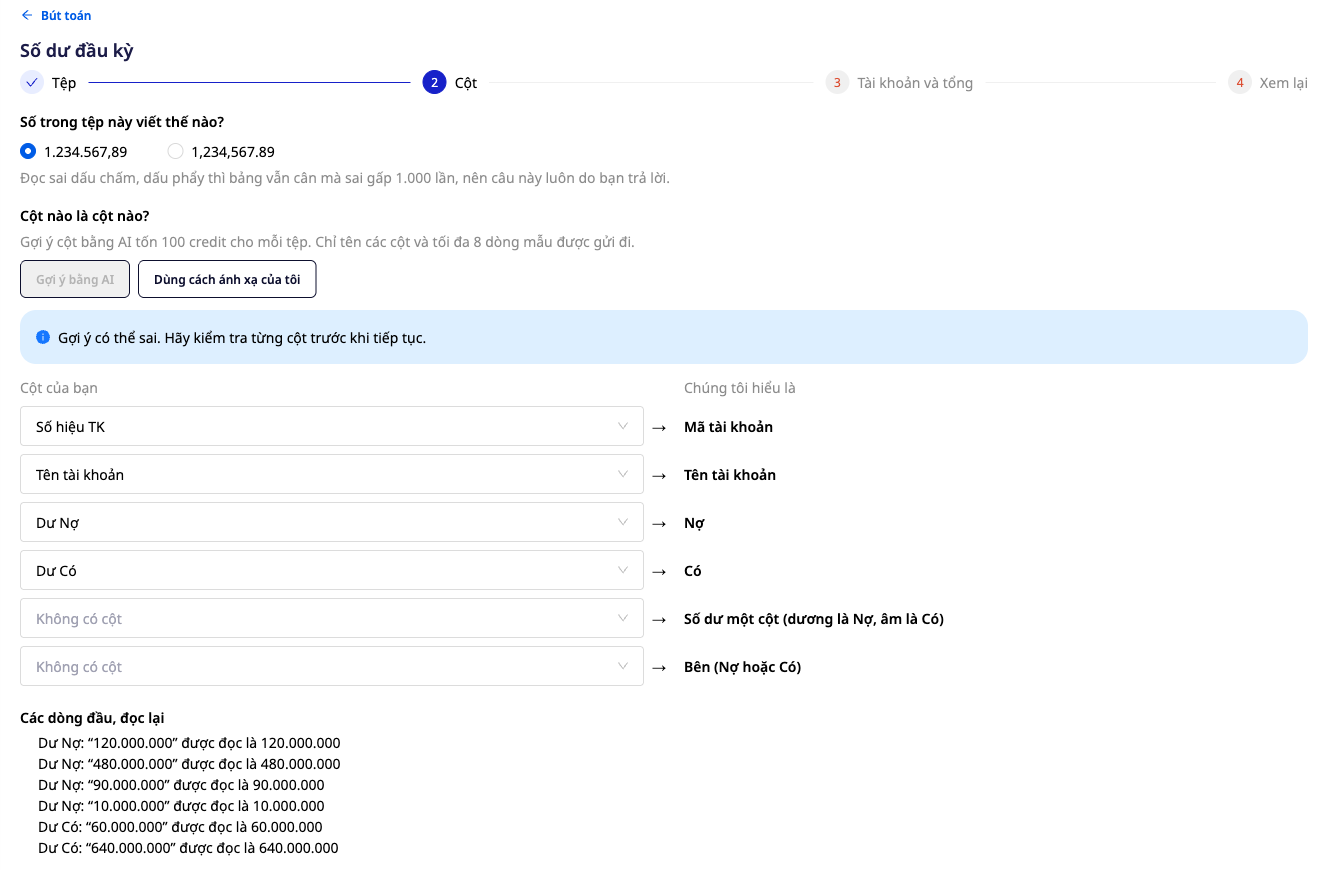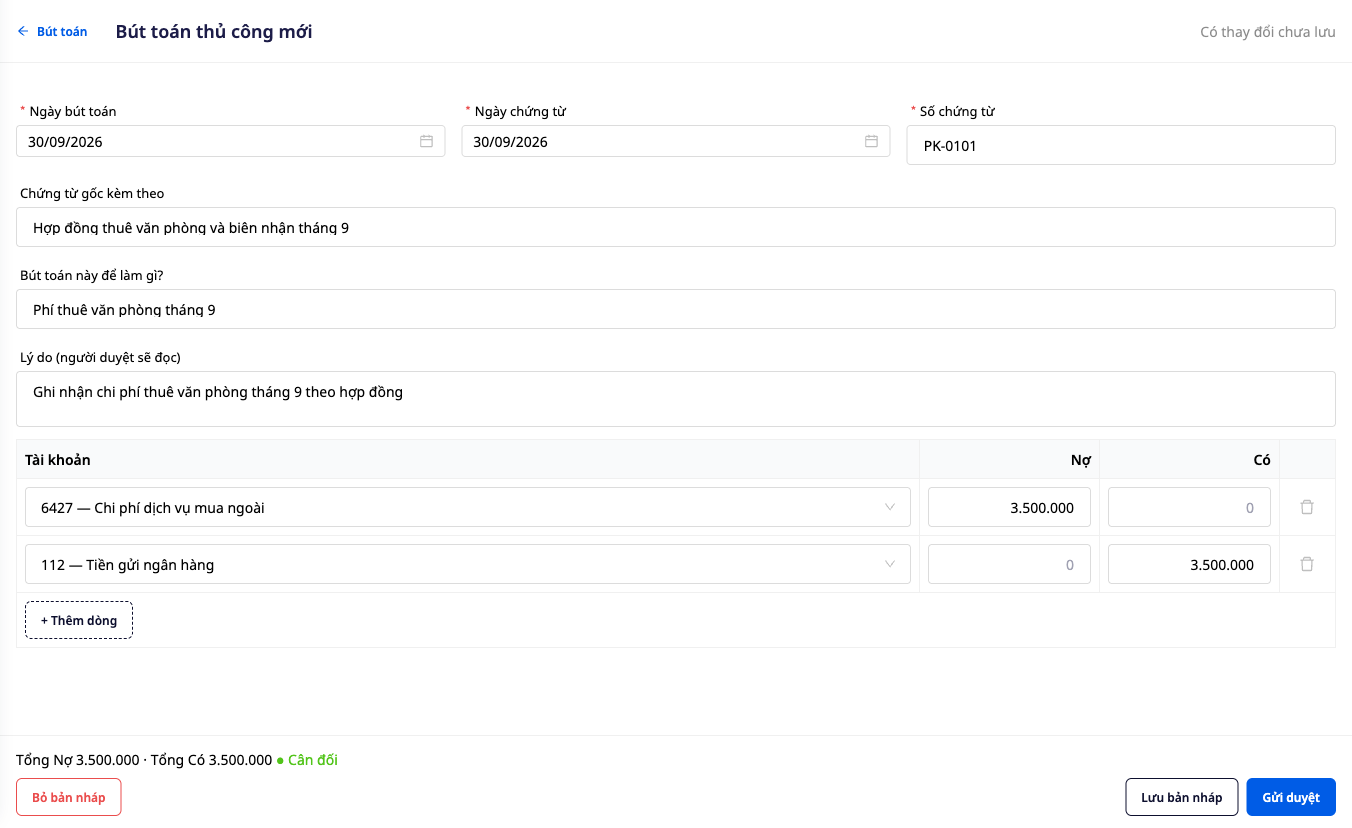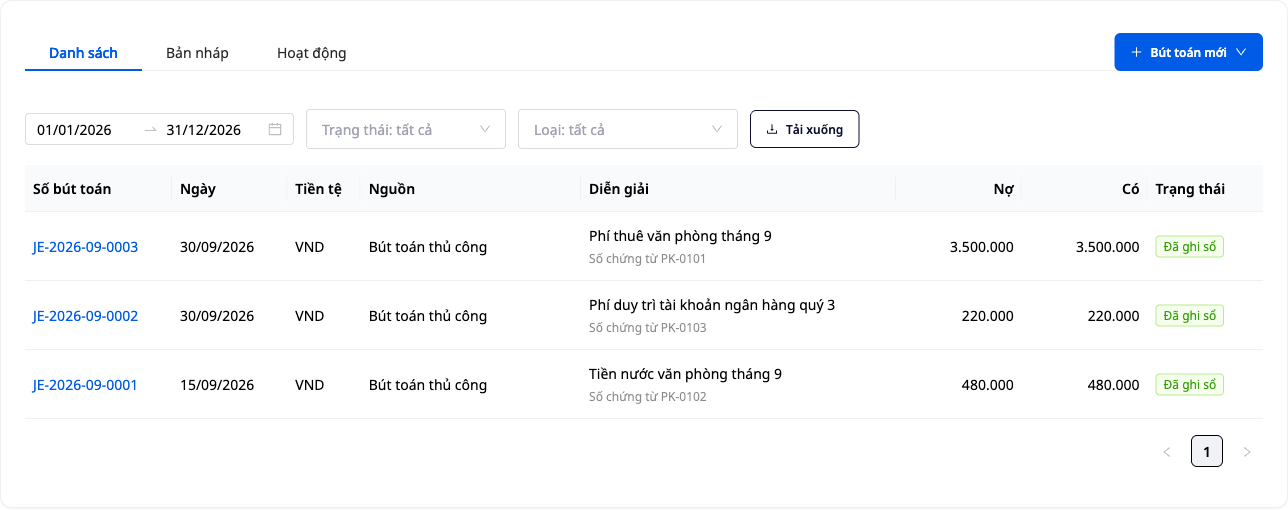
In the context of the booming e-commerce sector in Vietnam, tax management for online businesses is becoming increasingly stringent. On March 9, the Tax Department held a specialized press conference to announce new regulations under Government Decree 68/2026/ND-CP and Ministry of Finance Circular 18/2026/TT-BTC. These are important changes that every business operating on e-commerce platforms needs to understand to comply with legal regulations.
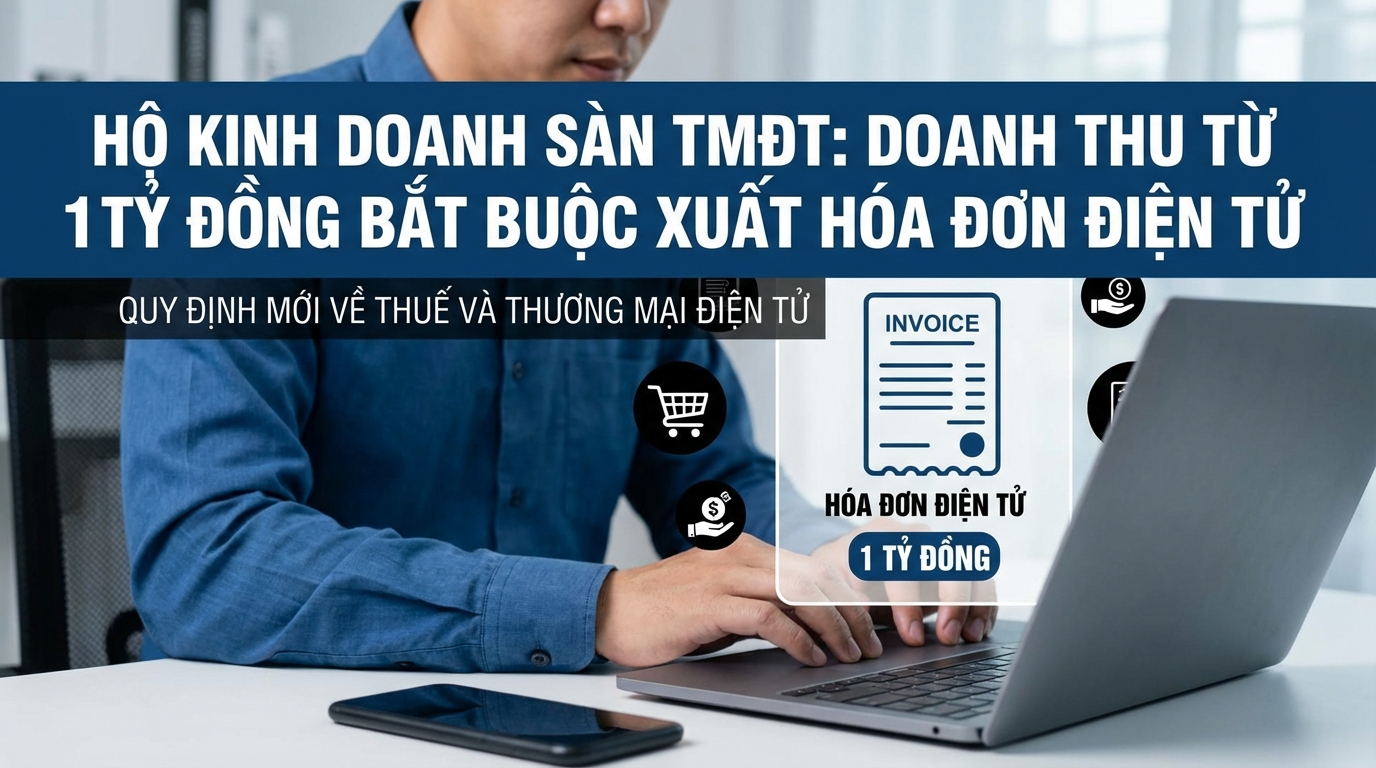
Notably, one of the most significant points is the mandatory issuance of electronic invoices for businesses with an annual revenue of VND 1 billion or more. This marks an important shift towards greater transparency in online business operations and ensures consumer rights.
New Regulations on Revenue Thresholds and Tax Declaration
Decree 68/2026/ND-CP clearly categorizes revenue levels and corresponding tax obligations. For businesses with an annual revenue of less than VND 500 million, they must report their actual revenue and declare taxes using Form 01/TKN-CNKD, submitting it to the tax authorities no later than January 31 of the following year.
Ms. Pham Thi Minh Hien, Deputy Head of International Tax Policy Department at the Tax Department, emphasized a new aspect of this decree: businesses are now required to report their bank account numbers or e-wallet identifiers to the tax authorities. This allows tax management agencies to monitor financial flows more closely.
For businesses with annual revenue between VND 500 million and VND 3 billion, they can choose to apply the personal income tax calculation method based on a percentage of revenue, with quarterly tax declarations and payments. Businesses with revenue exceeding VND 3 billion or those opting to calculate tax based on actual income will face more complex declarations, with provisional tax payments made monthly or quarterly depending on the revenue scale.
Obligation to Issue Electronic Invoices with a Threshold of VND 1 Billion
According to the new regulations, businesses with value-added tax assessable revenue of VND 1 billion or more per year are obliged to adopt electronic invoices. This is a mandatory legal obligation aimed at ensuring transparency in commercial transactions and protecting consumer rights.
For businesses with multiple locations, invoices will be issued using a common tax identification number but must clearly state the address of each business establishment on the invoice. This helps prevent confusion and ensures accuracy in tax declarations.
A special case to note involves businesses that have just started operating or those whose previous year's revenue was below VND 1 billion but whose current year's revenue reaches VND 1 billion or more. These businesses must register to use electronic invoices within 30 days from the last day of the tax period in which their cumulative revenue reaches this threshold.
The tax authorities are also studying special mechanisms for applying invoices to businesses in traditional markets with revenue exceeding VND 1 billion. The goal is to ensure compliance with invoice regulations while remaining consistent with the transaction characteristics of these areas.
Invoice Issuance Authorization Mechanism for E-commerce Platforms
One of the issues of great concern to many online businesses is the authorization of invoice issuance to e-commerce platforms. According to Circular 32/2025/TT-BTC, businesses can fully authorize e-commerce platforms to issue invoices for sales and service transactions conducted on the platform.
Upon authorization, the e-commerce platform is responsible for notifying the tax authorities. The electronic invoice will fully display the information of both parties, including the name, address, and tax identification number of both the seller and the e-commerce platform. In practice, this mechanism has already been implemented on some major platforms when sellers authorize them to issue invoices.
Een vertegenwoordiger van de Belastingdienst bevestigde dat volgens Decreet 70 inzake facturen en documenten, bij de verkoop van goederen of levering van diensten, de verkoper een factuur moet opstellen volgens de wettelijke voorschriften. Daarom is het voor particulieren en huishoudelijke ondernemers die verkopen op e-commerceplatforms met een jaarlijkse omzet van 1 miljard dong of meer, verplicht om facturen op te stellen en uit te reiken.
Momenteel werkt de belastingdienst nauw samen met e-commerceplatforms en de afdeling belastingen voor elektronische handel om het mechanisme voor het delegeren van factuuropstelling breed te implementeren. Het doel is om verkopers maximale faciliteiten te bieden bij het naleven van de voorschriften inzake facturen en documenten bij het zakendoen op e-commerceplatforms.
Toekomstige richting
De regelgevende instantie is bezig met het opstellen van een concept voor wijziging van het decreet inzake facturen en documenten, waaronder bepalingen inzake geconsolideerde facturen en gevallen waarin geen factuur hoeft te worden opgesteld. Dit is bedoeld om praktische knelpunten op te lossen en een juridisch kader te creëren dat beter aansluit bij de specifieke kenmerken van elk type bedrijf.
De aangescherpte belastingheffing en de verplichting tot het uitreiken van elektronische facturen helpen de staat niet alleen om inkomsten efficiënter te beheren, maar creëren ook een transparante en eerlijke zakelijke omgeving voor alle huishoudelijke ondernemers. Consumenten worden ook beter beschermd met volledige facturen en documenten voor elke koop- en verkooptransactie.
Voor huishoudelijke ondernemers op e-commerceplatforms is het begrijpen en naleven van de nieuwe voorschriften niet alleen een wettelijke verplichting, maar ook een manier om geloofwaardigheid op te bouwen en duurzaam te groeien in de steeds heviger concurrentie van e-commerce.
Zet wat u zojuist hebt gelezen om in tastbare resultaten — pas het nu toe met GTG CRM, gratis.
Nu toepassen