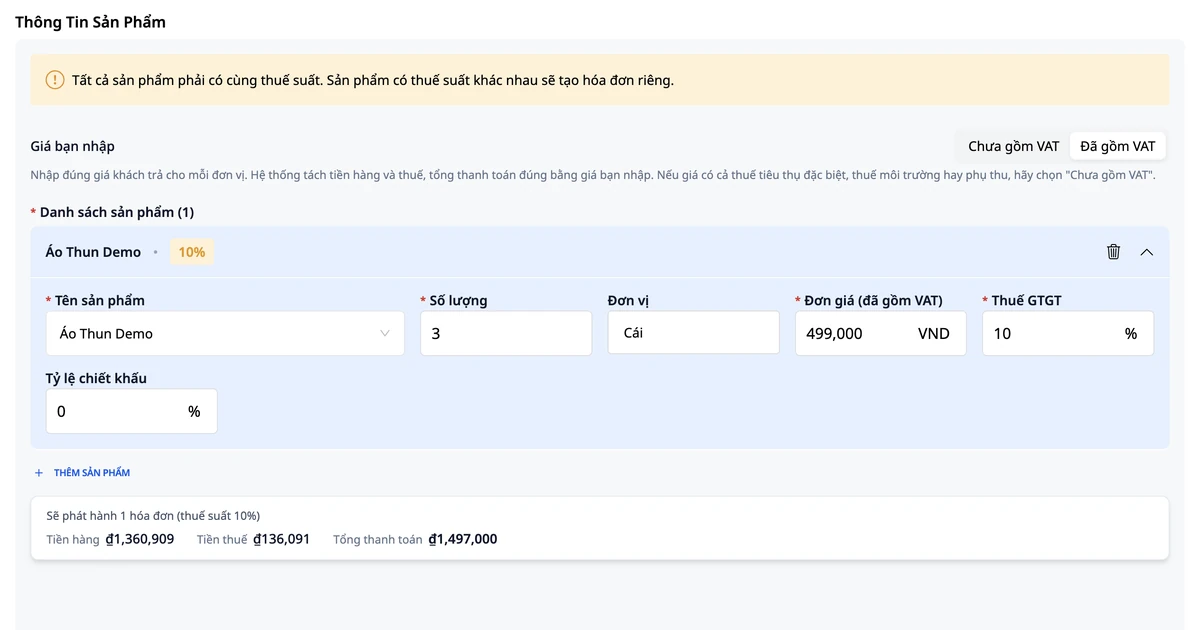
Från och med 2026, enligt beslutet 3389/QĐ-BTC, kommer det schablonbeskattade systemet för handelsverksamhet att avskaffas officiellt. Detta är en revolutionerande förändring i skatteförvaltningen, som särskilt påverkar hur handelsverksamhet i Vietnam deklarerar sina skatter.
En särskilt viktig punkt är att Grupp 2 och Grupp 3 är skyldiga att genomföra årliga skattedeklarationer – ett helt nytt krav jämfört med gällande bestämmelser. Att ha god kännedom om de handlingar och förfaranden som krävs för deklaration enligt varje intjänandegrupp är en förutsättning för att handelsverksamheten ska följa lagen korrekt och undvika skatterisker.
Begrepp som handelsverksamheter behöver förstå
Enligt artikel 79 i Regeringens förordning 01/2021, definieras handelsverksamhet enligt följande:
Officiell definition:
- Subjekt: Individer eller medlemmar av en hushållsregistrering
- Juridiskt ansvar: Ansvarar med obegränsat ansvar för hela sin egendom
VIKTIGT MEDDELANDE: Att ha obegränsat ansvar innebär att all din personliga egendom (oavsett om det är privata bankkonton eller affärskonton) kan användas för att betala handelsverksamhetens skulder.
Läs mer om skattskyldighet vid försäljning på plattformar här
Viktiga juridiska egenskaper:
- ✅ Ingen juridisk personlighet – Du är en individ, inte en juridisk person
- ✅ Begränsning vid etablering – En individ/hushåll får endast etablera en enda handelsverksamhet
- ✅ Begränsningar för medlemmar: Får inte samtidigt vara ägare av ett enskilt företag; får inte vara komplementär i ett komplementitbolag
Klassificering av handelsverksamhet enligt intäkter (Från 2026)
Beslut 3389/QĐ-BTC delar upp handelsverksamhet i 3 grupper baserat på årliga intäkter:
| Grupp | Årliga intäkter | Beskattningsmetod |
|---|---|---|
| Grupp 1 | Under 100 miljoner VND | Deklaration enligt fast skattesats |
| Grupp 2 | Från 100 miljoner till under 500 miljoner VND | Deklaration och obligatorisk årlig skattedeklaration |
| Grupp 3 | Från 500 miljoner VND och uppåt | Deklaration och obligatorisk årlig skattedeklaration |
Dokumentation och förfaranden för deklaration enligt grupp
GRUPP 1: Intäkter under 100 miljoner VND/år
Egenskaper:
- Skattehantering: Fast skattesats enligt bransch
- Årlig skattedeklaration: EJ obligatorisk
- Deklaration: Kvartalsvis eller årligen (valfritt)
Dokumentation som behöver förberedas:
- 📄 Deklarationsformulär för moms och inkomstskatt enligt förenklat formulär
- 📄 Registreringsbevis för handelsverksamhet
- 📄 Dokument som bevisar intäkter (om skattemyndigheten begär det)
Genomförandeförfarande:
- Lämna in deklarationsformulär enligt periodicitet (kvartal/år)
- Betala skatt enligt fast skattesats
- Ingen behov av att upprätta finansiella rapporter
Fördelar: Enkla förfaranden, ingen tidskrävande upprättning av detaljerade rapporter
GRUPP 2: Intäkter från 100-500 miljoner VND/år
Egenskaper:
- Skattehantering: Deklaration enligt faktiska intäkter och kostnader
- Årlig skattedeklaration: OBLIGATORISK (stor förändring från 2026)
- Deklaration: Kvartalsvis
Dokumentation för årlig skattedeklaration (NYTT):
Deklarationsformulär för inkomstskatt (Formulär 02/QTT-TNCN)
Grundläggande bokföring:
- Inkomst- och utgiftsbok
- Register över varor och material (om tillämpligt)
- Register över anläggningstillgångar (om tillämpligt)
Bevisdokument:
- Försäljningsfakturor, tjänster
- Kvitto på giltiga kostnader (inköpsfakturor, hyra, elräkningar etc.)
- Bankhandlingar (kontoutdrag för företagskonto)
NYTT KRAV: Måste ha ett separat bankkonto för affärsverksamhet för att enkelt kunna följa upp och styrka intäkter och kostnader.
Årsslutsavstämning av skatt:
Steg 1: Sammanställning av alla intäkter och kostnader under året
- Samla alla försäljningsfakturor
- Samla alla giltiga kostnadskvitton
Steg 2: Upprätta skatteavstämningsdeklaration
- Fyll i fullständig information om intäkter och kostnader
- Beräkna beskattningsbar inkomst = Intäkter - Giltiga kostnader
- Bestäm skatt att betala enligt progressiv skatteskala
Steg 3: Lämna in skattedeklaration
- Lämna in personligen hos förvaltande skattekontor
- Eller lämna in via elektroniskt system (om digital signatur finns)
- Tidsfrist: Före den 31/03 nästa år
Steg 4: Betala skatt (eller få skatteåterbäring)
- Om underskott: Betala in resterande skatt
- Om överskott: Ansök om återbäring eller överför till nästa period
RÅD: Det är lämpligt att öppna ett separat bankkonto för företaget i början av året för att enkelt kunna följa upp och ha tydliga handlingar vid skatteavstämningen.
GRUPP 3: Intäkter från 500 miljoner VND och uppåt
Egenskaper:
- Skatteförfarande: Deklarera som företag
- Årsslutsavstämning av skatt: OBLIGATORISKT (liknande Grupp 2 men striktare)
- Deklaration: Månatlig
- Bokföring: Rekommenderas att anlita professionell bokförare
Årsslutsavstämning av skatt (DETALJERAT):
Deklaration för inkomstskatt (Mall 02/QTT-TNCN)
Komplett bokföringssystem:
- Huvudbok
- Detaljerad reskontra för intäkter
- Detaljerad reskontra för kostnader
- Lagerhanteringsbok
- Bok för anläggningstillgångar och avskrivningar
Grundläggande finansiella rapporter:
- Resultaträkning
- Balansräkning för verifikationer
Fullständiga bevisdokument:
- Alla ingående/utgående fakturor
- Ekonomiska avtal (om tillämpligt)
- Bankkontoutdrag för företagskonto (OBLIGATORISKT)
- Bankbetalningshandlingar
⚠️ OBLIGATORISKT: Måste ha ett separat bankkonto för affärsverksamhet och prioritera kontantfria betalningar för tydliga handlingar.
Årsslutsavstämning av skatt:
Steg 1: Bokslut per årsskiftet
- Sammanställning av alla affärstransaktioner
- Kontroll av handlingarnas giltighet
- Avstämning mot bankkontoutdrag
Steg 2: Upprätta finansiella rapporter
- Resultaträkning
- Bestäm beskattningsbar vinst
- Justering av ogiltiga kostnader (om tillämpligt)
Steg 3: Upprätta deklaration
- Fullständig deklaration av intäkter och kostnader
- Beräkna inkomstskatt enligt progressiv skala
- Avstämning mot skatt som redan har förbetalts under året
Steg 4: Lämna in handlingar och avstämning
- Lämna in handlingar före 31/03 nästa år
- Betala in ytterligare skatt (om tillämpligt) inom 10 dagar från inlämnandet av deklarationen
- Eller ansök om återbäring av överskjutande skatt
REKOMMENDATION: Grupp 3 bör anlita en professionell bokförare eller använda bokföringsprogramvara för att säkerställa noggrannhet och fullständig efterlevnad av bestämmelserna.
Jämförelse av ändringar före och efter 2026
| Kriterier | Före 2026 | Från och med 2026 |
|---|---|---|
| Skatteförfarande | Skattefastställning + Deklaration | Endast deklaration |
| Avstämning Grupp 1 | Ej obligatoriskt | Ej obligatoriskt |
| Avstämning Grupp 2 | Ej obligatoriskt | OBLIGATORISKT ⚠️ |
| Avstämning Grupp 3 | Ej obligatoriskt | OBLIGATORISKT ⚠️ |
| Bankkonto | Ej krävs | Rekommenderas/Obligatoriskt |
| Bokföring | Ej detaljerad bokföring krävs | Detaljerad bokföring krävs |
Fördelar med korrekt skatteavstämning
- ✅ Laglydnad: Undvik administrativa påföljder för skattebrott (böter från 10-20% av underskottsbeloppet)
- ✅ Finansiell transparens: Enkel hantering av rörelsens intäkter, kostnader och faktiska vinster
- ✅ Laglig skattebesparing: Rimliga kostnader kan dras av, vilket kan minska den skatt som ska betalas jämfört med tidigare fasta skatter (för Grupp 2, 3)
- ✅ Enklare låntagning: Finansiella rapporter hjälper banker/kreditinstitut att bedöma återbetalningsförmågan
- ✅ Grund för tillväxt: Ett tydligt bokföringssystem är grunden för att senare omvandlas till ett företag
Viktiga påminnelser
Om juridiskt ansvar:
- Kom ihåg att du har ett obegränsat ansvar – alla personliga tillgångar kan användas för att betala skatteskulder
- Alla intäkter som kommer in på ett personligt konto eller ett företagskonto anses vara rörelsens intäkter
Om bankkonton:
- Grupp 2, 3 **BÖR** öppna ett separat bankkonto för verksamheten från årets början
- Begränsa kontanttransaktioner, prioritera banköverföringar för att ha tydliga kvitton
- Blanda inte personliga pengar och rörelsepengar
Om kvitton:
- Spara alla fakturor och kvitton för giltiga kostnader (med moms om möjligt)
- Kostnader utan kvitton kan inte dras av vid skatteberäkning
- Spara kvitton i minst 5 år
Om tidsfrister:
- Årlig skatteavstämning: Före **31/03** nästa år
- Betalning av underskottsskatt: Inom **10 dagar** från inlämnandet av deklarationen
- Försenad inlämning debiteras med 0,03%/dag i förseningsavgift
Gör det du just läst till verklighet – implementera det omedelbart med GTG CRM, gratis.
Implementera nu