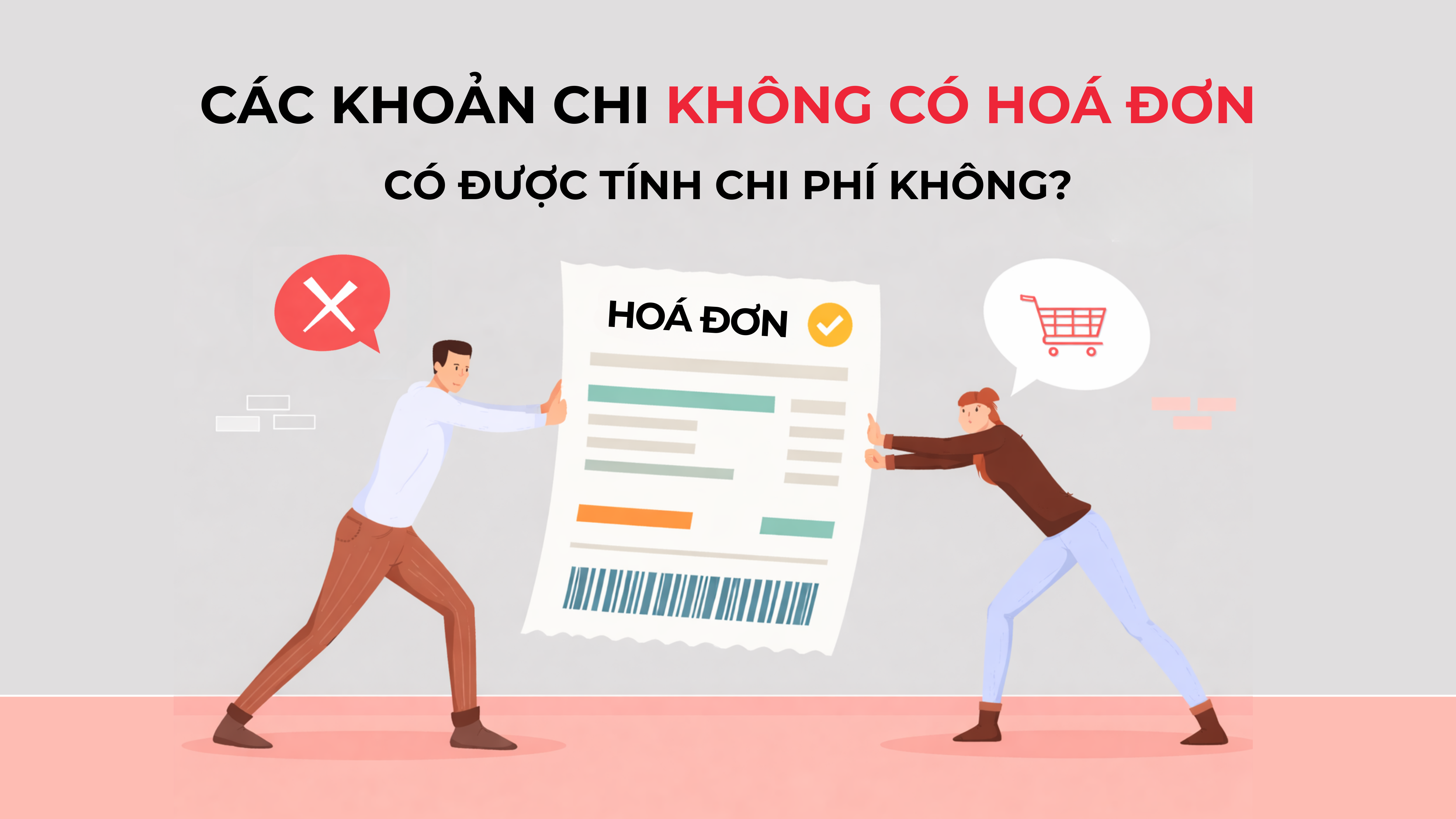
Κατά τη διάρκεια της λειτουργίας, οι επιχειρήσεις συχνά πραγματοποιούν δαπάνες χωρίς τιμολόγια, ειδικά κατά τη συναλλαγή με ιδιώτες. Εάν δεν κατανοήσουν σωστά τη νομική φύση, οι επιχειρήσεις είναι πολύ πιθανό να αποκλειστούν από τις δαπάνες κατά την εκκαθάριση φόρων, οδηγώντας σε αύξηση του οφειλόμενου φόρου εισοδήματος νομικών προσώπων και σε κίνδυνο αναδρομικής επιβολής και κυρώσεων.
Άρα, οι δαπάνες χωρίς τιμολόγιο μπορούν να λογιστούν ως δαπάνες, και σε ποιες περιπτώσεις;
Τι είναι η νόμιμη δαπάνη σύμφωνα με τη φορολογική νομοθεσία;
Νόμιμη δαπάνη (δαπάνη που εκπίπτει) είναι οι δαπάνες που λογίζονται ως δαπάνες κατά τον προσδιορισμό του φορολογητέου εισοδήματος των νομικών προσώπων, εάν πληρούν ταυτόχρονα όλες τις νομικές προϋποθέσεις.
Σύμφωνα με την ισχύουσα νομοθεσία, μια δαπάνη θεωρείται νόμιμη όταν:
- Πραγματοποιείται πραγματικά και σχετίζεται άμεσα με την παραγωγική ή επιχειρηματική δραστηριότητα.
- Διαθέτει όλα τα νόμιμα έγγραφα και αποδεικτικά στοιχεία για κάθε συγκεκριμένη περίπτωση.
- Δεν περιλαμβάνεται στον κατάλογο των δαπανών που απαγορεύονται ή περιορίζονται σύμφωνα με τη φορολογική νομοθεσία.
Σημαντική Σημείωση: Υπάρχουν δαπάνες που δεν απαιτούν τιμολόγιο, αλλά εξακολουθούν να λογίζονται ως νόμιμες δαπάνες εάν τα αντικαταστατικά έγγραφα είναι σύμφωνα με τους κανονισμούς.
Περιπτώσεις δαπανών χωρίς τιμολόγιο που εξακολουθούν να λογίζονται ως δαπάνες
Αγορά αγαθών, υπηρεσιών από ιδιώτες που δεν ασκούν επιχείρηση
Οι επιχειρήσεις επιτρέπεται να μην έχουν τιμολόγιο κατά την αγορά:
- Περιουσιακών στοιχείων από ιδιώτες που δεν ασκούν επιχείρηση.
- Υπηρεσιών από ιδιώτες που δεν είναι εγγεγραμμένοι ως επιχειρηματίες.
- Αγαθών που παράγονται, εξορύσσονται, αλιεύονται από τους πολίτες και πωλούνται απευθείας.
Σε αυτή την περίπτωση, η επιχείρηση πρέπει να συντάξει πίνακα αγορών χωρίς τιμολόγιο (έντυπο 01/TNDN) και να αναλαμβάνει την ευθύνη για την ειλικρίνεια.
Πραγματική Σημείωση: Εάν η τιμή αγοράς που αναγράφεται στον πίνακα είναι υψηλότερη από την τιμή αγοράς της αγοράς, η φορολογική αρχή έχει το δικαίωμα να προσαρμόσει τη δαπάνη σύμφωνα με την τιμή της αγοράς.
Αγορά αγαθών, υπηρεσιών από εμπορικές δραστηριότητες ή ιδιώτες επιχειρηματίες με έσοδα κάτω των 100 εκατομμυρίων VND/έτος
Στην περίπτωση που οι οικείες ή οι ιδιώτες εμπίπτουν στην κατηγορία που δεν απαιτείται έκδοση τιμολογίου, η επιχείρηση μπορεί ακόμα να λογίσει τη δαπάνη εάν:
- Διαθέτει τον πίνακα 01/TNDN.
- Διαθέτει πλήρη έγγραφα πραγματικών συναλλαγών.
- Αποδεικνύει την προέλευση και το περιεχόμενο της δαπάνης.
Σε αυτή την περίπτωση:
- Δεν προκύπτει φόρος εισοδήματος φυσικών προσώπων για τον πωλητή.
- Η επιχείρηση δεν υποχρεούται να πληρώσει χωρίς μετρητά, ακόμη και για συναλλαγές άνω των 20 εκατομμυρίων VND.
Αγορά αγαθών, υπηρεσιών από ιδιώτες ή εμπορικές δραστηριότητες με έσοδα άνω των 100 εκατομμυρίων VND/έτος
Αυτό είναι ένα πολύ σημαντικό νομικό όριο.
Εάν ο πωλητής:
- Είναι ιδιώτης ή εμπορική δραστηριότητα.
- Έχει έσοδα άνω των 100 εκατομμυρίων VND/έτος.
ΥΠΟΧΡΕΩΤΙΚΑ πρέπει να έχει τιμολόγιο.
Σε αυτή την περίπτωση:
- Ο ιδιώτης ή η εμπορική δραστηριότητα πρέπει να μεταβεί στη φορολογική αρχή για να αγοράσει τιμολόγιο.
- Η επιχείρηση δεν επιτρέπεται να χρησιμοποιήσει τον πίνακα 01/TNDN ως αντικατάσταση του τιμολογίου.
Εάν δεν υπάρχει τιμολόγιο, η δαπάνη αποκλείεται εξ ολοκλήρου κατά την εκκαθάριση του φόρου εισοδήματος νομικών προσώπων.
Εργασία εποχικής απασχόλησης, ανάθεση σύντομων εργασιών
Η επιχείρηση μπορεί να λογίσει τη δαπάνη όταν:
- Προσλαμβάνει ιδιώτες για εργασία βάσει εποχικής σύμβασης, ανάθεσης εργασίας.
- Η εργασία είναι βραχυπρόθεσμη, όχι τακτική.
Φορολογικές υποχρεώσεις:
- Η επιχείρηση παρακρατεί 10% φόρο εισοδήματος φυσικών προσώπων πριν από την πληρωμή.
- Αυτός ο παρακρατηθείς φόρος λογίζεται ως νόμιμη δαπάνη.
Μίσθωση περιουσιακών στοιχείων από ιδιώτες (κατοικίες, αυτοκίνητα, αποθήκες...)
Το κόστος μίσθωσης περιουσιακών στοιχείων δεν απαιτεί τιμολόγιο, αλλά σε ορισμένες περιπτώσεις πρέπει να καταβληθεί φόρος αντί του ιδιώτη.
Διάκριση:
- Συμβάσεις κάτω των 100 εκατομμυρίων VND/έτος: δεν προκύπτει φόρος προστιθέμενης αξίας, φόρος εισοδήματος φυσικών προσώπων, τέλος χαρτοσήμου.
- Συμβάσεις άνω των 100 εκατομμυρίων VND/έτος:
- Φόρος προστιθέμενης αξίας: 5%
- Φόρος εισοδήματος φυσικών προσώπων: 5%
Η επιχείρηση μπορεί να καταβάλει εις διπλούν εάν υπάρχει συμφωνία στη σύμβαση.
Πώς υπολογίζονται οι φόροι εισοδήματος νομικών προσώπων και φυσικών προσώπων για δαπάνες χωρίς τιμολόγιο
Κάθε είδος δαπάνης έχει διαφορετικό τρόπο φορολογικής διαχείρισης, δεν μπορεί να εφαρμοστεί ένας κοινός τύπος.
Η αρχή που πρέπει να θυμάστε:
- Το κόστος που εκπίπτει κατά τον υπολογισμό του φόρου εισοδήματος νομικών προσώπων εξαρτάται από το προφίλ και τη φύση της συναλλαγής.
- Ο φόρος εισοδήματος φυσικών προσώπων προκύπτει μόνο όταν το φυσικό πρόσωπο υπόκειται σε φορολογία σύμφωνα με τους κανονισμούς.
Παραδείγματα:
- Αγορά αγαθών από αυτοπαραγωγούς: όχι φόρος εισοδήματος φυσικών προσώπων.
- Ενοικίαση υπηρεσιών από μη επιχειρηματίες: παρακράτηση 10% φόρου εισοδήματος φυσικών προσώπων.
- Ενοικίαση περιουσιακών στοιχείων από φυσικά πρόσωπα με υψηλά έσοδα: 5% φόρος εισοδήματος φυσικών προσώπων + 5% ΦΠΑ.
Λάθη που οδηγούν στην απόρριψη δαπανών χωρίς τιμολόγιο
Στην πραγματικότητα των φορολογικών ελέγχων, τα πιο συνηθισμένα λάθη περιλαμβάνουν:
- Λανθασμένη χρήση του πίνακα 01/TNDN για λάθος αντικείμενα.
- Αδυναμία απόδειξης ότι το φυσικό πρόσωπο δεν ασκεί επιχειρηματική δραστηριότητα.
- Έλλειψη πρωτοκόλλου παράδοσης ή σύμβασης.
- Αναγραφή τιμής αγοράς ασυνήθιστη σε σχέση με την αγορά.
- Μη παρακράτηση φόρου εισοδήματος φυσικών προσώπων σύμφωνα με τους κανονισμούς.
Μόνο ένα μικρό λάθος μπορεί να οδηγήσει στην απόρριψη ολόκληρου του ποσού της δαπάνης.
Διαβάστε περισσότερα: Ποιες Δαπάνες Εκπίπτουν Φορολογικά κατά την Επιχειρηματική Δραστηριότητα;
Συμπέρασμα
Το γεγονός ότι μια δαπάνη δεν έχει τιμολόγιο δεν σημαίνει ότι η δαπάνη αυτή απορρίπτεται αυτόματα κατά τον υπολογισμό του φόρου. Η ισχύουσα φορολογική νομοθεσία επιτρέπει στις επιχειρήσεις να αναγνωρίζουν πολλούς τύπους δαπανών χωρίς τιμολόγιο, υπό την προϋπόθεση ότι η επιχείρηση καθορίζει σωστά τη φύση της συναλλαγής, το αντικείμενο που προκαλεί τη δαπάνη και προετοιμάζει πλήρως τα δικαιολογητικά που αντικαθιστούν τα τιμολόγια σύμφωνα με τους κανονισμούς.
Στην πραγματικότητα, ο κίνδυνος δεν έγκειται στην έλλειψη τιμολογίου, αλλά στην εσφαλμένη εφαρμογή της περίπτωσης, στη χρήση πινάκων για λάθος αντικείμενα, στη μη παρακράτηση φόρου εισοδήματος φυσικών προσώπων όταν είναι απαραίτητο ή στην αδυναμία απόδειξης της πραγματικότητας της συναλλαγής. Σε αυτή την περίπτωση, ακόμη και αν η δαπάνη έχει όντως πραγματοποιηθεί, η επιχείρηση μπορεί να υποστεί απόρριψη της δαπάνης και αναδρομική επιβολή φόρου εισοδήματος νομικών προσώπων.
Επομένως, για να προστατεύσει τα φορολογικά της συμφέροντα, η επιχείρηση πρέπει να κατανοεί σαφώς κάθε ομάδα δαπανών, να κατέχει καλά τις αντίστοιχες νομικές προϋποθέσεις και να οργανώνει την αρχειοθέτηση των δικαιολογητικών πλήρως και με συνέπεια από τη στιγμή της συναλλαγής. Η σωστή δράση από την αρχή όχι μόνο βοηθά στη νόμιμη βελτιστοποίηση των δαπανών, αλλά αποτελεί επίσης μια σημαντική βάση για τη λειτουργία της επιχείρησης με διαφάνεια, ασφάλεια και βιωσιμότητα μακροπρόθεσμα.
Μετατρέψτε αυτά που μόλις διαβάσατε σε πραγματικά αποτελέσματα — εφαρμόστε τα άμεσα με το GTG CRM, δωρεάν.
Εφαρμόστε τώρα