Hvenær er rafrænt reikningsskil lögboðin?
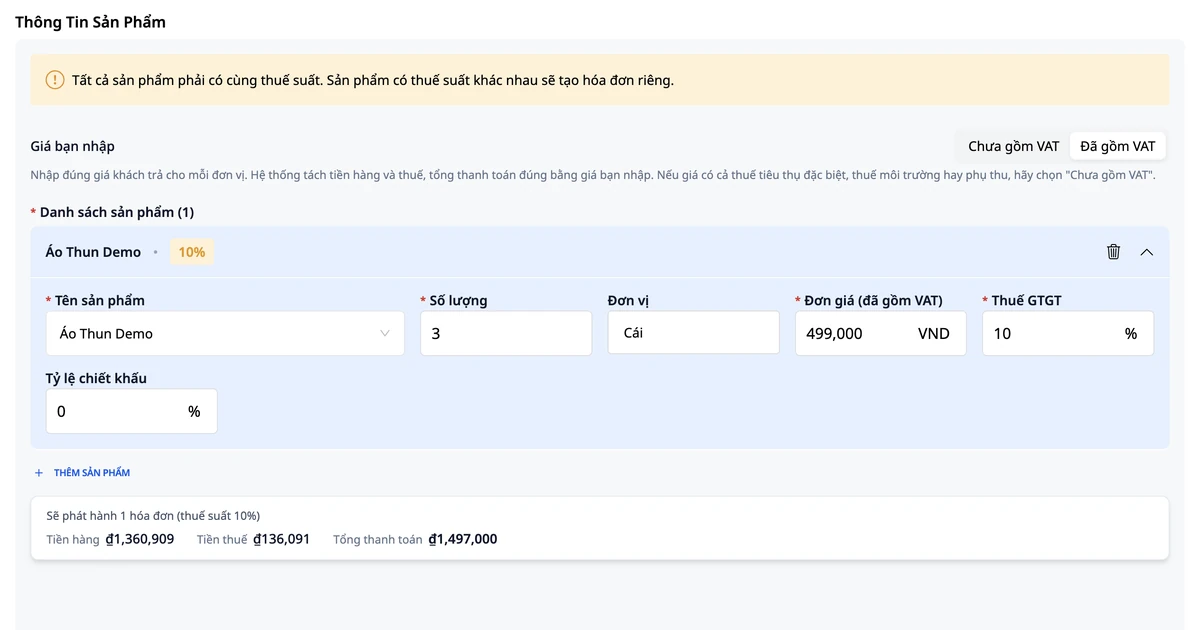
Rafræn reikningur er skyldubundinn skjölun þegar sala á vörum eða veitingu þjónustu á sér stað í samræmi við lög um skatta og reikninga.
Að ákvarða réttan tíma til að gefa út reikning hefur afgerandi þýðingu fyrir lögmæti reikningsins og skattaskuldbindingar sem stofnast.
Tími til að gefa út reikning samkvæmt lögum
Tími til að gefa út reikning fyrir vörusölu
Samkvæmt lið a, grein 6, gr. 1 í reglugerð nr. 70/2025/ND-CP, sem breytir grein 1, gr. 9 í reglugerð nr. 123/2020/ND-CP, er kveðið á um:
Tími til að gefa út reikning fyrir vörusölu er þegar eigenda- eða notkunarréttur vöru er afhentur kaupanda, óháð því hvort greiðsla hefur verið móttekin eða ekki.
Þessi regla gildir fyrir:
- Sölu á almennum vörum
- Sölu og framsal opinberra eigna
- Sölu á birgðavörum ríkisins
Varðandi útflutning á vörum skal seljandi ákvarða tíma til að gefa út reikning en í síðasta lagi á næsta virka degi eftir að tollafgreiðsla hefur farið fram samkvæmt tollalögum.
Tími til að gefa út reikning fyrir þjónustuveitingu
Tími til að gefa út reikning fyrir þjónustuveitingu er þegar þjónustan er fullbúin, óháð því hvort greiðsla hefur verið móttekin eða ekki.
Ef greiðsla er móttekin fyrir eða meðan á þjónustuveitingu stendur, er tími til að gefa út reikning sá tími sem greiðslan er móttekin, að undanskildum eftirfarandi:
- Innborgun
- Forskoti til að tryggja samningsaðild
Þessi regla gildir fyrir sérstaka þjónustu eins og:
- Bókhald og endurskoðun
- Fjármálaráðgjöf, skráningarráðgjöf
- Matsþjónusta
- Tæknileg könnun og hönnun
- Eftirlitsráðgjöf
- Undirbúningur byggingarverkefna
Algengar aðstæður varðandi tíma til að gefa út reikning
Er leyfilegt að gefa út rafræna reikninga með afturvirkum degi?
Nei.
Samkvæmt gildandi lögum er ekki leyfilegt að gefa út rafræna reikninga með afturvirkum degi. Að gefa út reikning á röngum tíma eða vísvitandi seinka dagsetningu er refsiverð brot á reglum um reikninga.
Er leyfilegt að afhenda vörur fyrst og gefa út reikning síðar?
Nei.
Að afhenda vörur fyrst en ekki gefa út reikning við afhendingu eigenda- eða notkunarréttar vöru telst vera að gefa út reikning á röngum tíma og verður refsað samkvæmt reglugerðum.
Refsingar fyrir að gefa út reikning á röngum tíma
Frá og með 1. janúar 2026, fellur reglugerð nr. 310/2025/ND-CP í gildi, sem kveður á um:
Sektir fyrir að gefa út reikning á röngum tíma geta verið allt að 70 milljónir VND, allt eftir:
- Eðli brotsins
- Umfangi brotsins
- Fjölda brota
Að gefa út reikning á réttum tíma er skyldukrafa, ekki valkostur.
Reglur um meðhöndlun rafrænna reikninga með villum
Reikningur gefinn út, með skattyfirvaldaauðkenni en ekki sendur til kaupanda, uppgötvast villa
Seljandi skal:
- Útbúa nýjan rafrænan reikning sem kemur í staðinn
- Skrifa greinilega: "Kemur í stað reiknings á eyðublaði... Merki... Númer... Dagsetning... mánuður... ár..."
- Senda staðgengil reikning til kaupanda
- Sendu gögn staðgengils reiknings til skattyfirvalda á sama tíma
Reikningur sendur til kaupanda, uppgötvast villa
a. Rangt nafn, rangur heimilisfang kaupanda (ekki rangt skattyfirvaldaauðkenni)
Seljandi skal:
- Tilkynt kaupanda
- Þarf ekki að gefa út nýjan reikning
- Sendu tilkynningu til skattyfirvalda samkvæmt eyðublaði 04/SS-HĐĐT
b. Rangt skattyfirvaldaauðkenni, rangt upphæð, skatthlutfall, skatt eða vörur sem ekki eru í samræmi við forskriftir eða gæði
Seljandi og kaupandi (ef um stofnun er að ræða) skulu:
- Útbúa skriflega samning sem lýsir innihaldi villunnar
Veldu síðan **eitt af tveimur formum**:
Aðlögunareikningur: Gildir þegar þarf að aðlaga hluta af innihaldinu.
- Tilkynnt skal: "Aðlögun fyrir reikning Gerðarnúmer… Einkennis… Númer… Dagsetning… mánuður… ár…"
- Tilkynna skal um aukningu eða lækkun
Skiptireikningur: Notaður þegar þarf að skipta um allan upphaflegan reikning.
- Tilkynnt skal: "Skiptir um reikning Gerðarnúmer… Einkennis… Númer… Dagsetning… mánuður… ár…"
Eftir útgáfu:
- Seljandi undirritar með stafrænu innsigli
- Senda reikning til kaupanda
- Senda gögn reiknings aðlögunar eða skipta til skattyfirvalda
Lesa meira: Yfirlit yfir skiptireikninga og aðlögunarreikninga
Nokkur sérstök tilvik meðhöndlun
Afslættir, kynningar, breytingar á virði verks: Útgefa nýjan reikning á yfirstandandi tímabili, tilgreina mun á aukningu eða lækkun.
Vörur skilað, afsláttur eftir útgáfu reiknings: Aðeins útgáfa aðlögunarreiknings, ekki skiptireiknings.
Mörgum röngum reikningum fyrir sama kaupanda í sama mánuði: Má útgáfa einn aðlögunarreikning eða einn skiptireikning, ásamt sundurliðuðum lista yfir upprunalegu reikningana.
Tilvik þar sem skyldubundin athugasemd vantar á aðlögunarreikning eða skiptireikning
- Reikningur skilgreindur sem ógildur
- Þarf að meðhöndla aftur samkvæmt upphaflegri mynd
Tilvik þar sem aðlögunarreikningur eða skiptireikningur er enn rangur
Skiptireikningur er meðhöndlaður í keðju: F0 → F1 → F2 → … → Fn
Aðlögunarreikningur er meðhöndlaður samkvæmt meginreglu samfelldrar uppsafns: F0 + F1 + F2 + … + Fn
Mikilvægar athugasemdir
Frá og með 01. júní 2025:
- Ekki verður lengur hægt að afskrá rafræna reikninga sem hafa verið gefnir út
- Allar villur verða að vera meðhöndlaðar með aðlögunarreikningi eða skiptireikningi
Niðurstaða
Fyrir nýja seljendur er nauðsynlegt að skilja:
- Hvenær skal gefa út reikning
- Að gefa út á réttum tíma
- Að meðhöndla villur rétt
er nauðsynlegt skilyrði til að fara eftir lögum, forðast refsivöxt og tryggja gagnsæja og sjálfbæra starfsemi.
Breyttu því sem þú hefur lesið í raunverulegan árangur — notaðu GTG CRM strax, ókeypis.
Notaðu strax