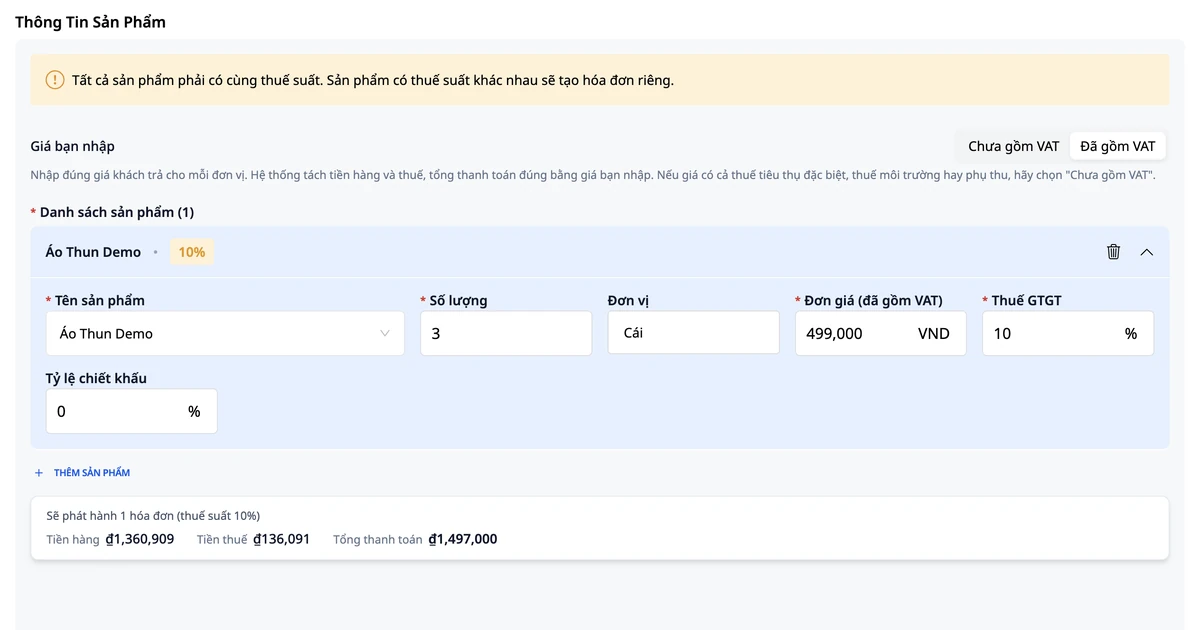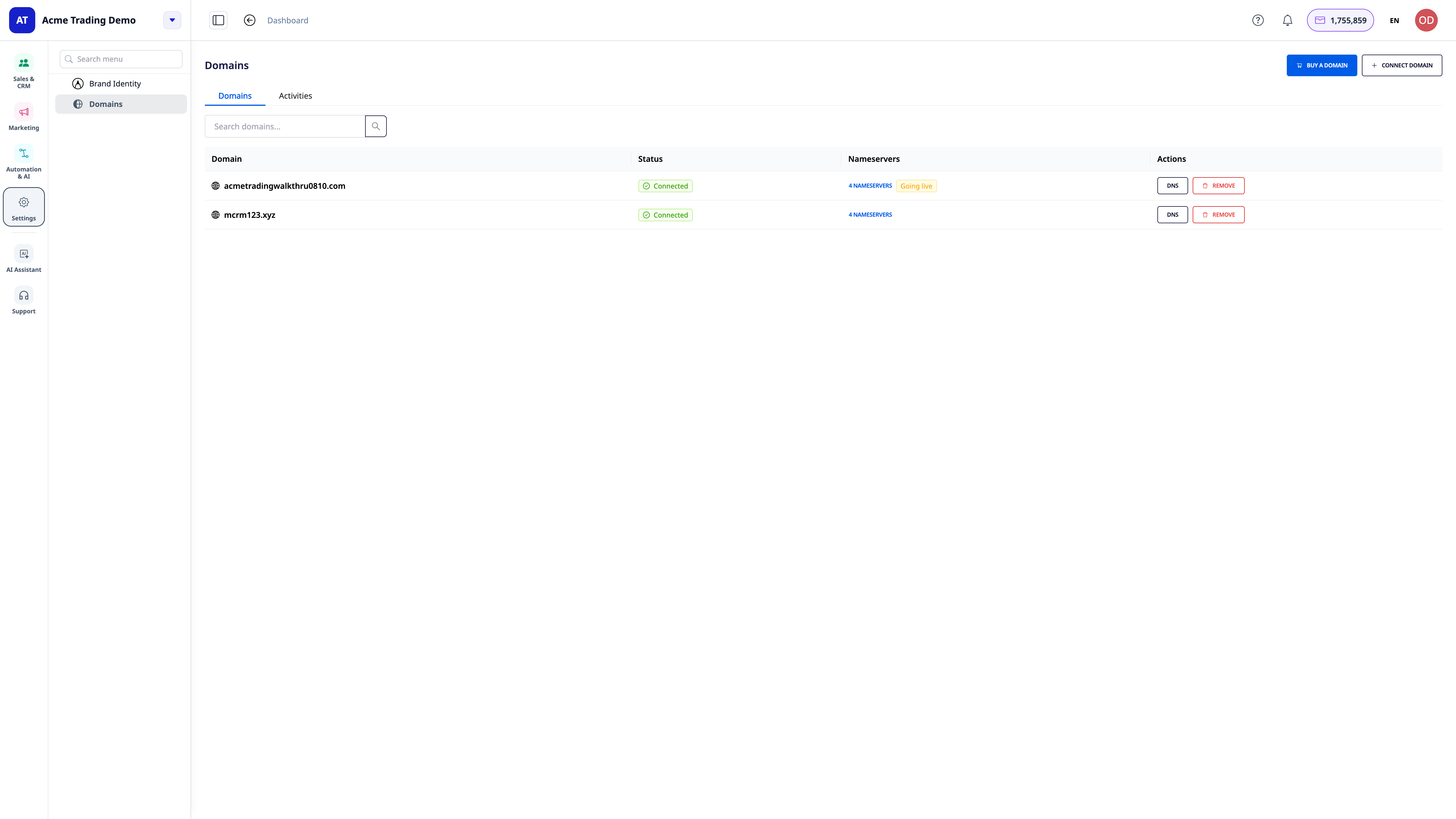
Koostöös e-kaubanduse plahvatusliku kasvuga on küsimus "kas e-platvormidel saadud tulu tuleb deklareerida" muutunud kümnete tuhandete üksikisikute ja majapidamiste jaoks oluliseks mureks, kes müüvad veebis. Tegelikult segadust tekitab sageli "platvormil müümise" ja "deklaratsioonivaba" mõiste, mis viib maksukohustuse ja trahvide riskini, kui maksuamet andmeid kontrollib.
See artikkel selgitab e-platvormidel saadud tulu maksukohustuse olemust, uusi poliitikamuudatusi aastatel 2025-2026 ja seda, kuidas müüjad peavad valmistuma, et mitte olla passiivsed.
Kui müüte oma kaupu Shopee, Lazada, TikTok Shop või muudel e-platvormidel, sõltub probleem kolmest otsustavast tegurist:
- Kelleks te müüja olete (füüsiline isik, majapidamine, ettevõte)?
- Müüb teie platvorm maksefunktsiooniga või ilma?
- Millal rakendub muudatus: enne või pärast 01.07.2025?
Kas e-platvormidel müüjad peavad tulu deklareerima ja makse tasuma?
Põhimõtteliselt tekkib maksukohustus iga äritegevuse korral, olenemata müügivormist. E-platvormidel saadud tulu ei ole "virtuaalne tulu", vaid tegelik tulu, mis on tekkinud kaupade müügist või teenuste osutamisest.
Seega, kui müüjal on e-platvormil müügist tulu, peab ta põhimõtteliselt deklareerima selle ja arvutama sellelt maksu vastavalt eeskirjadele.
Põhimõte: Platvormil müümine EI tähenda maksude deklareerimisest vabanemist
Seadus ei tee vahet:
- Veebimüügi või füüsilise müügi vahel
- Platvormi kaudu müümise või otsese müügi vahel
- COD makse või e-rahakoti vastuvõtmise vahel
Erinevus seisneb ainult kogumisviisis, deklareerimisviisis ja andmete kontrollimise viisis.
Lugege lisaks: Juhend Majapidamise Registreerimiseks: Protsess, Dokumendid ja Mida Peate Teadma
Suur muudatus alates 2025. aasta keskpaigast: e-platvormid teostavad eelarvestamist ja maksude tasumist
Alates 01.07.2025 rakenduvate uute eeskirjade kohaselt teostavad Vietnami maksefunktsiooniga e-platvormid eelarvestamist ja maksude tasumist oma platvormil müüvate füüsiliste isikute ja majapidamiste eest.
Siiski peavad müüjad siiski:
- Esitama platvormile täielikud identifitseerimisandmed
- Jälgima eelarvestatud tulu
- Deklareerima muud maksukohustused, kui neid tekib
- Säilitama andmeid kontrollimiseks ja selgituste andmiseks
Platvormide puhul, millel puudub maksefunktsioon, jääb deklareerimise ja maksude tasumise kohustus müüjale.
Lugege lisaks: Aastal 2026, Kas Majapidamised Deklareerivad Makse Kuu või Kvartali Kaupa?
Kuidas arvutatakse e-platvormidel saadud tulu deklareerimiseks?
Maksuseaduse kohaselt on maksustatav tulu brutosissetulek, st kaupade ja teenuste kogu väärtus, mille müüja tehingu tulemusena saab.
Maksudeeskirjade kohaselt:
- Tulu = tellimusel näidatud kogu müügihind
MITTE:
- Saadud raha kontole
- Tulu pärast platvormitasude mahaarvamist
- Tulu pärast kauba tagastuste mahaarvamist
Näiteks:
- Tellimuse väärtus 1 000 000 VND
- Platvormitasu 100 000 VND
- Saadud summa on 900 000 VND
→ Maksustatav tulu on endiselt 1 000 000 VND
E-platvormidel saadud tulu on tihedalt seotud e-arvetega
Müüjad peavad tegema selget vahet:
- Juhtudel, kus platvorm genereerib arveid teie eest
- Juhtudel, kus müüja peab ise arved väljastama
- Kuidas toimida kauba tagastamisel, raha tagastamisel, tulu korrigeerimisel
Loe lisaks: Kokkuvõte asendusarvetest ja parandusarvetest
Praktiline lahendus: mitte õigusaktide õppimine, vaid õige süsteemi haldamine
Mitmekanaliliste, mitme platvormi müügi korral:
- Käsitsi kirjutamine → kindlasti ebatäpsus
- Eraldiseisvad Exceli failid → ei saa ühtlustada
- Kui teilt küsitakse → ei saa tõendada
Integreeeritud haldusplatvormid nagu GTG CRM lahendavad täpselt selle kitsaskoha:
- Sünkroniseerib tooteid Shopee, Tiktok Shop, Lazada
- Kogub kõik tellimused platvormidelt, veebisaitidelt, offline
- Seob tulu ↔ arved ↔ lao ↔ raamatupidamise
- Väljaandmine e-arveid läbi MISA, S-Invoice
- Automaatne asendusarvete loomine kauba tagastamisel
- Jälgi andmeid, et vajadusel selgitada
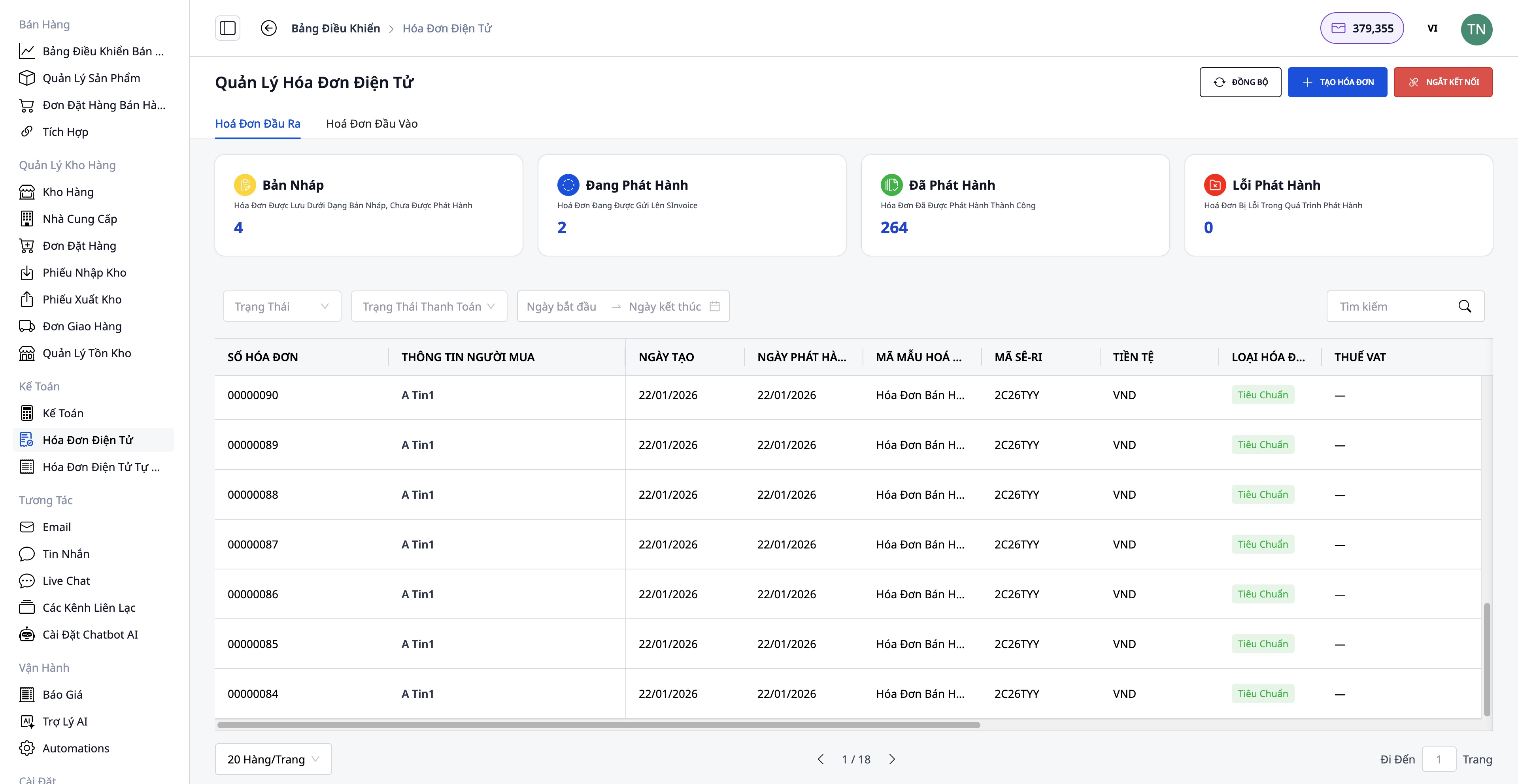
GTG CRM väljastab automaatselt arveid MISA, S-Invoice kaudu
Järeldus
E-kaubanduse platvormidel olev tulu kuulub kindlasti maksude haldamise alla. Praegune erinevus ei seisne küsimuses "kas deklareerida või mitte", vaid selles, kes deklareerib, kuidas deklareerib ja kuidas andmeid ühtlustatakse.
Kontekstis, kus e-kaubanduse platvormid, pangad ja maksuamet on tihedalt andmetega ühendatud, ei ole tulude ja maksukohustuste kontrollimata veebimüük enam potentsiaalne risk, vaid reaalne risk.
Müüjad, kes soovivad pikaajaliselt tegutseda, vajavad:
- Platvormi tulu olemuse õiget mõistmist
- Poliitikamuudatuste tähelepanelikku jälgimist
- Ja õige haldussüsteemi investeerimist algusest peale
Muuda just loetu praktiliseks tulemuseks — rakenda kohe koos GTG CRM-iga, tasuta.
Rakenda kohe