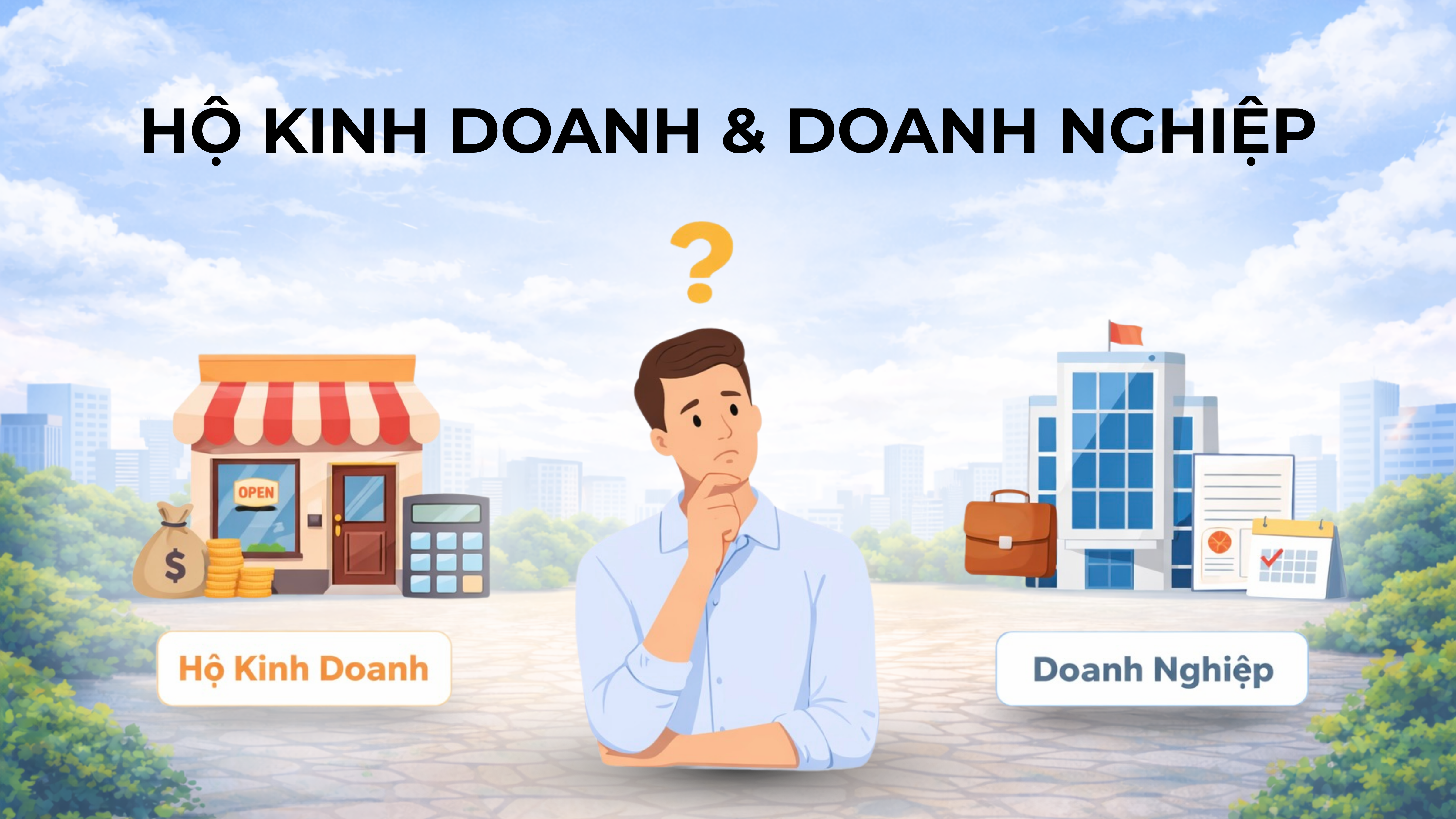
Äris tegema hakates on õigusliku vormi valik otsus, mis mõjutab otseselt ettevõtte toimimist, maksukohustusi, õiguslikke riske ja tulevast laienemisvõimalust. Tegelikuses seisab enamik väikeseid ja keskmise suurusega müüjaid kahe kõige levinuma valiku vahel: üksikettevõtja (hộ kinh doanh) ja äriühing (doanh nghiệp).
Mõlemad vormid on seaduslikud ja Vietnami õigusega tunnustatud, kuid nende olemus on sügavalt erinev, mitte lihtsalt "suur või väike". Nende erinevuste õige mõistmine aitab ettevõtjal alguses õiget valikut teha, vältides kiirustades ümberkujundamist või tasumast seda kalli hinna ja õiguslike riskidega.
Kuidas üksikettevõtja ja äriühing erinevad?
Mis on üksikettevõtja (Hộ kinh doanh)?
Üksikettevõtja on ettevõtlusvorm, mille registreerib ja asutab üksikisik või pereliikmed ning kes vastutab oma ettevõtluse eest kogu oma varaga. Kui osaleb mitu liiget, tuleb üks neist volitada üksikettevõtja juhiks.
Lihtsamalt öeldes on üksikettevõtja ärijuhtum, mis on tihedalt seotud üksikisikuga, kus ettevõtlusvara ja üksikettevõtja enda isiklik vara ei ole lahus. Seetõttu valitakse see vorm sageli väikese jaekauplemise alustamisel.
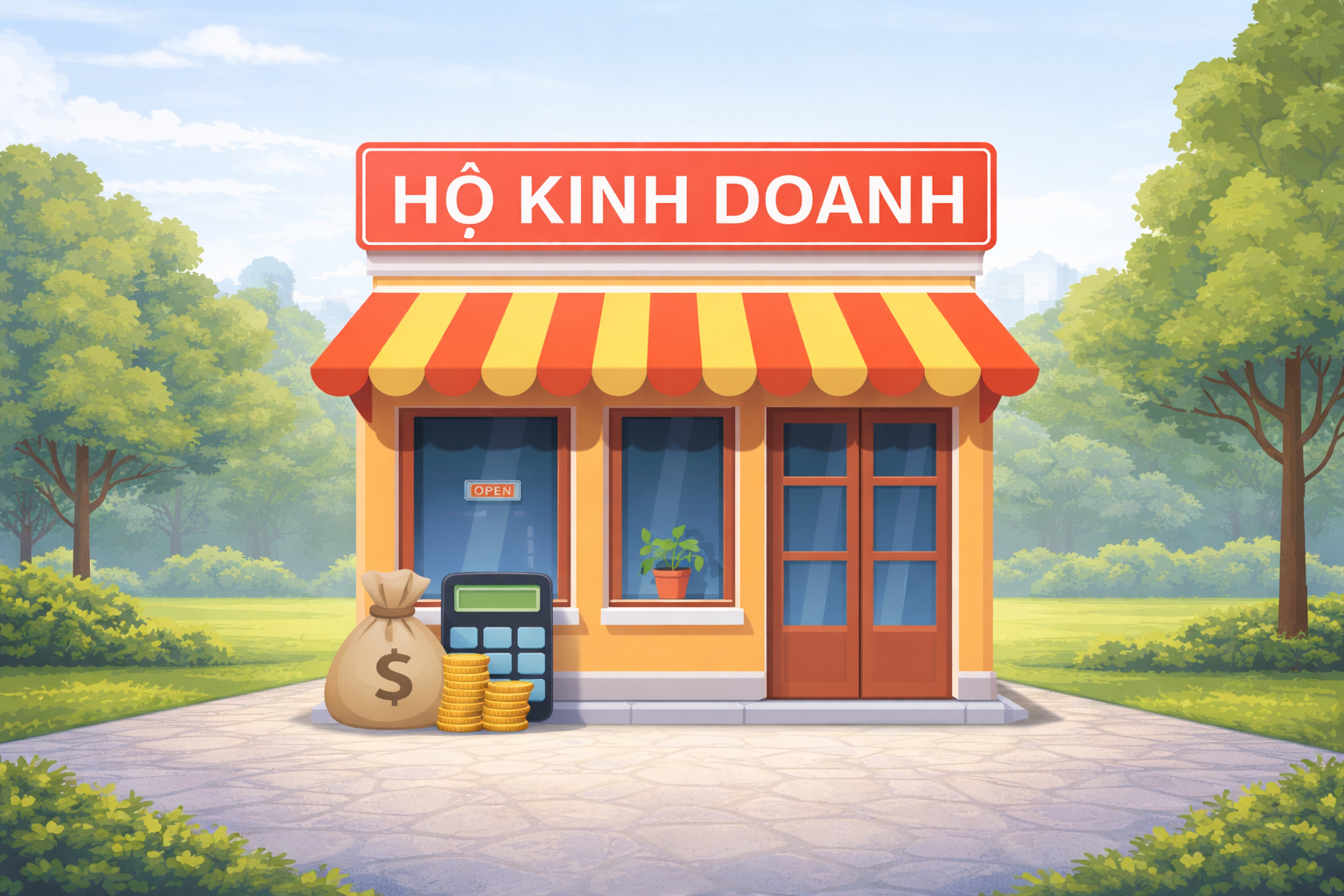
Üksikettevõtja on üksikisikuga tihedalt seotud ärivorm.
Mis on äriühing (Doanh nghiệp)?
Äriühing on juriidiline isik, millel on oma nimi, vara, tegevuskoht ja mis on registreeritud seadusandluse kohaselt äritegevuse eesmärgil.
Äriühing on kapitali sissemakset teinud üksikisikutest sõltumatu. Olenevalt tüübist vastutavad omanikud või liikmed ainult oma sissemakstud kapitali ulatuses, välja arvatud mõnel erijuhul, näiteks täisühingu puhul.
Äriühingu põhiolemus seisneb juriidilises lahutatuses üksikisiku ja äritegevuse vahel.

Olenevalt tüübist vastutavad omanikud või liikmed ainult sissemakstud kapitali ulatuses.
Üksikettevõtja ja äriühingu võrdlus peamiste kriteeriumide alusel
Et seda oleks lihtsam mõista, võtab allolev tabel kokku kõige olulisemad erinevused, keskendudes punktidele, mis mõjutavad ettevõtjat tegelikkuses otseselt.
| Võrdluskriteerium | Üksikettevõtja (Hộ kinh doanh) | Äriühing (Doanh nghiệp) |
|---|---|---|
| Nime all tegutsev isik | Üksikisik, pereliikmete grupp | Üksikisik või organisatsioon, võib olla mitu osanikku |
| Juriidiline staatus | Ei moodusta iseseisvat juriidilist isikut | On juriidiline isik (v.a omaniku äriühing) |
| Tegevuspiirkond | Tavaliselt seotud kindla tegevuskohaga | Võib paindlikult laieneda filiaalide, kontorite, tegevuskohtade kaudu |
| Finantsvastutus | Üksikettevõtja juht vastutab kogu isikliku varaga | Vastutus piirdub sissemakstud kapitali ulatuses |
| Raamatupidamine ja arved | Lihtne raamatupidamine, tavaliselt rakendatakse kindlat maksumäära või otsest maksu | Tuleb rakendada täielikku raamatupidamissüsteemi, elektroonilisi arveid, finantsaruandeid |
| Maksukohustused | Liikmemaks, käibemaks, tulumaks (olenevalt tüübist) | Liikmemaks, käibemaks, ettevõtte tulumaks, tulumaks, perioodilised aruanded |
| Kapitali kaasamise võime | Piiratud, peamiselt üksikisikutelt või peredelt | Lihtne kaasata kapitali, võimalik kaasata investeeringuid, emiteerida aktsiaid või laenata krediidiasutustelt |
| Asutamis- ja likvideerimismenetlused | Lihtsad | Keerulisemad, nõuavad likvideerimisel maksuraportite ja arveldamist |
Tabelist on näha, et suurim erinevus ei seisne "palju või vähe maksu maksmises", vaid õiguslikus vastutuses ja laienemisvõimaluses.
Loe lisaks: Kõik elektrooniliste arvete kohta: millal neid väljastada, kuidas parandada vigu
Millal peaks valima üksikettevõtja?
Üksikettevõtja on sobiv algetapis, kui tegevus on väike, riskide ulatus on madal ja ettevõtja soovib menetlusi lihtsustada. Seda vormi valitakse tavaliselt siis, kui puudub vajadus kaasata kapitali, laiendada tegevust või ehitada juriidilist kaubamärki.
Kuid just piiramatu vastutus on ka põhjus, miks paljud satuvad riskidesse, kui müük kiiresti kasvab, eriti veebimüügi, e-kaubanduse või kaebusi ja vaidlusi tekitavate teenuste valdkonnas.
Loe lisaks: Juhend üksikettevõtja registreerimiseks: protsess, dokumendid ja mida peate teadma
Millal on äriühing parem valik?
Äriühing on sobiv valik, kui ettevõtjal on pikaajaline visioon, soov laiendada tegevust, ehitada kaubamärki ja vähendada isiklikke õiguslikke riske. See on ka vajalik vorm, kui tegevus toimub ranget õiguslikku regulatsiooni nõudvates valdkondades, tehakse koostööd suurte partneritega või osaletakse ametlikus tarneahelas.
Tegelikult on palju juhtumeid, kus alustatakse üksikettevõtjana, kuid seejärel muudetakse äriühinguks, kui saavutatakse teatud müügi-, personali- või riskimäär.
Praktiline vaatenurk veebimüüjatele
Tegelikult alustavad paljud üksikettevõtjatena, et turgu proovida, ja seejärel muudavad äriühinguks, kui müük ja riskid suurenevad. See on täiesti mõistlik tee, kui raamatupidamine, arved ja äriandmed on varakult ette valmistatud.
Õige vormi valimine algusest peale mitte ainult ei säästa kulusid, vaid väldib ka hilisemaid keerulisi õiguslikke probleeme, eriti kuna maksuekspertide järelevalve põhineb üha enam andmetel ja raha liikumisel.
Loe lisaks: Kas veebimüük ilma arve väljastamiseta on probleem?
Järeldus
Ükski vorm ei ole "absoluutselt parim" igaks juhuks. Üksikettevõtjad ja äriühingud on loodud ettevõtlusprotsessi erinevate etappide ja eesmärkide teenindamiseks.
Kui valida algusest peale õigesti, saab ettevõtja optimeerida kulusid, hallata tõhusalt ja piirata õiguslikke riske. Vastupidi, kui valida tegevusele sobimatu vorm, on hilisemad muutmiskulud ja tekkinud riskid tavaliselt palju suuremad kui algsed asutamiskulud.
Seetõttu peaks ettevõtja enne registreerimist hoolikalt hindama ettevõtte suurust, arengusuunda, juhtimisvõimekust ja riskiisu, et valida endale kõige sobivam vorm.
Muutke loetu praktiliseks tulemuseks — rakendage kohe GTG CRM-iga, tasuta.
Rakenda kohe