И така, как да станем "отлични рекламодатели" в очите на Google?
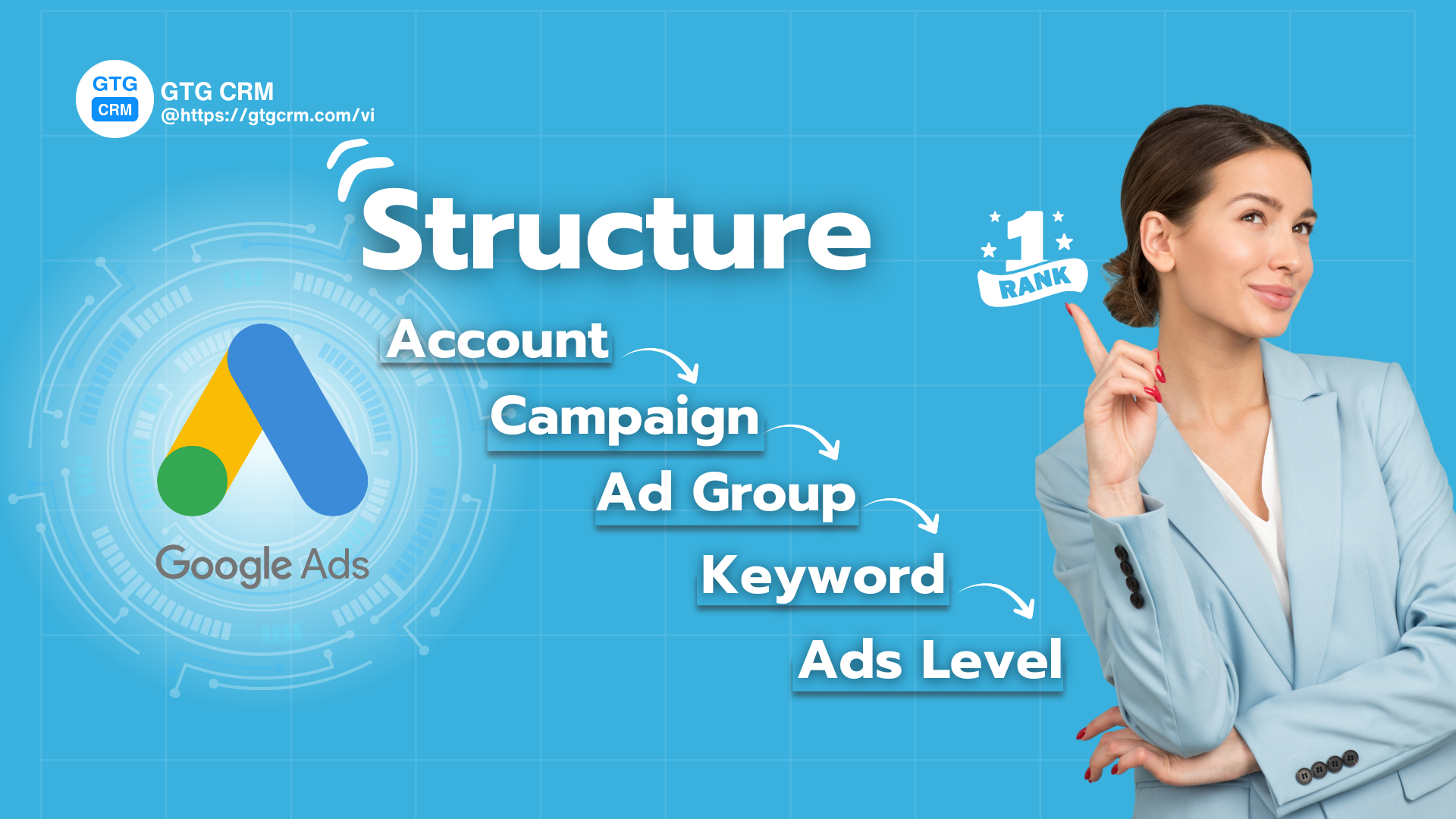
Структура на стандартна Google Ads кампания - GTG CRM
Това означава, че трябва да създадете безпроблемно изживяване от момента, в който потребителят търси, докато не влезе във вашия уебсайт. Всичко трябва да се "пасва" перфектно:
- Ключовите думи трябва точно да отразяват намерението за търсене на потребителя.
- Вашата реклама трябва да съдържа тези ключови думи и да предлага атрактивно решение.
- Целевата страница трябва да бъде идеалната дестинация, където потребителите намират точно това, което търсят, със светкавична скорост на зареждане.
Когато тези три елемента се комбинират, вашият показател за качество ще нарасне, а Google ще ви "награди", като приоритизира показването на вашите реклами с най-ниска цена. Накратко, не гонете бюджета, а се съсредоточете върху релевантността и потребителското изживяване - това е пътят към устойчива печалба.
Нека заедно с GTG CRM да открием как да изградим здрава "къща на Google Ads", етаж по етаж.
Етаж 1: Акаунт (Account Level) - Основата за успех
Google Ads акаунтът е мястото, където се съхраняват всички ваши рекламни кампании. От самото начало трябва ясно да определите:
- Бизнес цели: Защо пускате реклами? Увеличаване на продажбите, събиране на потенциални клиенти или повишаване на разпознаваемостта на марката?
- Логическа организация: Всеки акаунт трябва да е посветен на една марка или един бизнес. Това ви помага лесно да следите ефективността и да анализирате данни, без объркване.
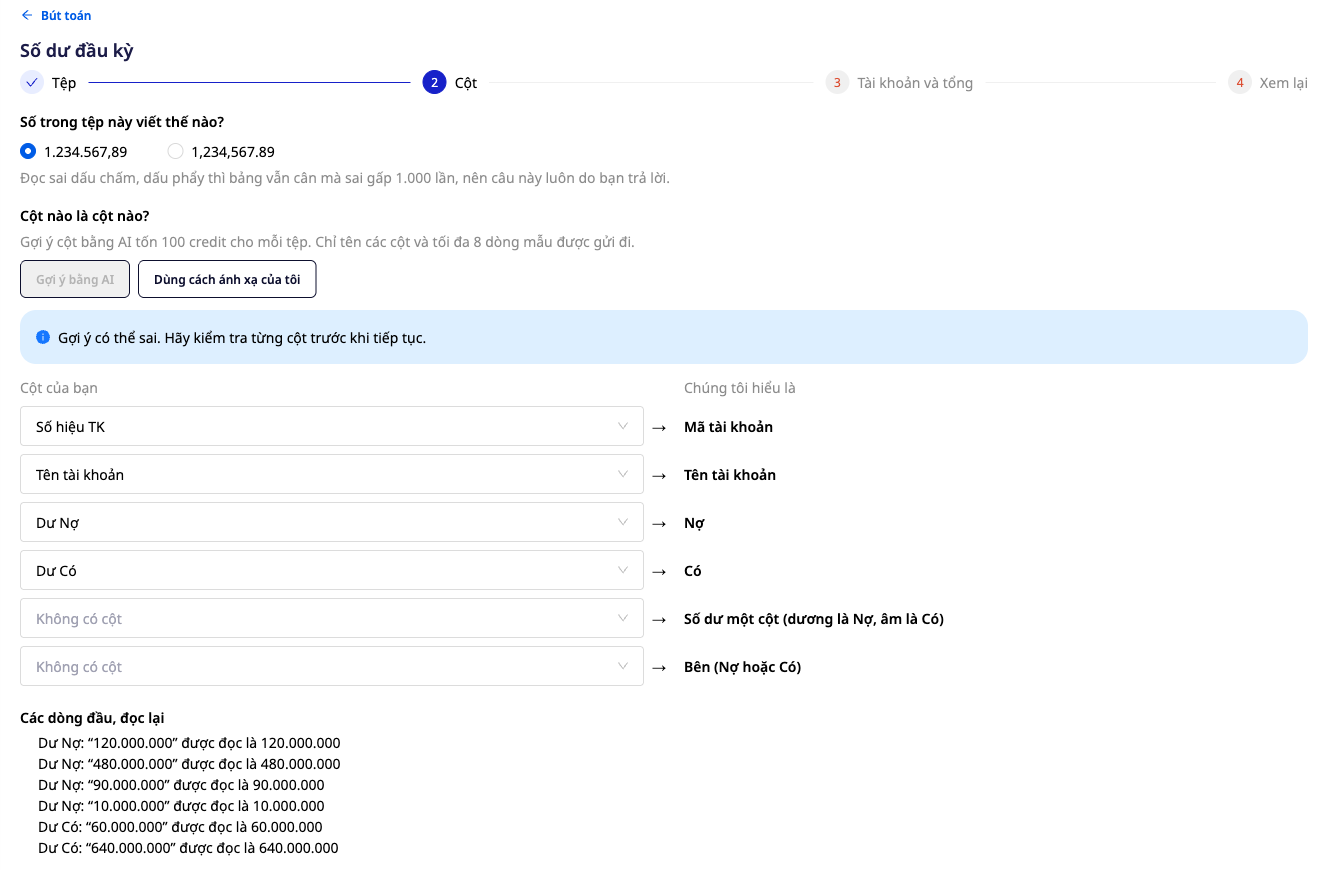
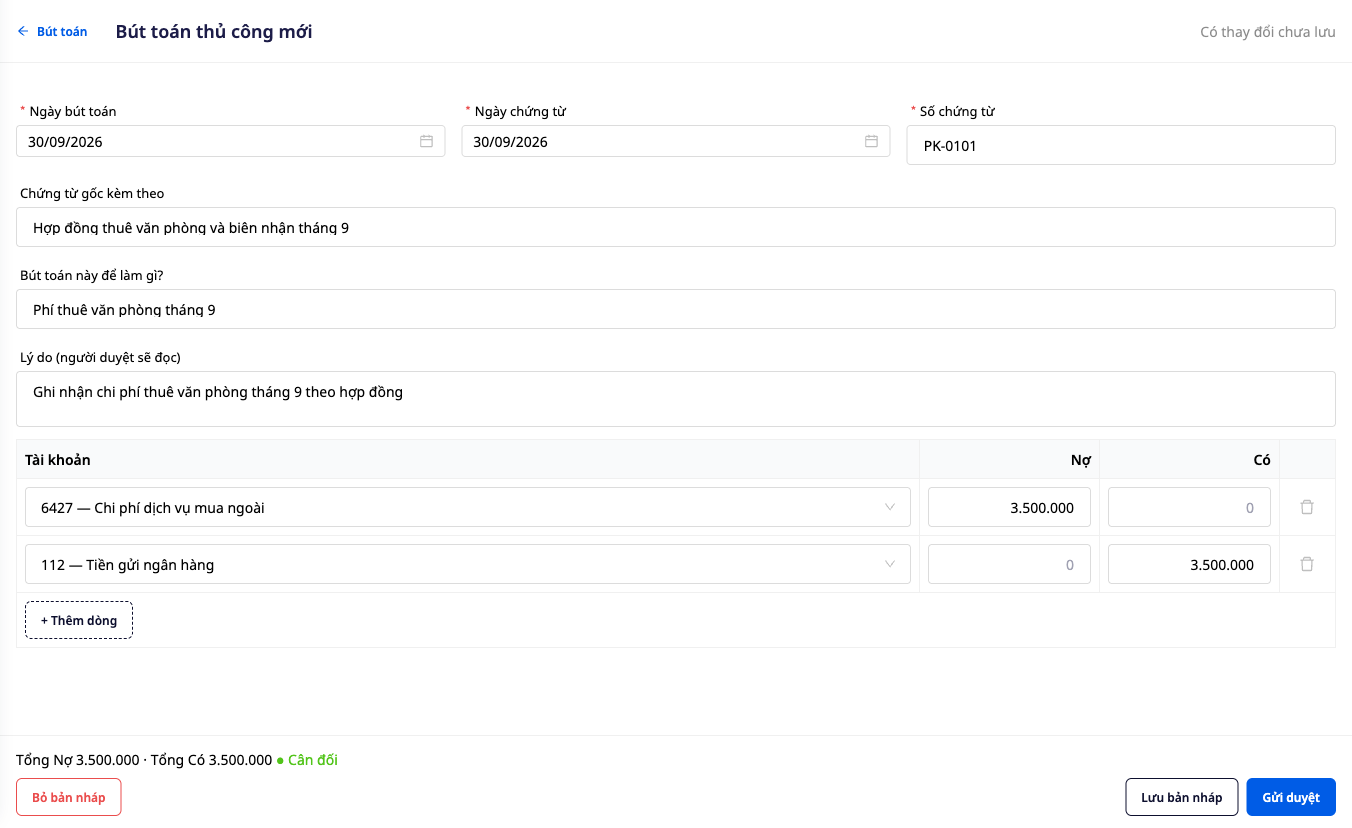
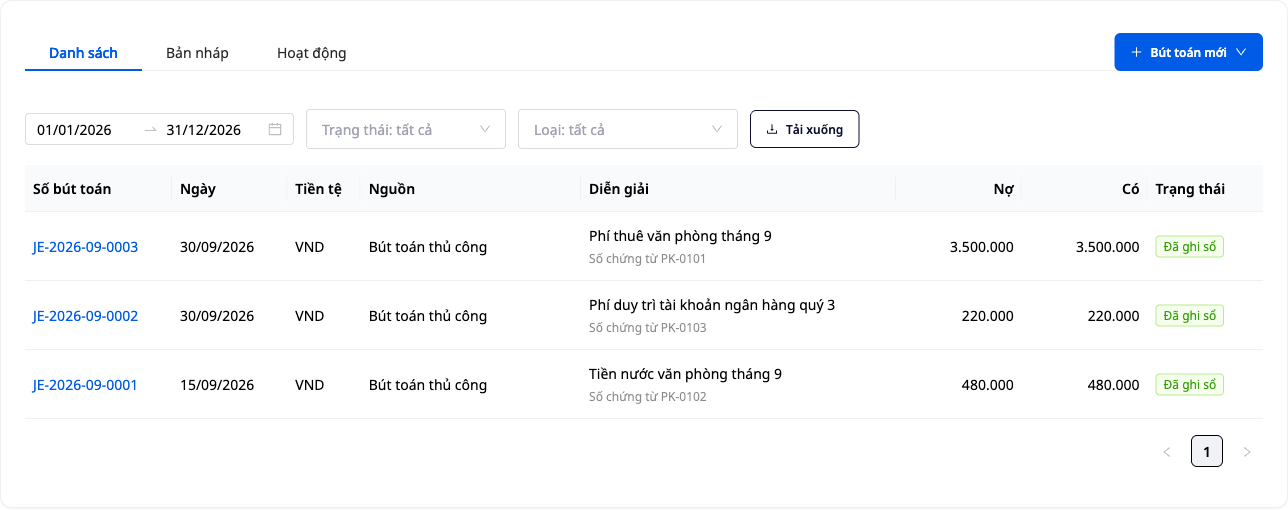
- Свързване на проследяване: Това е изключително важна стъпка. Уверете се, че сте свързали своя Google Analytics 4 (GA4) акаунт, Google Tag Manager и сте настроили проследяване на реализациите. Един напълно проследяван акаунт ще ви помогне точно да измерите ефективността на всеки похарчен лев, от което да вземете правилни оптимизиращи решения.
Етаж 2: Кампания (Campaign Level) - Разделяне на големи цели
Кампаниите са като големите отдели в къщата, всеки със своя собствена цел.
Трябва да разделите кампаниите въз основа на:
- Основна цел: Например: Кампания "Събиране на потенциални клиенти" за курс, Кампания "Продажби" за продукт А.
- Големи продуктови/услугови категории: Кампания "Автоматизация на маркетинга" и Кампания "Управление на социални медии" за продуктите на GTG CRM.
- Рекламни канали: Разделете кампаниите за Търсене, Дисплей, Видео или Performance Max , за да избегнете припокриване на бюджета и да улесните контрола на ефективността.
- Бюджет & Таргетиране: Всяка кампания ще има свой собствен бюджет и индивидуални цели за таргетиране (географско местоположение, устройство, време).
Най-добра практика: Създавайте кампании със системни имена, например: [Държава] - [Канал] - [Продукт] като „BG – Търсене – Курсове по маркетинг“.
Ниво 3: Групи с реклами (Ad Group Level) - Специализация на темата
Ако кампаниите са големи зали, то групите с реклами са малки шкафове с файлове във всяка зала. Всяка група с реклами трябва да се върти около тясна тема или конкретно намерение за търсене .
Пример: В кампанията „Курсове по дигитален маркетинг“ можете да създадете следните групи с реклами:
- Ad Group 1: „Курсове по дигитален маркетинг в София“ (фокус върху ключови думи с местоположение).
- Ad Group 2: „Онлайн курсове по дигитален маркетинг“ (фокус върху ключови думи за онлайн обучение).
Често срещана грешка: Събиране на всички ключови думи в една група. Това прави рекламите нерелевантни, намалява Качеството на оценката и увеличава цената на клик.
Ниво 4: Ключови думи (Keyword Level) - Мястото, където се срещате с потенциални клиенти
Ключовите думи са връзката между потребителите и вашите реклами. Правилното използване на типовете съвпадение на ключови думи е ключов фактор:
- Точно съвпадение (Exact Match): Максимален контрол, подходящо за основни ключови думи.
- Съвпадение по фраза (Phrase Match): Умерено разширение, улавя повече варианти.
- Отрицателни ключови думи (Negative Keyword): Непрекъснато актуализиране за премахване на нерелевантни търсения, поддържане на трафика чисто.
Съвет за оптимизация: За важни ключови думи, прилагайте структурата SKAG (Single Keyword Ad Group). Това означава, че всяка група с реклами има само една ключова дума. Това гарантира, че рекламата съвпада напълно с потребителското търсене, което води до повишаване на CTR и повишаване на Качеството на оценката.
Функцията за създаване и управление на Google реклами GTG CRM – Интегриран с AI автоматично предлага потенциални ключови думи и групира ключови думи според търсещите намерения на потребителите ( покупка, търсене на информация, сравнение на продукти... ), което ви помага да изградите точна структура на групите с реклами от самото начало. Въз основа на поведението на клиентите и конкурентите, управлението и създаването на Google Ads реклами става по-лесно, оптимизира се проучването на ключови думи, което ви помага да изградите стандартна структура на рекламен акаунт.
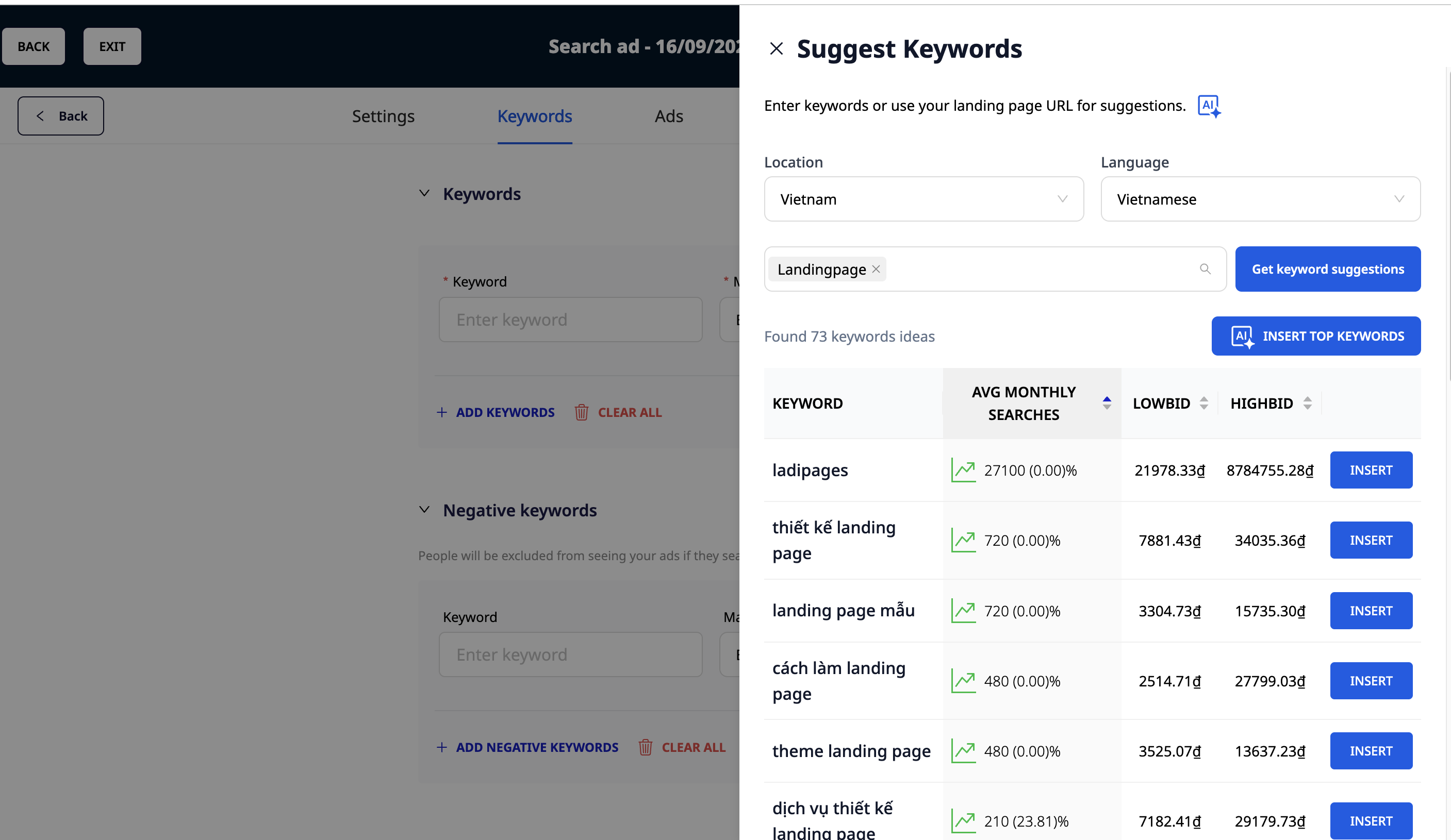
GTG CRM предлага ключови думи с AI
Ниво 5: Реклами (Ad Level)
Всяка рекламна група трябва да има поне 2-3 рекламни варианта, включително Responsive Search Ads (RSA) за Google автоматично да тества и намира най-ефективната версия.
Принципи за писане на стандартни реклами:
- Включете основната ключова дума: Да се появява в заглавието и описанието.
- Подчертайте уникалната стойност (UVP): Защо потребителите трябва да ви изберат?
- Ясен призив за действие (CTA): "Регистрирайте се сега", "Научете повече", "Безплатен пробен период"...
- Използвайте разширения за реклами (Ad Extensions): Sitelink, Callout, Structured Snippets... помагат рекламата да изпъква и увеличават CTR.
Целева страница (Landing Page) & Качествен рейтинг: Два фактора, определящи успеха
Всички горепосочени усилия ще бъдат напразни, ако вашата целева страница не е добра. Целевата страница трябва да бъде синхронизирана с ключовата дума и съдържанието на рекламата. Целева страница с бързо зареждане, релевантно съдържание и оптимизирана за конверсии (CRO) ще бъде голям "плюс" за Качествения рейтинг.
Качественият рейтинг е комбинация от:
- Очаквано CTR (Click-Through Rate): Вашата реклама атрактивна ли е?
- Релевантност на рекламата: Рекламата съвпада ли с ключовата дума?
- Изживяване на целевата страница: Целевата страница добра и релевантна ли е?
Заключение
Стандартната структура на Google Ads ви помага да привлечете качествени посещения, но превръщането на потенциални клиенти в приходи е крайната цел.
Тук GTG CRM влиза в роля:
- Автоматизирано управление на потенциални клиенти (leads): GTG CRM може автоматично да записва и класифицира потенциални клиенти от Google Ads кампании, което позволява на търговския екип незабавно да се свърже с тях.
- Детайлно измерване: Отчетите на GTG CRM ви позволяват да анализирате в дълбочина: Кои кампании генерират най-качествени потенциални клиенти? Кои ключови думи водят до най-много поръчки?
- Мултиканална интеграция: GTG CRM ви помага да проследявате пътя на клиента от момента, в който кликне върху Google Ads реклама, докато взаимодейства във Facebook, Zalo или имейл.
Превърнете прочетеното в реални резултати — кандидатствайте сега с GTG CRM, безплатно.
Кандидатствайте сега