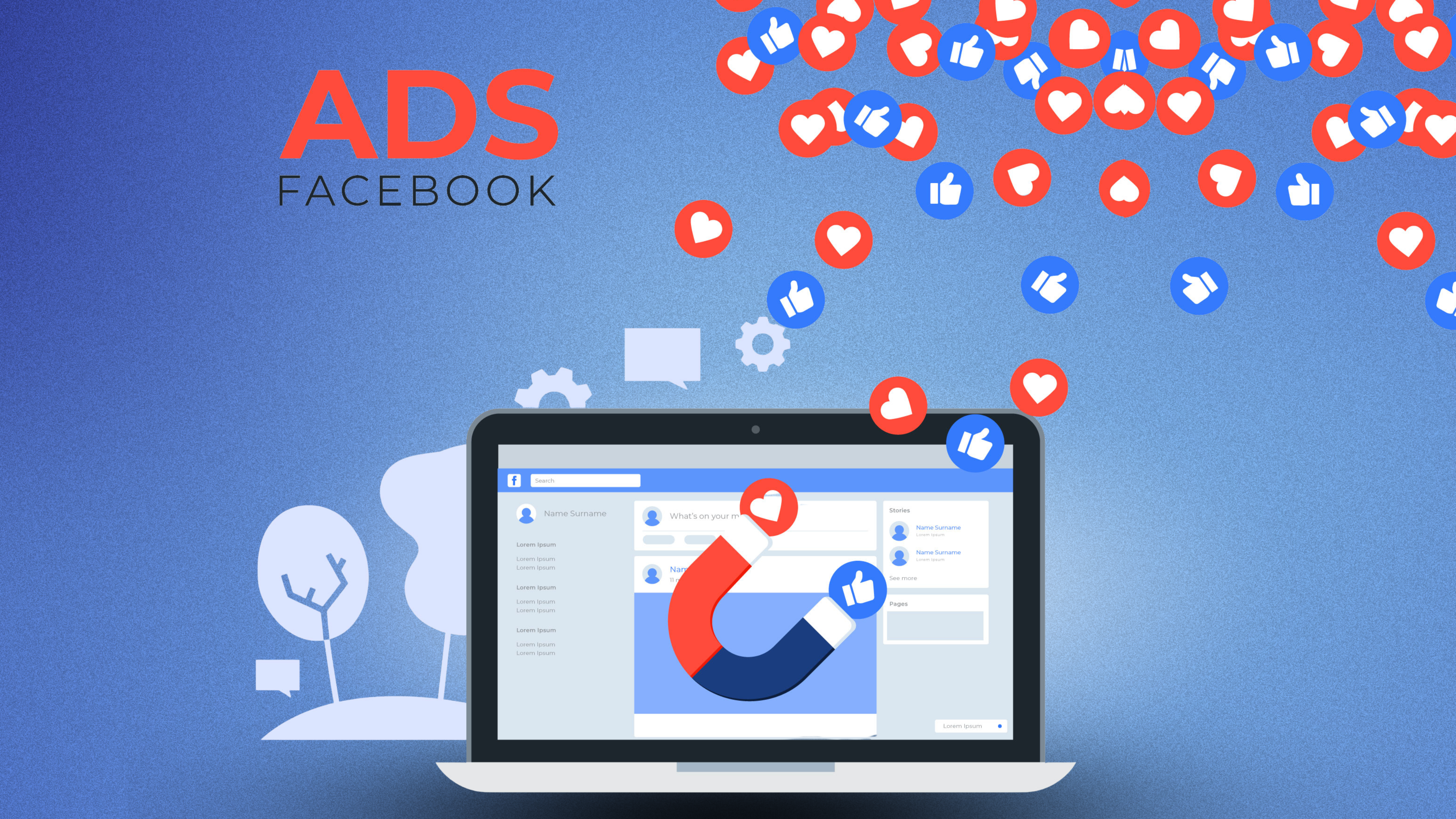
Το παρακάτω άρθρο θα αναλύσει τους συνήθεις στόχους, με πρακτικά παραδείγματα για αναφορά.
Αν δεν είστε εξοικειωμένοι με τους τύπους διαφημιστικών μορφών, μπορείτε να διαβάσετε έναν λεπτομερή οδηγό στο Top 7 Βασικοί Και Δημοφιλείς Τύποι Διαφημίσεων Facebook πριν επιλέξετε στόχο.
Στόχος Αναγνώρισης Επωνυμίας (Awareness)
Η αναγνώριση επωνυμίας είναι η ομάδα εκστρατειών στην “κορυφή του χωνιού”, η οποία βοηθά το προϊόν ή την υπηρεσία να φτάσει σε όσο το δυνατόν περισσότερους ανθρώπους. Οι κύριοι στόχοι είναι συνήθως
- Μέγιστη εμβέλεια διαφήμισης: χρησιμοποιείται συνήθως όταν θέλετε να καλύψετε ευρέως την επωνυμία.
- Μέγιστος αριθμός εμφανίσεων: η διαφήμιση επαναλαμβάνεται πολλές φορές για να αυξηθεί η αναγνωρισιμότητα.
- Βελτίωση της αναγνωρισιμότητας διαφήμισης (Ad Recall Lift): κατάλληλο για επιχειρήσεις που χρειάζονται μακροπρόθεσμη οικοδόμηση επωνυμίας.
- Μέγιστες προβολές βίντεο (Thruplay): χρησιμοποιείται όταν θέλετε να προωθήσετε μηνύματα μέσω βίντεο.
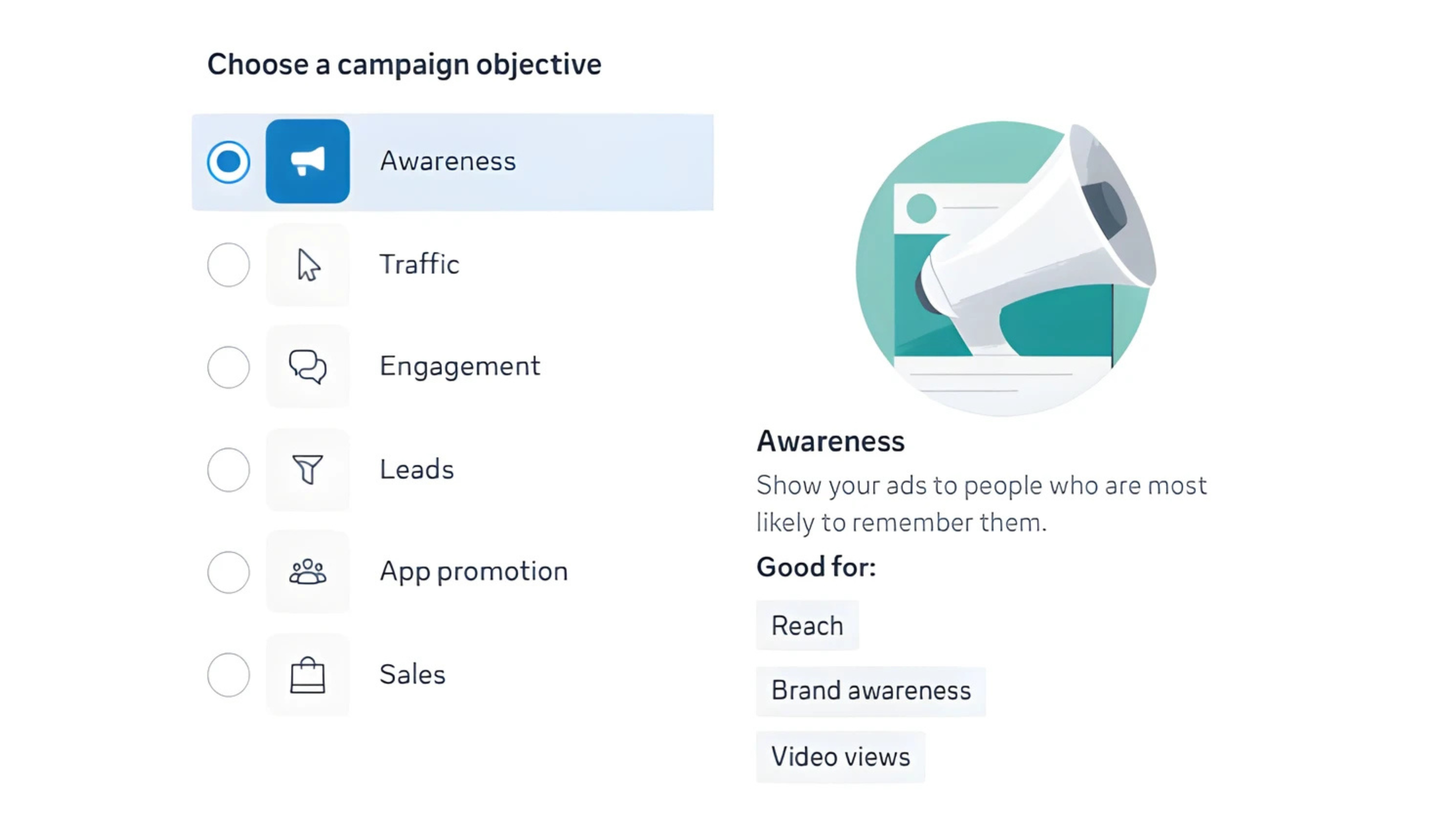
Εκστρατεία Αναγνώρισης Επωνυμίας (Awareness)
Παράδειγμα: Μια νέα μάρκα μόδας θα εκτελέσει συνήθως μια εκστρατεία “Reach” (εμβέλεια) για να καλύψει ευρέως την εικόνα του προϊόντος. Ή για μάρκες F&B, η εκτέλεση διαφημιστικών βίντεο φαγητού με στόχο το “ThruPlay” τους βοηθά να δημιουργήσουν ένα κοινό που έχει παρακολουθήσει βίντεο, ώστε να επαναστοχεύσουν σε μεταγενέστερο στάδιο.
Το πλεονέκτημα αυτής της εκστρατείας είναι ότι βοηθά τους πελάτες να εξοικειωθούν με την επωνυμία, αλλά πρέπει να σημειωθεί: οι εκστρατείες αναγνώρισης σπάνια δημιουργούν άμεσες παραγγελίες, λειτουργούν μόνο ως θεμέλιο για τα επόμενα βήματα.
Στόχος Κίνησης (Traffic)
Σε αντίθεση με την αναγνώριση, οι εκστρατείες κίνησης στοχεύουν στην κατεύθυνση των πελατών προς τον ιστότοπο, την landing page ή μια πλατφόρμα που ελέγχετε. Αυτός είναι ένας τρόπος να παρουσιάσετε προϊόντα και να συλλέξετε δεδομένα συμπεριφοράς.
Παράδειγμα: Ένα κέντρο ξένων γλωσσών μπορεί να εκτελέσει διαφημίσεις κίνησης προς μια landing page εγγραφής για συμβουλευτική. Εκεί, θα ενσωματώσουν pixel για τη συλλογή δεδομένων και στη συνέχεια θα επαναστοχεύσουν σε άτομα που έχουν επισκεφθεί αλλά δεν έχουν αφήσει πληροφορίες.
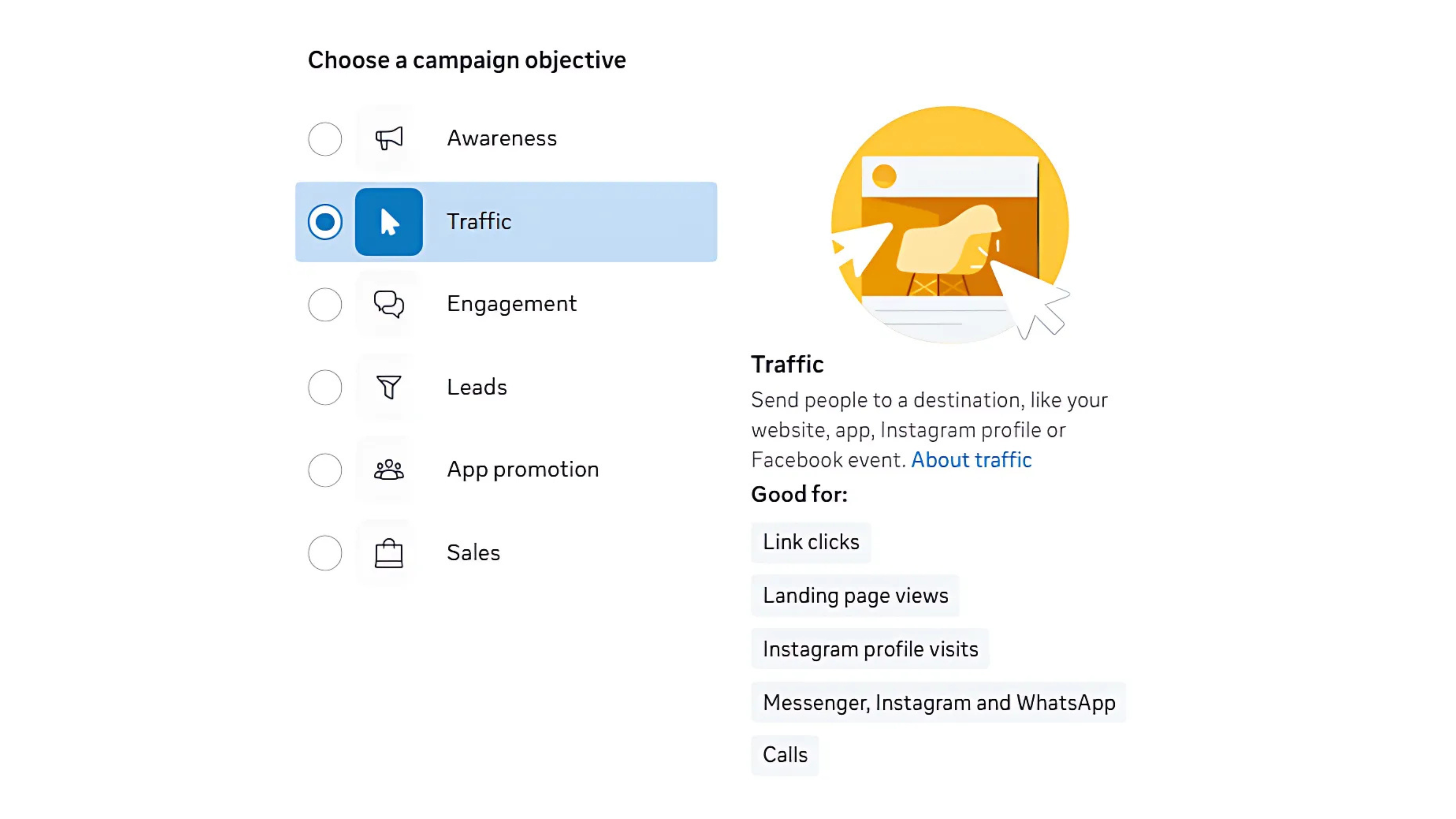
Εκστρατεία Κίνησης (Traffic)
Σημείωση: οι στόχοι “Link Click” και “Landing Page View” φαίνονται παρόμοιοι αλλά είναι στην πραγματικότητα πολύ διαφορετικοί. Το “Link Click” μπορεί να είναι απλώς ο χρήστης που πατάει στον σύνδεσμο και φεύγει αμέσως, ενώ το “Landing Page View” βελτιστοποιείται για όσους φορτώνουν πραγματικά τη σελίδα επιτυχώς. Αυτή είναι μια μικρή λεπτομέρεια αλλά επηρεάζει άμεσα την ποιότητα των δεδομένων που λαμβάνετε.
Στόχος Αλληλεπίδρασης (Engagement)
Μια διαφήμιση με πολλές “μου αρέσει”, σχόλια, κοινοποιήσεις δημιουργεί πολύ περισσότερη εμπιστοσύνη από μια με λίγες μόνο προβολές. Αυτός είναι ο λόγος που οι εκστρατείες αλληλεπίδρασης χρησιμοποιούνται πάντα από τους διαφημιστές για να ομορφύνουν την εμφάνιση της σελίδας στο Facebook, να αυξήσουν την εμπιστοσύνη και να προσελκύσουν πιθανούς πελάτες.
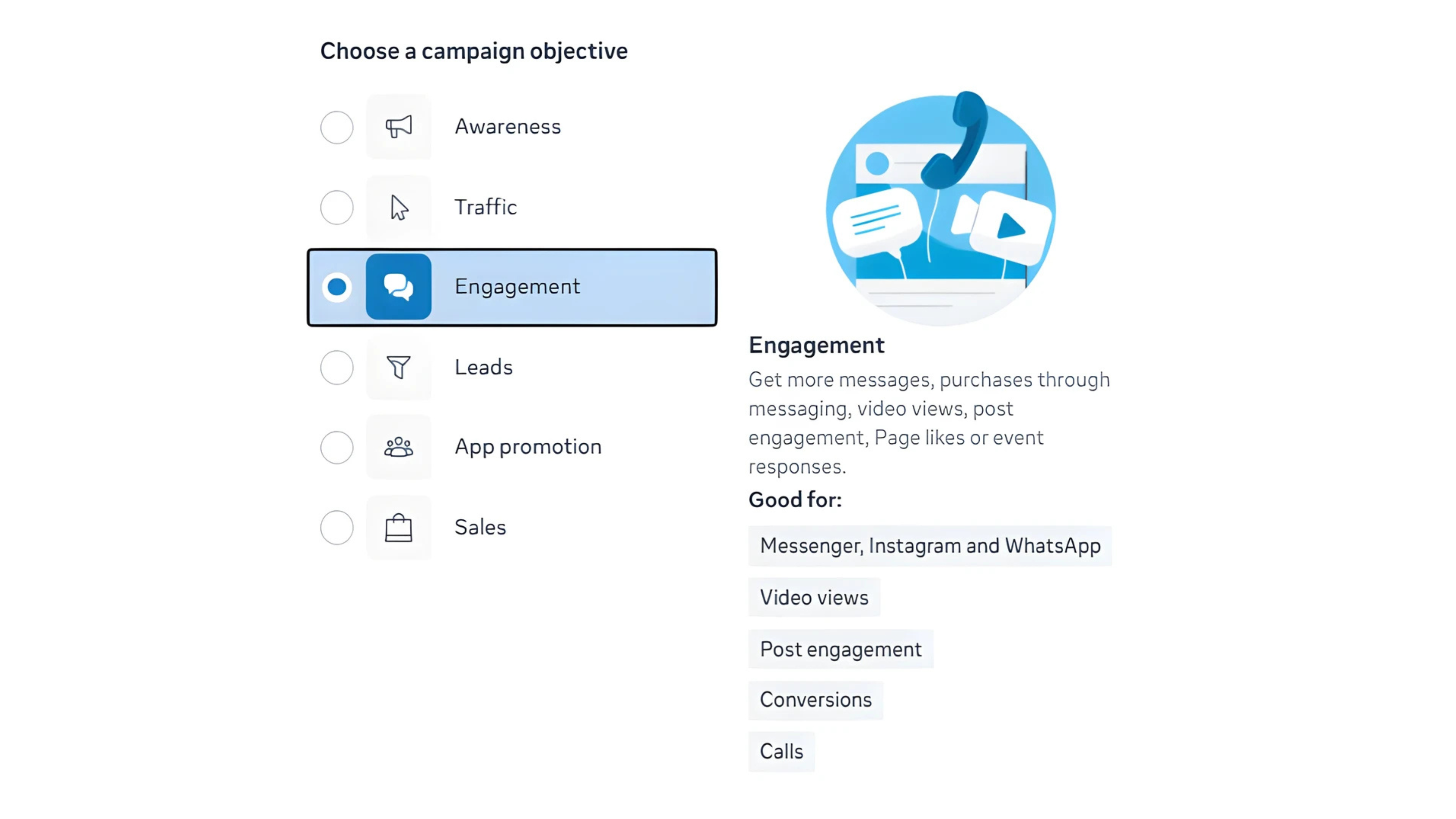
Εκστρατεία Αλληλεπίδρασης (Engagement)
Οι συνήθεις στόχοι είναι:
- Αλληλεπίδραση με αναρτήσεις
- Προβολές βίντεο (Thruplay)
- Συμμετοχή σε ομάδες κοινότητας
- Ανταπόκριση σε εκδηλώσεις
- Μέγιστος αριθμός μηνυμάτων
- Μέγιστες αγορές μέσω μηνυμάτων
- Διαφημιζόμενα μηνύματα
- Μέγιστος αριθμός κλήσεων
- Μέγιστες προτιμήσεις σελίδας
Το σημείο που πρέπει να προσέξετε είναι ότι η αλληλεπίδραση δεν ισοδυναμεί με μετατροπή. Εάν σταματήσετε μόνο σε like και σχόλια χωρίς επόμενο πλάνο remarketing, η εκστρατεία θα δυσκολευτεί να φέρει πραγματικές πωλήσεις.
Στόχος Δυνητικοί Πελάτες (Lead Generation)
Αυτή η εκστρατεία είναι κατάλληλη για επιχειρήσεις που χρειάζονται να συλλέξουν δεδομένα για καλλιέργεια και φροντίδα. Συνήθως παρατηρείται στην εκπαίδευση, στις υπηρεσίες, στο B2B ή στα ακίνητα.
Οι συνήθεις στόχοι είναι:
- Συλλογή δεδομένων μέσω φόρμας συμπλήρωσης απευθείας στο Facebook/Instagram
- Αύξηση δυνητικών πελατών μέσω μηνυμάτων
- Αύξηση δυνητικών πελατών μέσω chat στο Instagram
- Μέγιστος αριθμός απευθείας κλήσεων
- Αύξηση δυνητικών πελατών που επισκέπτονται τον ιστότοπο
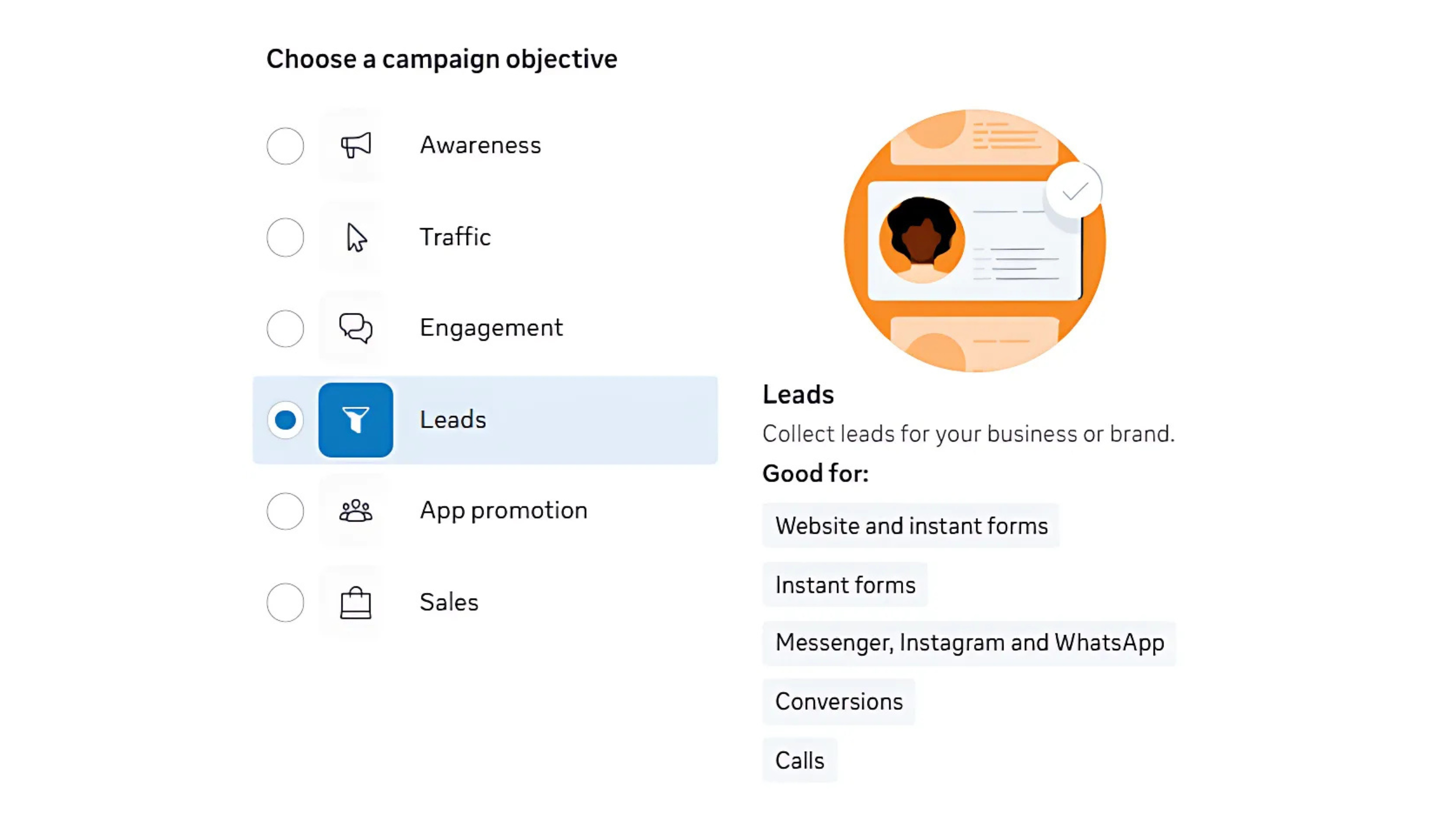
Εκστρατεία Δυνητικοί Πελάτες (Lead Generation)
Το πλεονέκτημα αυτού του τύπου εκστρατείας είναι ότι το Facebook παρέχει τη φόρμα απευθείας στην πλατφόρμα, βοηθώντας τους πελάτες να τη συμπληρώσουν γρηγορότερα. Ωστόσο, το μειονέκτημα είναι ότι η ποιότητα των δεδομένων είναι μερικές φορές χαμηλή, επειδή οι χρήστες συμπληρώνουν πληροφορίες απλώς για να "ρίξουν μια ματιά" και δεν έχουν πραγματική ανάγκη. Επομένως, πολλές επιχειρήσεις συνδυάζουν τη φόρμα δυνητικών πελατών με τηλεφωνικές πωλήσεις ή αυτοματοποίηση email για να φιλτράρουν δυνητικούς πελάτες υψηλής ποιότητας.
Εάν αντιμετωπίζετε προβλήματα με κακής ποιότητας δυνητικούς πελάτες ή απώλειες κατά τη διαδικασία φροντίδας, μπορείτε να ανατρέξετε στο άρθρο: Μην χάνετε ποτέ Lead: Αυτοματοποιήστε τη διαχείριση, αυξήστε το ποσοστό μετατροπής 3 φορές.
Στόχος Πωλήσεις (Sales/Conversions)
Αυτή είναι η πιο σημαντική ομάδα στόχων, επειδή συνδέεται άμεσα με τα έσοδα. Οι επιχειρήσεις μπορούν να βελτιστοποιήσουν για Μετατροπές (αγορά, συμπλήρωση φόρμας, εγγραφή σε υπηρεσία) ή Αξία (αξία παραγγελίας).
Για παράδειγμα: ένα online κατάστημα παπουτσιών συχνά επιλέγει τον στόχο "Purchase" για να βελτιστοποιήσει το Facebook σε άτομα με την υψηλότερη πιθανότητα αγοράς. Μια μάρκα πολυτελών επίπλων μπορεί να επιλέξει "Value Optimization" για να δώσει προτεραιότητα σε πελάτες με μεγάλη δυνατότητα δαπάνης, αντί να μετράει απλώς τον αριθμό των παραγγελιών.
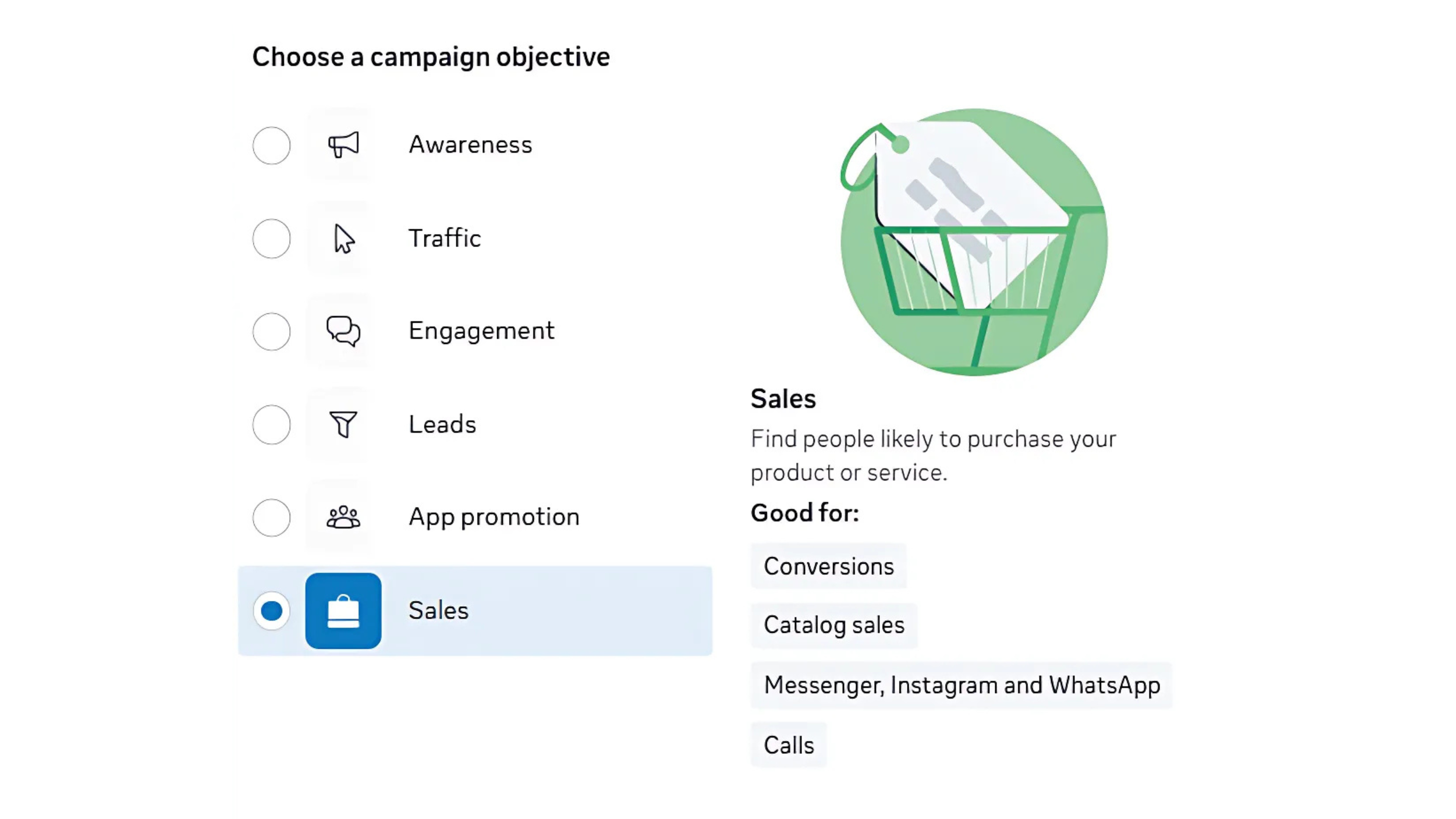
Εκστρατεία Πωλήσεις (Sales/Conversions)
Το κλειδί εδώ είναι τα δεδομένα. Εάν το pixel δεν έχει συλλέξει επαρκή δεδομένα μετατροπής, ο αλγόριθμος δεν θα βελτιστοποιηθεί καλά. Ως εκ τούτου, πολλοί διαφημιζόμενοι ακολουθούν τη διαδρομή: αναγνωρισιμότητα → επισκεψιμότητα → leads → μετατροπές. Αυτή η προσέγγιση βοηθά στην οικοδόμηση των αρχείων σταδιακά, πριν από την "ολοκλήρωση της πώλησης" στο τελικό στάδιο.
Συμπέρασμα
Δεν υπάρχει "καλύτερος" στόχος για όλες τις καταστάσεις. Η αναγνωρισιμότητα βοηθά την επωνυμία να γίνει γνωστή, η επισκεψιμότητα φέρνει πελάτες στην πλατφόρμα σας, η αλληλεπίδραση δημιουργεί εμπιστοσύνη, η δημιουργία leads συλλέγει δεδομένα και οι μετατροπές είναι το στάδιο ολοκλήρωσης της πώλησης.
Το σημαντικό είναι να κατανοήσετε το προϊόν, τους πελάτες και τους πόρους σας για να επιλέξετε τον σωστό στόχο τη σωστή στιγμή. Μια αποτελεσματική διαφημιστική καμπάνια δεν βασίζεται μόνο σε έτοιμες συνταγές, αλλά στην ικανότητα ευέλικτου συνδυασμού στόχων για τη δημιουργία ενός ολοκληρωμένου marketing funnel. Τότε, η διαφήμιση όχι μόνο ξοδεύει χρήματα, αλλά γίνεται πραγματικά μοχλός βιώσιμης αύξησης εσόδων.
Εάν ξεκινάτε τώρα και χρειάζεστε μια πιο εύκολη στην κατανόηση διαδρομή υλοποίησης, μπορείτε να ανατρέξετε στο άρθρο: Πραγματικές Συμβουλές που Βοηθούν τους Νεοεισερχόμενους να Δημιουργήσουν Αποτελεσματικές Διαφημίσεις από την Αρχή
Μετατρέψτε όσα διαβάσατε σε πραγματικά αποτελέσματα — εφαρμόστε τώρα με το GTG CRM, δωρεάν.
Εφαρμόστε τώρα