Γνωρίζατε ότι το 78% των πιθανών πελατών αξιολογεί την αξιοπιστία μιας επιχείρησης μέσω της ιστοσελίδας της πριν αποφασίσει να επικοινωνήσει; Ωστόσο, η πραγματικότητα δείχνει ότι πολλές επιχειρήσεις SMB στο Βιετνάμ έχουν μόνο ιστοσελίδες με 1-2 απλές σελίδες: Αρχική και Επικοινωνία. Ως αποτέλεσμα, οι πελάτες μπαίνουν, βλέπουν και... φεύγουν αμέσως.
Γιατί; Επειδή η ιστοσελίδα στερείται πληροφοριών, στερείται κάλυψης περιεχομένου και, το πιο σημαντικό, στερείται "σημείων επαφής" για την οικοδόμηση εμπιστοσύνης. Η Google επίσης δεν "ευνοεί" ιστοσελίδες φτωχές σε περιεχόμενο, οδηγώντας σε χαμηλή κατάταξη SEO και χαμηλή οργανική επισκεψιμότητα.
Πόσες τουλάχιστον σελίδες χρειάζεται μια επαγγελματική ιστοσελίδα βελτιστοποιημένη για SEO; Και τι πρέπει να περιέχει κάθε σελίδα για να αυξήσει την εμπιστοσύνη, να βελτιστοποιήσει το SEO και να μετατρέψει αποτελεσματικά leads; Ας το ανακαλύψουμε σε αυτό το άρθρο.
Γιατί ο αριθμός των σελίδων είναι σημαντικός για το SEO και τις μετατροπές;
Η Google αξιολογεί την "Τοπική Εξουσία" με βάση την κάλυψη του περιεχομένου
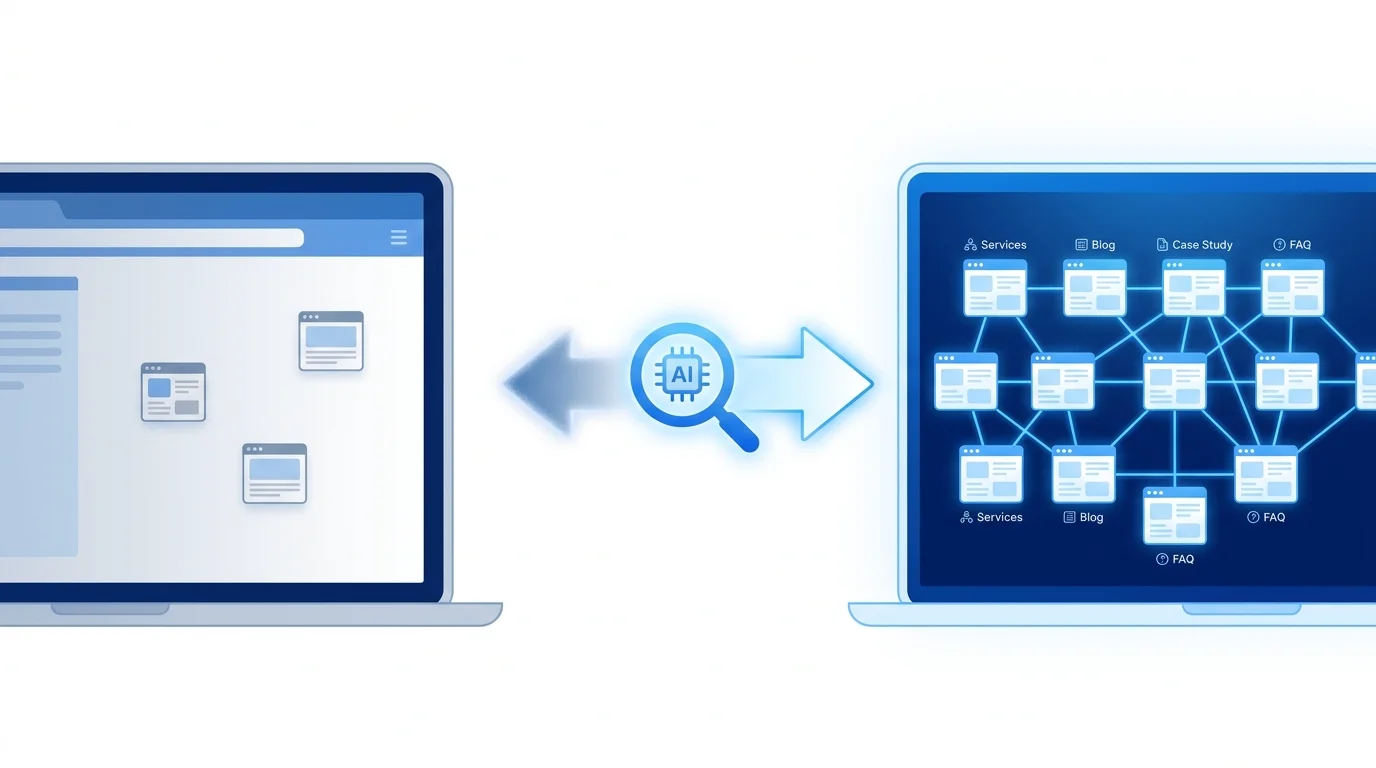
Η Google γίνεται όλο και πιο έξυπνη στην κατάταξη των ιστοσελίδων. Ο αλγόριθμος αναζήτησης δεν εξετάζει μόνο μία μεμονωμένη σελίδα, αλλά αξιολογεί αν η συνολική ιστοσελίδα επιδεικνύει βαθιά κατανόηση του θέματος (γνωστό ως Topical Authority).
Για παράδειγμα: Εάν ασχολείστε με σχεδιασμό εσωτερικών χώρων, η Google θέλει να δει ότι έχετε σελίδες για:
- Υπηρεσίες σχεδιασμού εσωτερικών χώρων για διαμερίσματα
- Υπηρεσίες κατασκευής εσωτερικών χώρων για βίλες
- Blog για τις τάσεις εσωτερικών χώρων 2026
- Case studies έργων που έχουν ολοκληρωθεί
- Συχνές Ερωτήσεις για τη διαδικασία σχεδιασμού
Μια ιστοσελίδα με 15-20 σχετικές σελίδες θα αξιολογηθεί καλύτερα από την Google από μια ιστοσελίδα με μόνο 3 γενικές σελίδες.
Οι πελάτες χρειάζονται πολλαπλά "σημεία επαφής" πριν επικοινωνήσουν

Σύμφωνα με μελέτες συμπεριφοράς χρηστών, ο μέσος B2B πελάτης χρειάζεται 5-7 αλληλεπιδράσεις με μια επωνυμία πριν αποφασίσει να αγοράσει. Εάν η ιστοσελίδα σας έχει μόνο 1-2 σελίδες, χάνετε την ευκαιρία να δημιουργήσετε αυτά τα σημεία επαφής.
Οι πελάτες μπορεί να:
- 1η φορά: Είσοδος στην αρχική σελίδα από διαφήμιση
- 2η φορά: Ανάγνωση blog για λύσεις
- 3η φορά: Προβολή case study
- 4η φορά: Ανάγνωση FAQ
- 5η φορά: Επίσκεψη στη σελίδα "Σχετικά με εμάς"
- 6η φορά: Συμπλήρωση φόρμας επικοινωνίας
Κάθε σελίδα είναι μια ευκαιρία να πείσετε και να χτίσετε εμπιστοσύνη.
Η εσωτερική σύνδεση μεταξύ των σελίδων ενισχύει το συνολικό SEO
Όταν έχετε πολλές σελίδες, μπορείτε να δημιουργήσετε εσωτερικές συνδέσεις μεταξύ τους. Αυτό βοηθάει στο:
- Διανομή του PageRank (SEO δύναμης) σε ολόκληρη την ιστοσελίδα
- Μείωση του bounce rate καθώς οι πελάτες έχουν περισσότερες σελίδες για να εξερευνήσουν
- Αύξηση του χρόνου παραμονής στην ιστοσελίδα (dwell time) — ένα θετικό σήμα SEO
7 απαραίτητες σελίδες για μια ιστοσελίδα βελτιστοποιημένη για SEO
Αρχική Σελίδα (Home) - Η πρώτη εντύπωση καθορίζει το 80% των μετατροπών
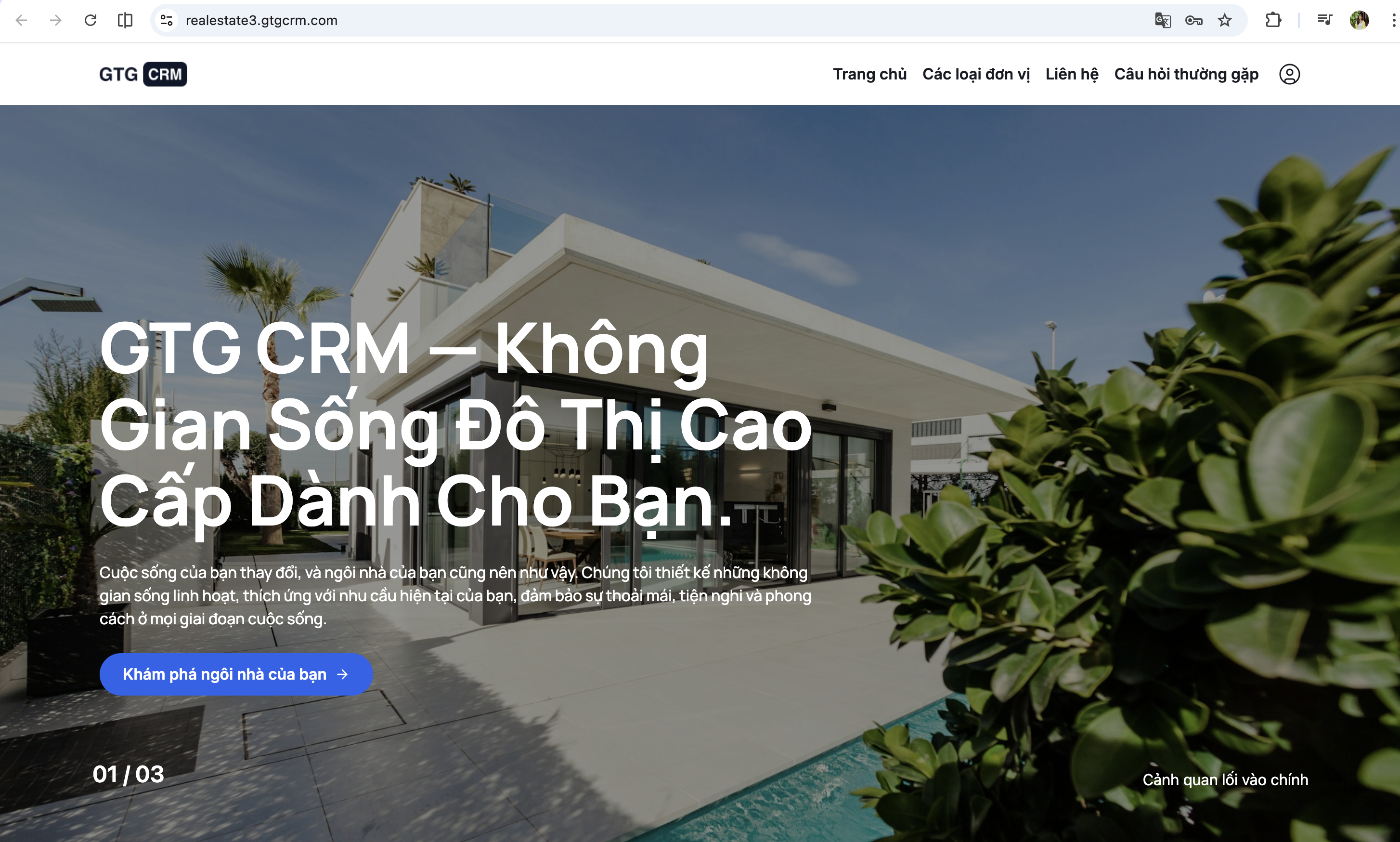
Ρόλος: Η αρχική σελίδα είναι το "online κατάστημα" σας. Είναι εκεί που οι πελάτες σχηματίζουν την πρώτη εντύπωση για την επιχείρησή σας. Μια καλή αρχική σελίδα πρέπει:
- Να απαντά αμέσως στο ερώτημα: "Τι κάνετε; Τι όφελος έχω;"
- Να οδηγεί με σαφήνεια σε άλλες σελίδες
- Να διαθέτει εμφανείς CTA (Call-to-Action - Προτροπές για Δράση)
Σημαντικοί παράγοντες SEO:
- Ετικέτα Τίτλου: Περιέχει την κύρια λέξη-κλειδί + όνομα επωνυμίας (Π.χ.: "Σχεδιασμός εσωτερικών χώρων σύγχρονων διαμερισμάτων | ABC Interior")
- Meta περιγραφή: 150-160 χαρακτήρες που περιγράφουν τη μοναδική αξία
- Ετικέτα H1: Σαφής, περιέχει τη λέξη-κλειδί (Π.χ.: "Αξιόπιστη εταιρεία σχεδιασμού εσωτερικών χώρων στην Αθήνα")
- Ενότητα Hero: Υψηλής ποιότητας εικόνα/βίντεο + ελκυστικός τίτλος + κουμπί CTA
Στοιχεία αξιοπιστίας που πρέπει να έχετε:
- Ευκρίνης λογότυπο
- Εντυπωσιακά στατιστικά (Π.χ.: "500+ έργα ολοκληρωμένα", "4.9⭐ από 200+ πελάτες")
- Κοινωνική απόδειξη: Λογότυπα συνεργατών, πιστοποιητικά, βραβεία
- Σαφής μενού πλοήγησης
Το GTG CRM προσφέρει 20+ πρότυπα αρχικής σελίδας με ενότητες Hero που έχουν 10+ παραλλαγές, ενότητες Στατιστικών για την προβολή δεδομένων και καρουζέλ Μαρτυριών - βοηθώντας σας να δημιουργήσετε μια επαγγελματική αρχική σελίδα σε μόλις 15 λεπτά.
Σελίδα Σχετικά με εμάς (About) - Χτίζοντας εμπιστοσύνη μέσω της ιστορίας της επωνυμίας
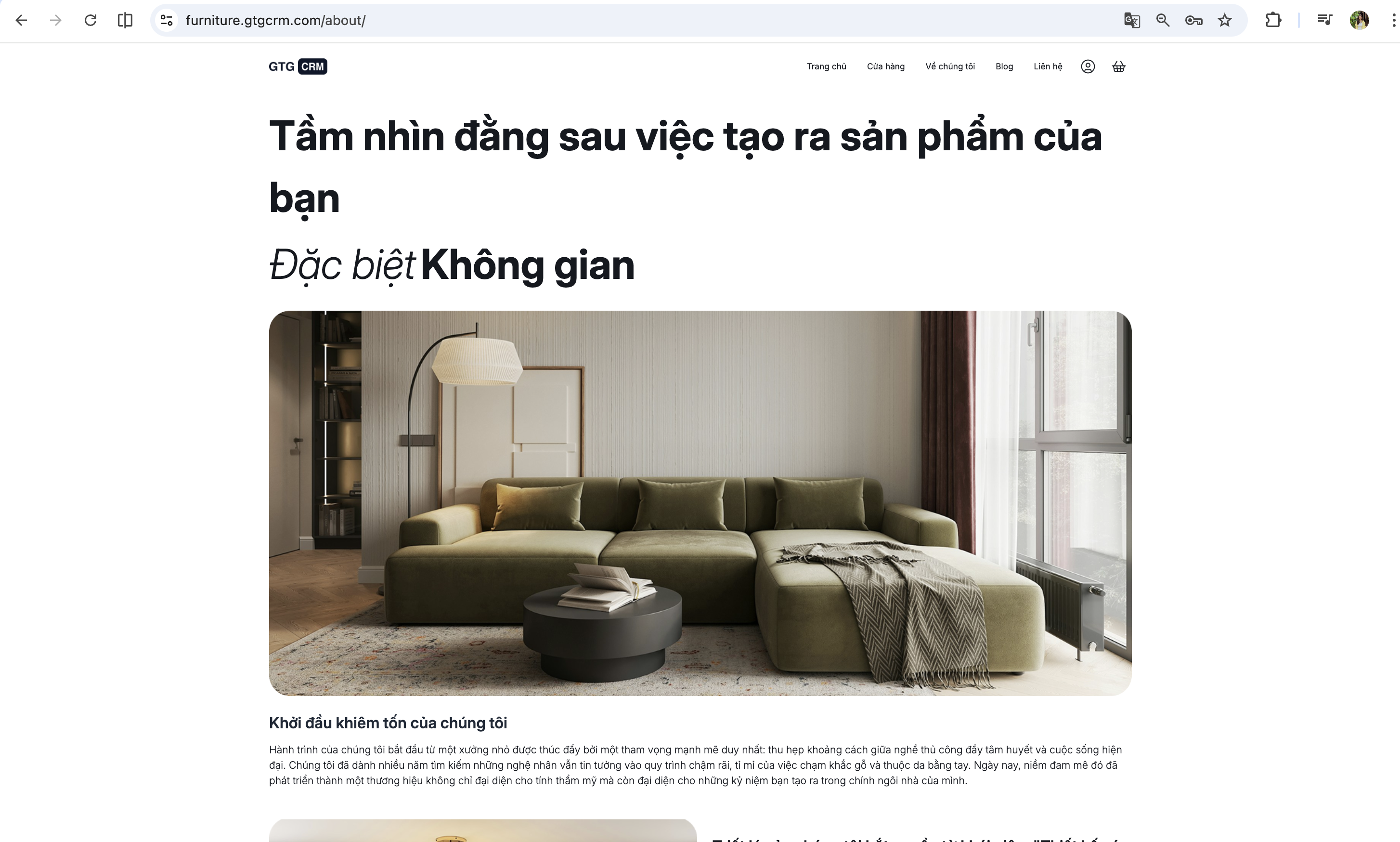
Ρόλος: Αυτή είναι η δεύτερη σε επισκεψιμότητα σελίδα μετά την αρχική. Οι πελάτες έρχονται εδώ για να μάθουν "Ποιοι είστε; Γιατί να σας εμπιστευτώ;"
Απαιτούμενο περιεχόμενο:
- Ιστορία ίδρυσης της επωνυμίας (Brand story)
- Αποστολή, όραμα, βασικές αξίες
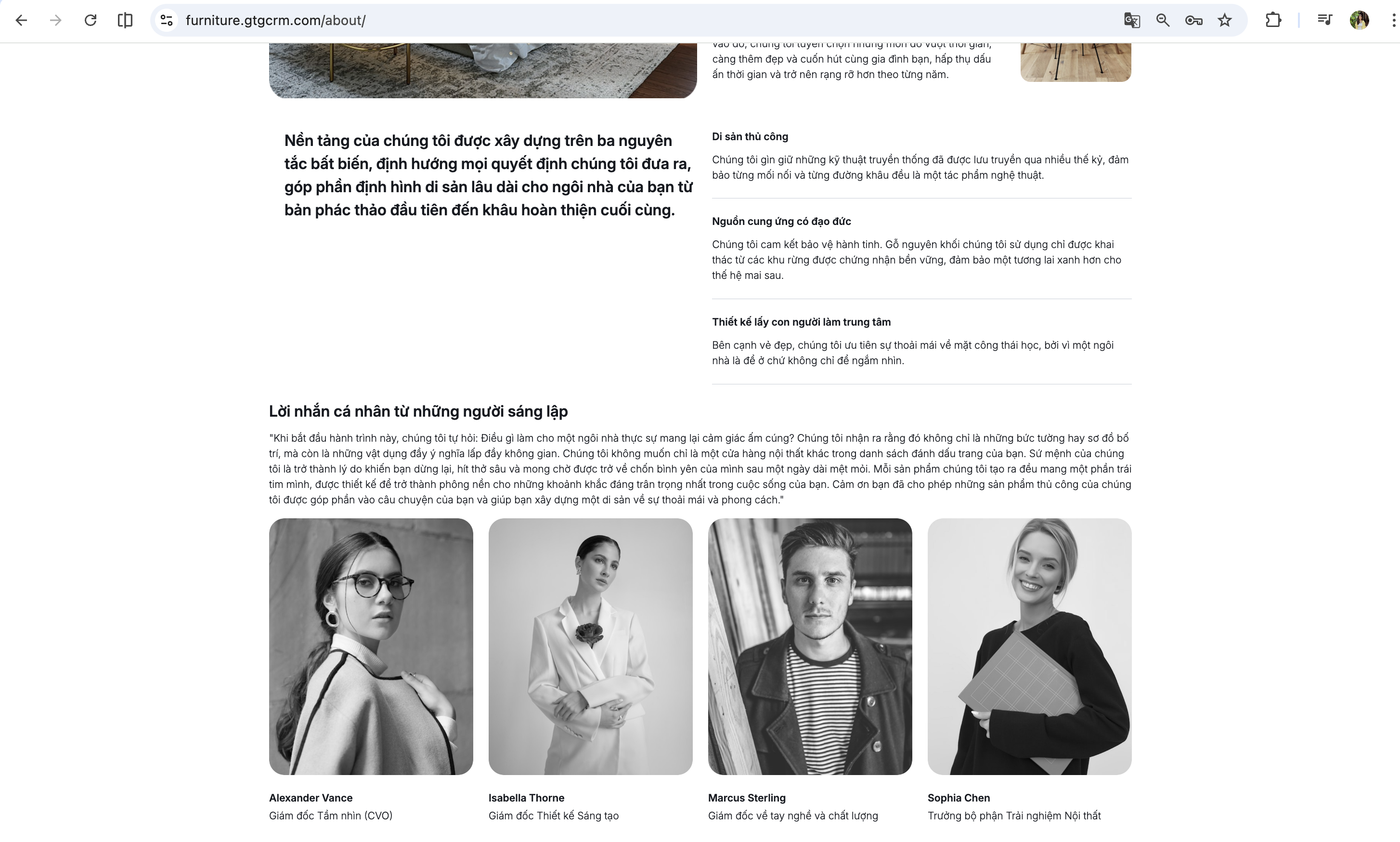
- Ομάδα ιδρυτών/ηγεσίας (πραγματικές φωτογραφίες + σύντομο βιογραφικό)
- Ιστορικό ανάπτυξης (χρονοδιάγραμμα)
- Πιστοποιητικά, βραβεία, σημαντικά επιτεύγματα
Στοιχεία αξιοπιστίας:
- Πραγματικές φωτογραφίες της ομάδας (όχι stock φωτογραφίες!)
- Συγκεκριμένα στατιστικά: "Ιδρύθηκε το 2018, έχει εξυπηρετήσει 1.200+ πελάτες"
- Πιστοποιητικά ISO, άδειες λειτουργίας (εάν απαιτείται από τον κλάδο)
- Βίντεο παρουσίασης γραφείων/παραγωγικής μονάδας
Παράγοντες SEO:
- Τίτλος: "Σχετικά με εμάς | [Όνομα εταιρείας] - [Σύντομο σλόγκαν]"
- H1: "Η ιστορία της ABC Interior: Ένα ταξίδι 5 ετών στη δημιουργία πολυτελών χώρων διαβίωσης"
- Λέξη-κλειδί μακράς ουράς: "αξιόπιστη εταιρεία σχεδιασμού εσωτερικών χώρων στην Αθήνα"
Πραγματική μελέτη περίπτωσης: Ένα marketing agency στην Πόλη του Χο Τσι Μινχ αύξησε το ποσοστό μετατροπής κατά 32% απλώς προσθέτοντας ένα βίντεο 2 λεπτών "Behind the scenes" στη σελίδα About, δείχνοντας την επαγγελματική ροή εργασίας.
Το GTG CRM διαθέτει έτοιμα πρότυπα για τη σελίδα About με ενότητες Μαρτυριών, κάρτες Μελών Ομάδας και στοιχεία Χρονοδιαγράμματος - βοηθώντας σας να αφηγηθείτε την ιστορία της επωνυμίας σας με οπτικό και ελκυστικό τρόπο.
Σελίδα Υπηρεσιών/Προϊόντων - Κάθε υπηρεσία = μια ξεχωριστή ευκαιρία SEO
Ρόλος: Αυτή είναι η σελίδα όπου οι πελάτες μαθαίνουν λεπτομέρειες για τις λύσεις που προσφέρετε. Είναι επίσης μια "χρυσή περιοχή" για βελτιστοποίηση SEO για πολλές λέξεις-κλειδιά μακράς ουράς.
Σημαντική αρχή: ΚΑΘΕ ΥΠΗΡΕΣΙΑ ΠΡΕΠΕΙ ΝΑ ΕΧΕΙ ΤΗ ΔΙΚΗ ΤΗΣ ΣΕΛΙΔΑ
❌ Λάθος: Μια σελίδα "Υπηρεσίες" που απαριθμεί τα πάντα (σχεδιασμός, κατασκευή, εγγύηση...)
✅ Σωστό: Διαχωρισμός σε πολλές σελίδες:
/dich-vu-thiet-ke-noi-that-chung-cu/dich-vu-thi-cong-noi-that-biet-thu/dich-vu-tu-van-phong-thuy
Οφέλη SEO:
- Κάθε σελίδα στοχεύει 1 συγκεκριμένη κύρια λέξη-κλειδί → ευκολότερη κατάταξη
- Αύξηση του αριθμού των σελίδων που είναι ευρετηριασμένες στην Google
- Ευκολία στη συγγραφή λεπτομερούς, εις βάθος περιεχομένου
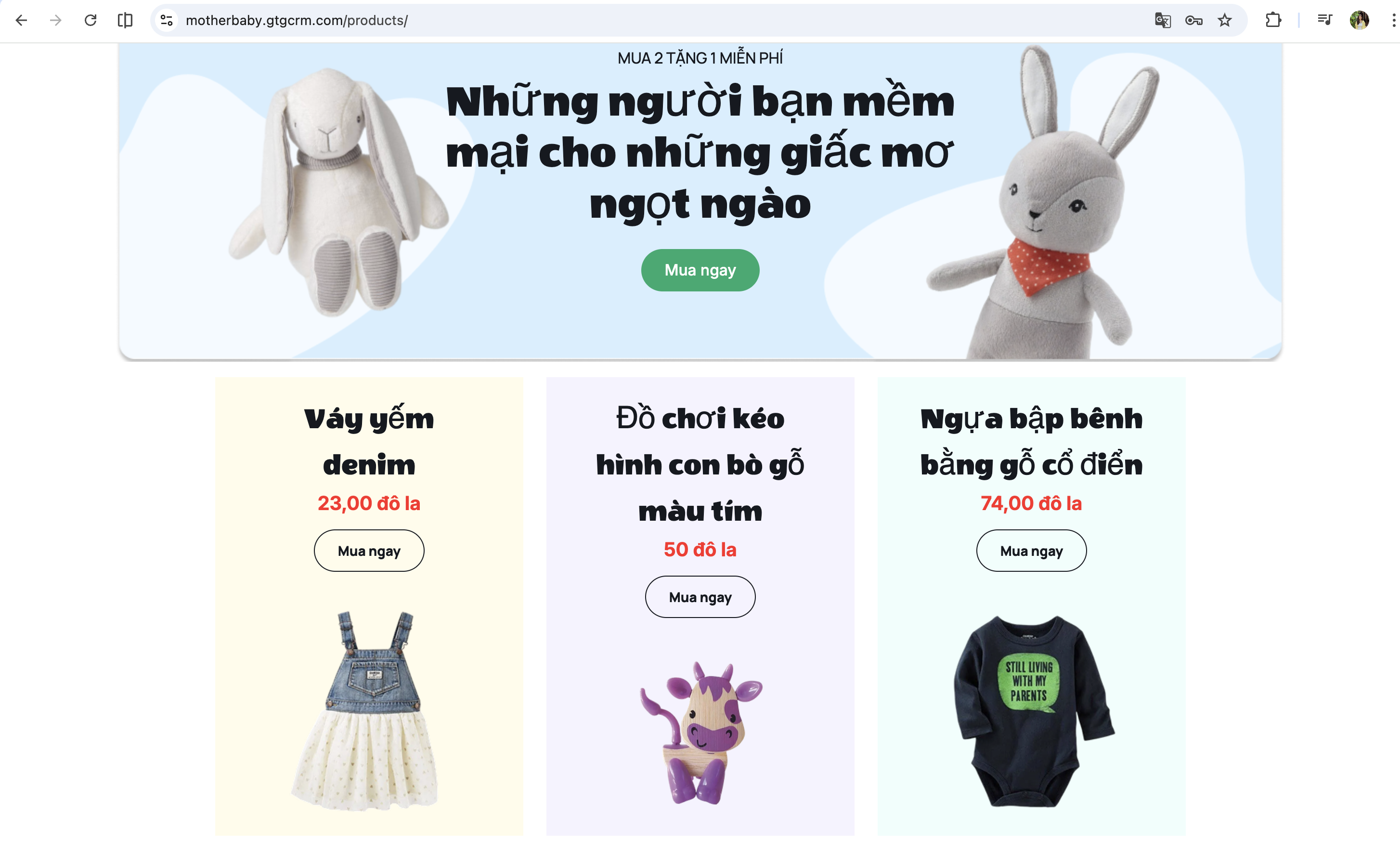
Τυπική δομή σελίδας υπηρεσιών:
- H1: Όνομα υπηρεσίας + λέξη-κλειδί (Π.χ.: "Υπηρεσία ολοκληρωμένου σχεδιασμού εσωτερικών χώρων διαμερισμάτων")
- Σύντομη περιγραφή: Τι πρόβλημα λύνετε;
- Κύρια οφέλη: 5-7 σημεία
- Διαδικασία υλοποίησης: 4-6 βήματα με εικονίδια
- Τιμοκατάλογος (αν μπορεί να δημοσιοποιηθεί) ή "Επικοινωνήστε για προσφορά"
- Συχνές ερωτήσεις για τη συγκεκριμένη υπηρεσία
- CTA: Φόρμα επικοινωνίας ή κουμπί "Κλείστε ραντεβού για συμβουλευτική"
- Σχετικές μελέτες περίπτωσης: 2-3 δείγματα έργων
Το GTG CRM σάς επιτρέπει να δημιουργείτε απεριόριστες σελίδες υπηρεσιών με ευέλικτη διάταξη Container + Columns, στοιχείο Icon για απεικόνιση της διαδικασίας και διάφορα κουμπιά CTA (κλείστε ραντεβού, καλέστε τώρα, κατεβάστε μπροσούρα...).
Σελίδα Blog/Ειδήσεων - Η "μηχανή" προσέλκυσης οργανικής κίνησης
Ρόλος: Αν θέλετε βιώσιμο SEO, το blog είναι απαραίτητο. Είναι το μέρος όπου:
- Απαντάτε στις απορίες των πελατών
- Χτίζετε Topical Authority
- Προσελκύετε κίνηση από το Google Search Console
Γιατί το blog είναι σημαντικό για το SEO:
- Το 67% της κίνησης B2B προέρχεται από blogs και εκπαιδευτικό περιεχόμενο
- Η Google προτιμά ιστοσελίδες που ενημερώνονται τακτικά (φρέσκο περιεχόμενο)
- Ευκαιρία στόχευσης εκατοντάδων long-tail λέξεων-κλειδιών που μια σελίδα υπηρεσίας δεν μπορεί να κάνει
Αποτελεσματική στρατηγική blog:
- Δημοσιεύετε 2-4 άρθρα/μήνα σταθερά
- Κάθε άρθρο 1.500-2.500 λέξεις, με εικόνες/infographics
- Θέματα: Συνδυασμός "How-to", "Best practices", "Trends", "Case study"
- Πάντα με εσωτερικές συνδέσεις (internal links) προς σελίδες υπηρεσιών/προϊόντων
Παραδείγματα θεμάτων blog για εταιρεία εσωτερικής διακόσμησης:
- "Οι 10 κορυφαίες τάσεις στο σχεδιασμό εσωτερικών χώρων διαμερισμάτων 2026"
- "Πόσο κοστίζει ο σχεδιασμός εσωτερικών χώρων για ένα διαμέρισμα 80m2;"
- "Πώς να επιλέξετε τα σωστά χρώματα βαφής για το σαλόνι σας σύμφωνα με το feng shui"
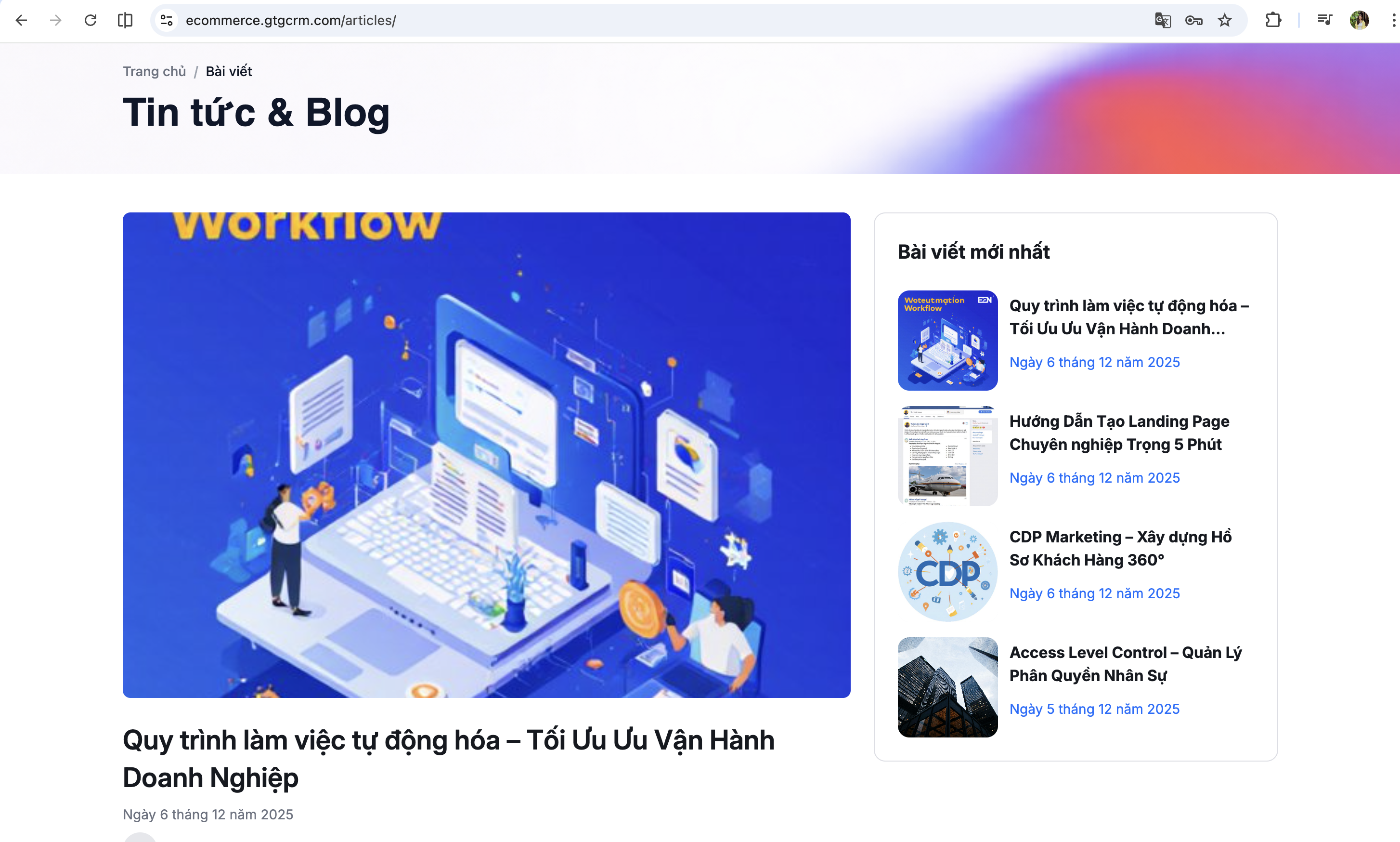
Δομή σελίδας blog:
- Σελίδα λίστας (Blog listing): Εμφανίζει τα πιο πρόσφατα άρθρα, σελιδοποίηση, sidebar με προβεβλημένα άρθρα
- Σελίδα άρθρου (Blog detail): Τίτλος, featured image, περιεχόμενο, CTA στο τέλος του άρθρου, σχετικά άρθρα
Το GTG CRM ενσωματώνει έτοιμα τα ArticleList, FeaturedArticleSlider και το πρότυπο ArticleDetail - δημιουργώντας αυτόματα μια επαγγελματική διάταξη blog με thumbnail, περίληψη, συγγραφέα, ημερομηνία. Εσείς απλώς γράφετε το περιεχόμενο και δημοσιεύετε.
Σελίδα Επικοινωνίας (Contact) - Το πιο σημαντικό κανάλι μετατροπής leads
Ρόλος: Αυτή είναι η κύρια σελίδα μετατροπής κάθε ιστοσελίδας. Το 100% των δυνητικών πελατών θα την επισκεφθεί πριν αποφασίσει να καλέσει ή να συμπληρώσει τη φόρμα.
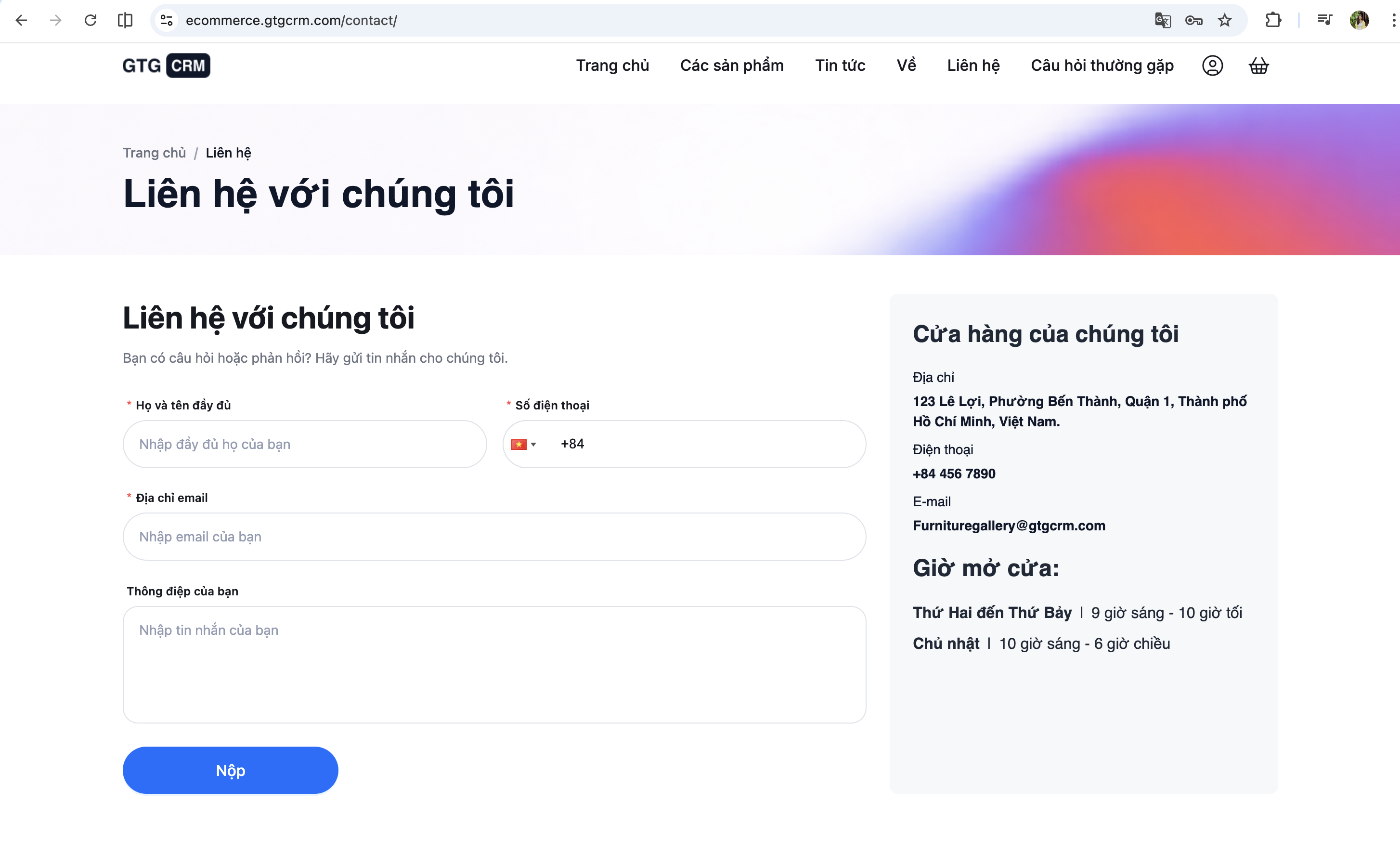
Απαραίτητα στοιχεία:
- Φόρμα επικοινωνίας: Όνομα, Τηλέφωνο, Email, Περιεχόμενο (έως 4-5 πεδία)
- Αριθμός τηλεφώνου: Εμφανίζεται μεγάλος, ευανάγνωστος, με εικονίδιο άμεσης κλήσης (click-to-call σε κινητά)
- Email: Επίσημη διεύθυνση email (όχι προσωπικό Gmail)
- Διεύθυνση γραφείου: Πλήρης αριθμός, οδός, δήμος, πόλη
- Ενσωμάτωση Google Maps: Για να βρίσκουν εύκολα οι πελάτες τον δρόμο
- Ώρες λειτουργίας: Ευδιάκριτες (Π.χ.: "Δευτέρα-Παρασκευή: 8:00-17:30, Σάββατο: 8:00-12:00")
- Σύνδεσμοι social media: Facebook, Zalo, LinkedIn...
Γιατί είναι σημαντικό για το SEO:
- Η συνέπεια στο NAP (Όνομα, Διεύθυνση, Τηλέφωνο) ενισχύει το Τοπικό SEO
- Το Google My Business και ο ιστότοπος πρέπει να έχουν 100% ίδιες πληροφορίες
- Το Schema markup LocalBusiness βοηθά στην εμφάνιση του Knowledge Panel
Σημάδια εμπιστοσύνης:
- Chatbot ή "Online βοηθός"
- "Απάντηση σε 2 ώρες"
- Πραγματικές φωτογραφίες γραφείου/εκθεσιακού χώρου
Το GTG CRM παρέχει 5 παραλλαγές Ενότητας Φόρμας (από απλή έως σύνθετη), ενσωματωμένη Ενσωμάτωση Google Maps, ενότητα Κοινωνικών Συνδέσμων, ακόμα και κυμαινόμενο Banner Επικοινωνίας για να μπορούν οι πελάτες να επικοινωνήσουν ανά πάσα στιγμή.
Σελίδα FAQ - Το μυστικό όπλο για τη μείωση του bounce rate και την κατάληψη Featured Snippet
Ρόλος: Η σελίδα FAQ (Frequently Asked Questions - Συχνές Ερωτήσεις) βοηθά:
- Στην προληπτική απάντηση στις απορίες των πελατών → μείωση ανησυχίας → αύξηση μετατροπών
- Στη μείωση του bounce rate, επειδή οι πελάτες βρίσκουν αμέσως τις απαντήσεις τους
- Χρυσή ευκαιρία για να εμφανιστείτε στο Featured Snippet της Google (το κουτί απάντησης στην κορυφή της σελίδας)
Γιατί η Google αγαπά τις FAQ:
- Το περιεχόμενο σε μορφή Ε&Α είναι πολύ εύκολο στην κατανόηση
- Μπορεί να εφαρμοστεί Schema markup FAQ → η Google εμφανίζει αναπτυσσόμενες επιλογές απευθείας στα αποτελέσματα αναζήτησης
- Βελτιστοποιημένο για φωνητικές αναζητήσεις (π.χ. "Ok Google, πόσο κοστίζει ο σχεδιασμός εσωτερικού χώρου;")
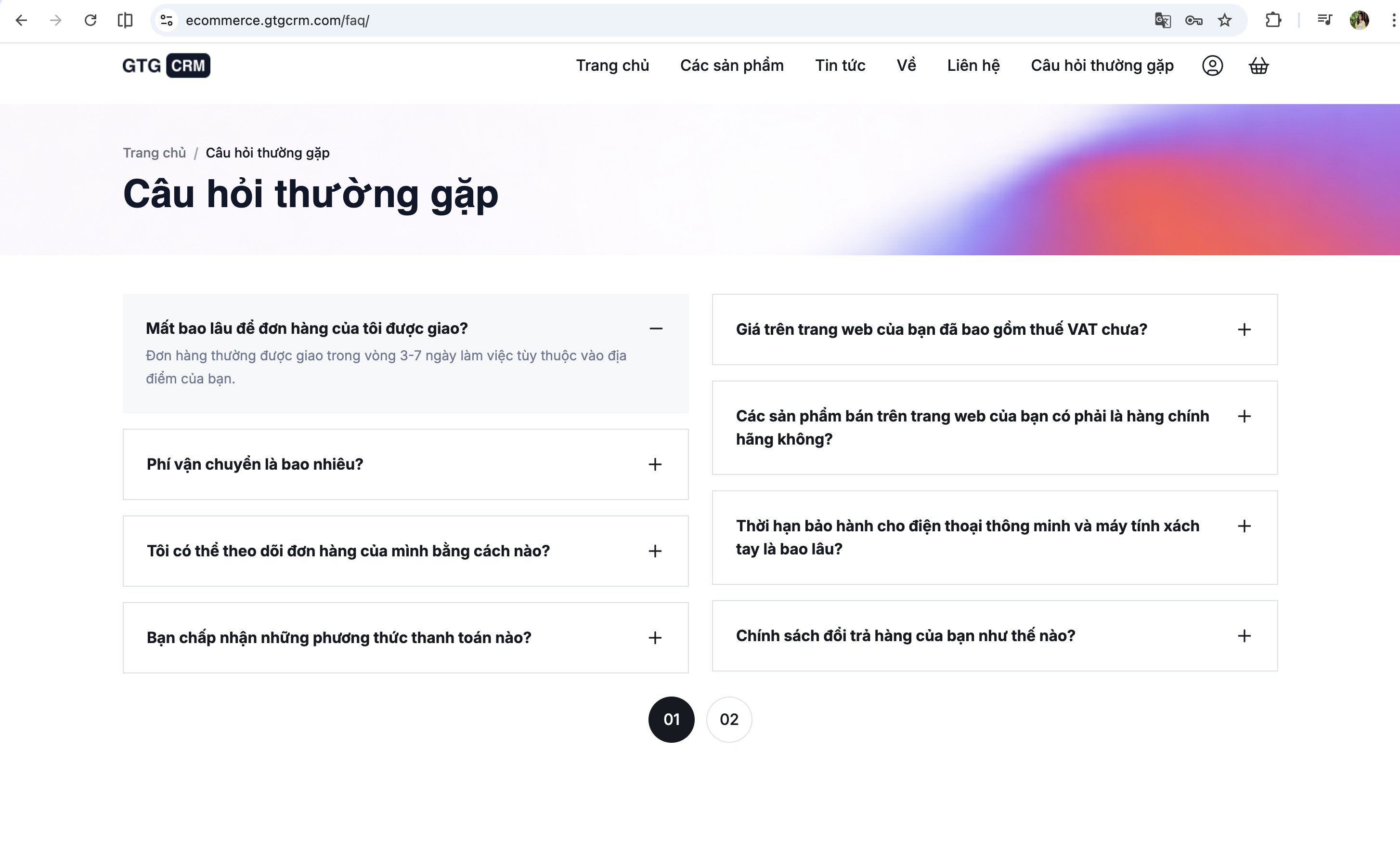
Πώς να δημιουργήσετε μια αποτελεσματική σελίδα FAQ:
- Συλλέξτε τις 10-20 πιο συχνές ερωτήσεις από πελάτες, ομάδες πωλήσεων, τμήματα εξυπηρέτησης πελατών
- Κατηγοριοποιήστε ανά θέμα: "Σχετικά με τις υπηρεσίες", "Σχετικά με τις τιμές", "Σχετικά με τη διαδικασία", "Σχετικά με την εγγύηση"
- Κάθε απάντηση: 50-150 λέξεις, σαφής, με σύνδεσμο προς σχετική σελίδα
- Χρησιμοποιήστε ακορντεόν/αναδίπλωση για τακτοποιημένη εμφάνιση
Παραδείγματα ερωτήσεων για εταιρεία σχεδιασμού εσωτερικών χώρων:
- "Πόσο κοστίζει ο σχεδιασμός εσωτερικού χώρου για ένα διαμέρισμα 70 τ.μ.;"
- "Πόσο καιρό διαρκεί η κατασκευή εσωτερικών χώρων;"
- "Η εταιρεία παρέχει εγγύηση;"
- "Μπορώ να αλλάξω τον σχεδιασμό κατά τη διάρκεια της κατασκευής;"
Το GTG CRM διαθέτει 5 παραλλαγές ενότητας FAQ με όμορφο στυλ ακορντεόν, με αυτόματη ενσωμάτωση Schema markup. Εσείς απλώς εισάγετε τις ερωτήσεις-απαντήσεις, το σύστημα αναλαμβάνει τα υπόλοιπα.
Σελίδα Πολιτικής (Πολιτική Απορρήτου & Όροι Χρήσης) - Συμμόρφωση με τη νομοθεσία = Αύξηση E-E-A-T
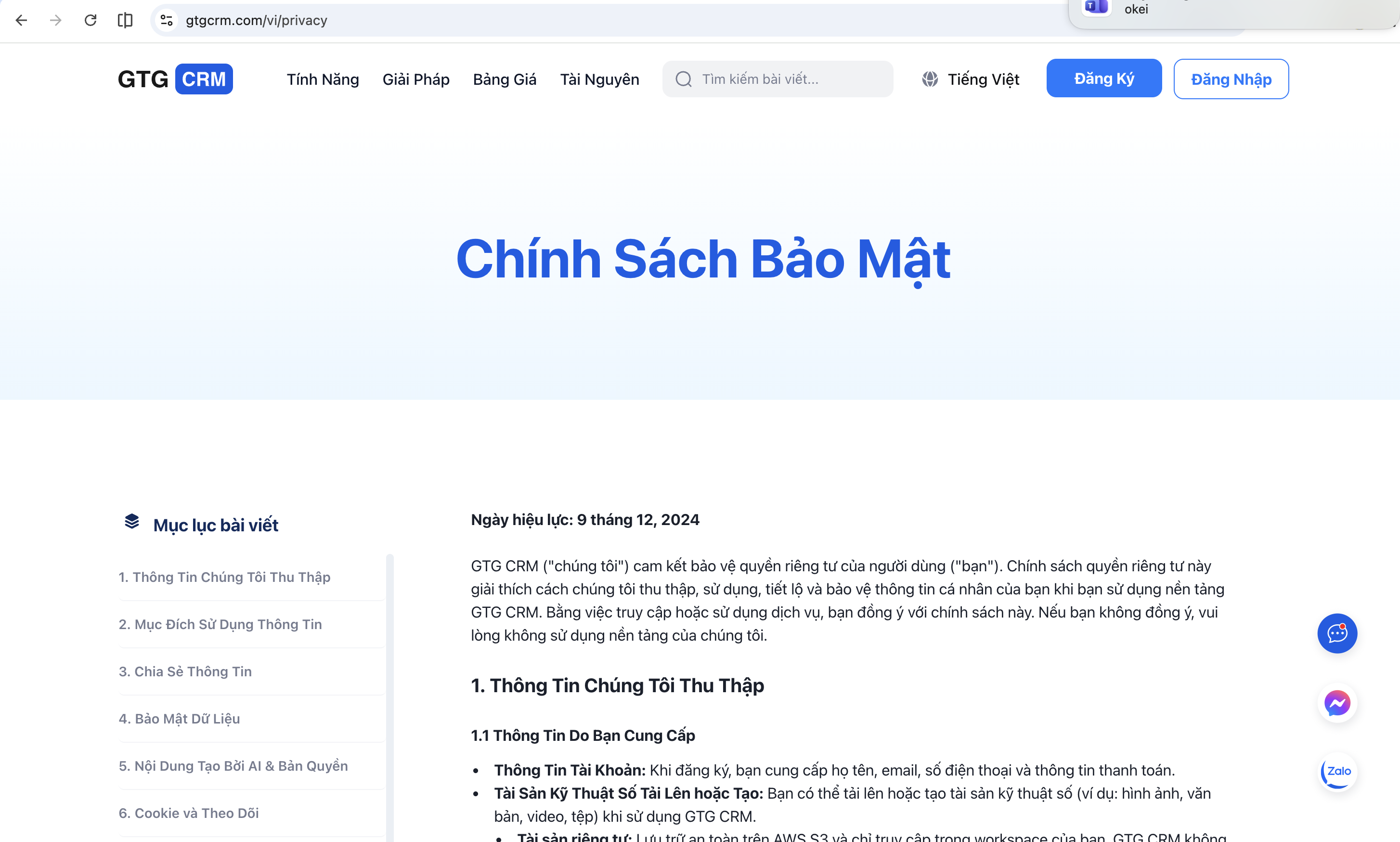
Ρόλος: Πολλές επιχειρήσεις στο Βιετνάμ παραβλέπουν αυτές τις σελίδες, αλλά είναι πολύ σημαντικές για:
- Συμμόρφωση με τη νομοθεσία: GDPR (αν υπάρχουν διεθνείς πελάτες), Νόμος περί Κυβερνοασφάλειας του Βιετνάμ
- Αύξηση E-E-A-T (Εμπειρία, Εξειδίκευση, Αυθεντικότητα, Αξιοπιστία) - παράγοντες που η Google αξιολογεί για την ποιότητα του ιστότοπου
- Αύξηση εμπιστοσύνης: Οι πελάτες βλέπουν έναν επαγγελματικό, διαφανή ιστότοπο
Απαραίτητες σελίδες:
- Πολιτική Απορρήτου
- Ποια προσωπικά στοιχεία συλλέγετε;
- Πώς χρησιμοποιούνται τα δεδομένα;
- Γίνονται κοινοποιήσεις με τρίτα μέρη;
- Δικαιώματα των πελατών
- Όροι Παροχής Υπηρεσιών
- Κανονισμοί χρήσης του ιστότοπου
- Ευθύνες του πελάτη
- Περιορισμός ευθύνης της εταιρείας
- Πολιτική Cookies (αν χρησιμοποιείται παρακολούθηση μέσω cookies)
- Ποια cookies χρησιμοποιεί ο ιστότοπος;
- Έχουν οι πελάτες δικαίωμα άρνησης;
SEO & Εμπιστοσύνη:
- Αυτές οι σελίδες πρέπει να έχουν σύνδεσμο στο footer κάθε σελίδας
- Η Google εκτιμά ιδιαίτερα ιστότοπους με σαφή Πολιτική Απορρήτου
- Εάν πραγματοποιείτε διαφημίσεις Google Ads, η Πολιτική Απορρήτου είναι υποχρεωτική
Το GTG CRM παρέχει έτοιμο Privacy Banner (cookie consent popup) και πρότυπα για τις βασικές σελίδες πολιτικών - χρειάζεται μόνο να συμπληρώσετε τα στοιχεία της εταιρείας σας. Ορισμένες πλατφόρμες προσφέρουν ακόμη και εργαλεία για αυτόματη δημιουργία Πολιτικής Απορρήτου με βάση τον κλάδο σας.
Προηγμένες σελίδες που βοηθούν στην αύξηση των leads και ισχυρότερο SEO
Αν θέλετε να ξεπεράσετε τους ανταγωνιστές σας, σκεφτείτε να προσθέσετε τις ακόλουθες σελίδες:
1. Landing page για κάθε διαφημιστική καμπάνια
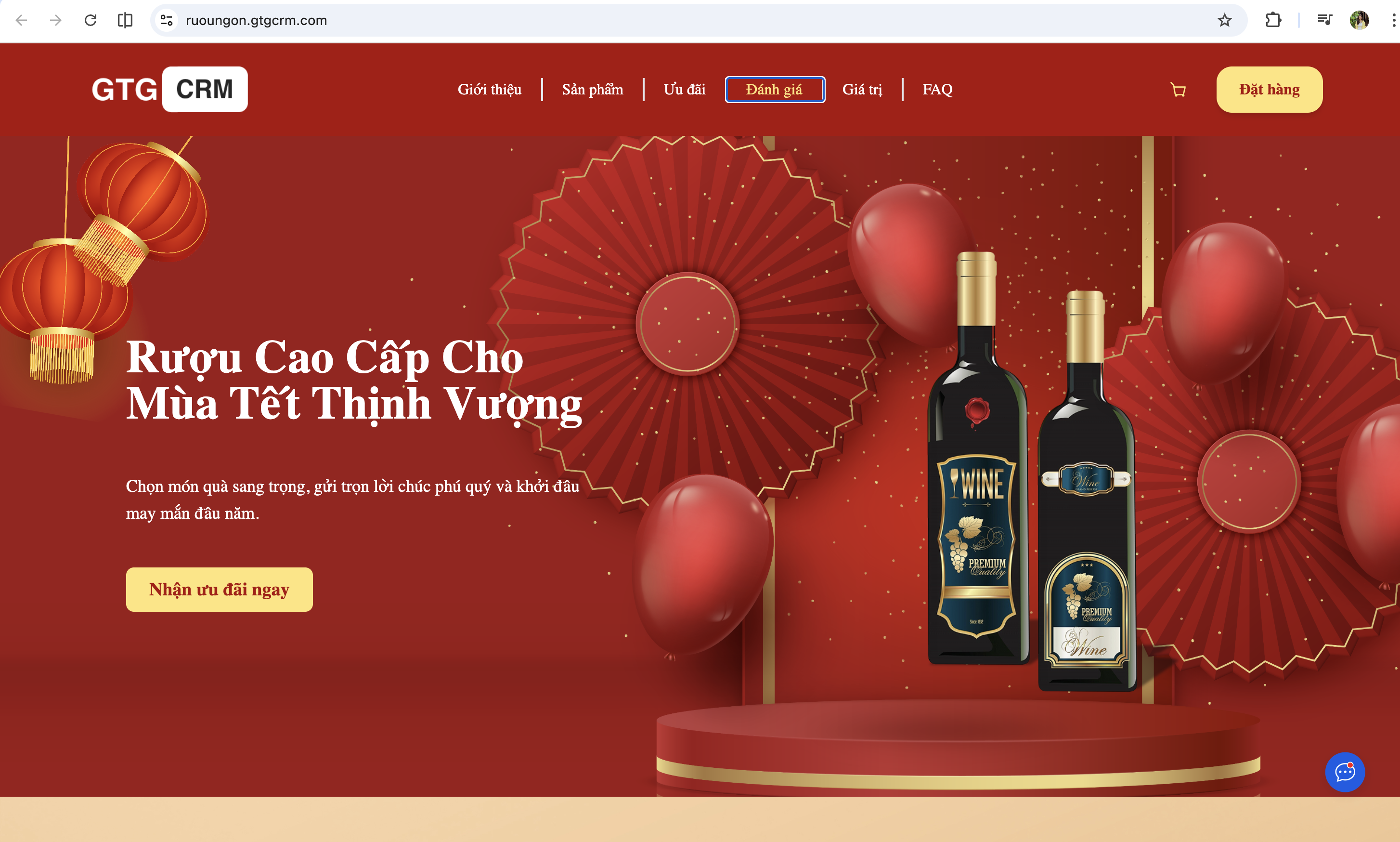
Λόγος: Όταν εκτελείτε διαφημίσεις Google Ads ή Facebook Ads, ΔΕΝ ΠΡΕΠΕΙ να στέλνετε την κίνηση στην αρχική σελίδα. Αντίθετα, δημιουργήστε μια εξειδικευμένη landing page για κάθε καμπάνια.
Παράδειγμα:
- Καμπάνια "Προσφορά Σχεδιασμού Εσωτερικών Χώρων για την Πρωτοχρονιά" → Landing page
/prosfora-protochronia-2026 - Καμπάνια "Δωρεάν Συμβουλευτική για Εσωτερικούς Χώρους" → Landing page
/symvouleutiki-dorean
Οφέλη:
- Αύξηση Conversion Rate κατά 30-50% σε σύγκριση με την αποστολή στην αρχική σελίδα
- Εύκολος A/B testing για τίτλους, CTA, φόρμες
- Ακριβής παρακολούθηση ROI για κάθε καμπάνια
Παράγοντες αποτελεσματικής landing page:
- Ελκυστικός τίτλος (Π.χ.: "Εξοικονομήστε 30% στο κόστος σχεδιασμού εσωτερικών χώρων - Μόνο έως 31/1")
- Αντίστροφη μέτρηση (δημιουργεί αίσθηση σπανιότητας)
- Σύντομη φόρμα για leads (3-4 πεδία)
- Social proof (αριθμός εγγεγραμμένων πελατών)
- Εικόνες πριν/μετά
Το GTG CRM επιτρέπει τη δημιουργία απεριόριστων landing pages, με ενσωματωμένο Countdown Timer, Lead Form popup, και ακόμη και Thank You Page (σελίδα ευχαριστίας μετά την υποβολή).
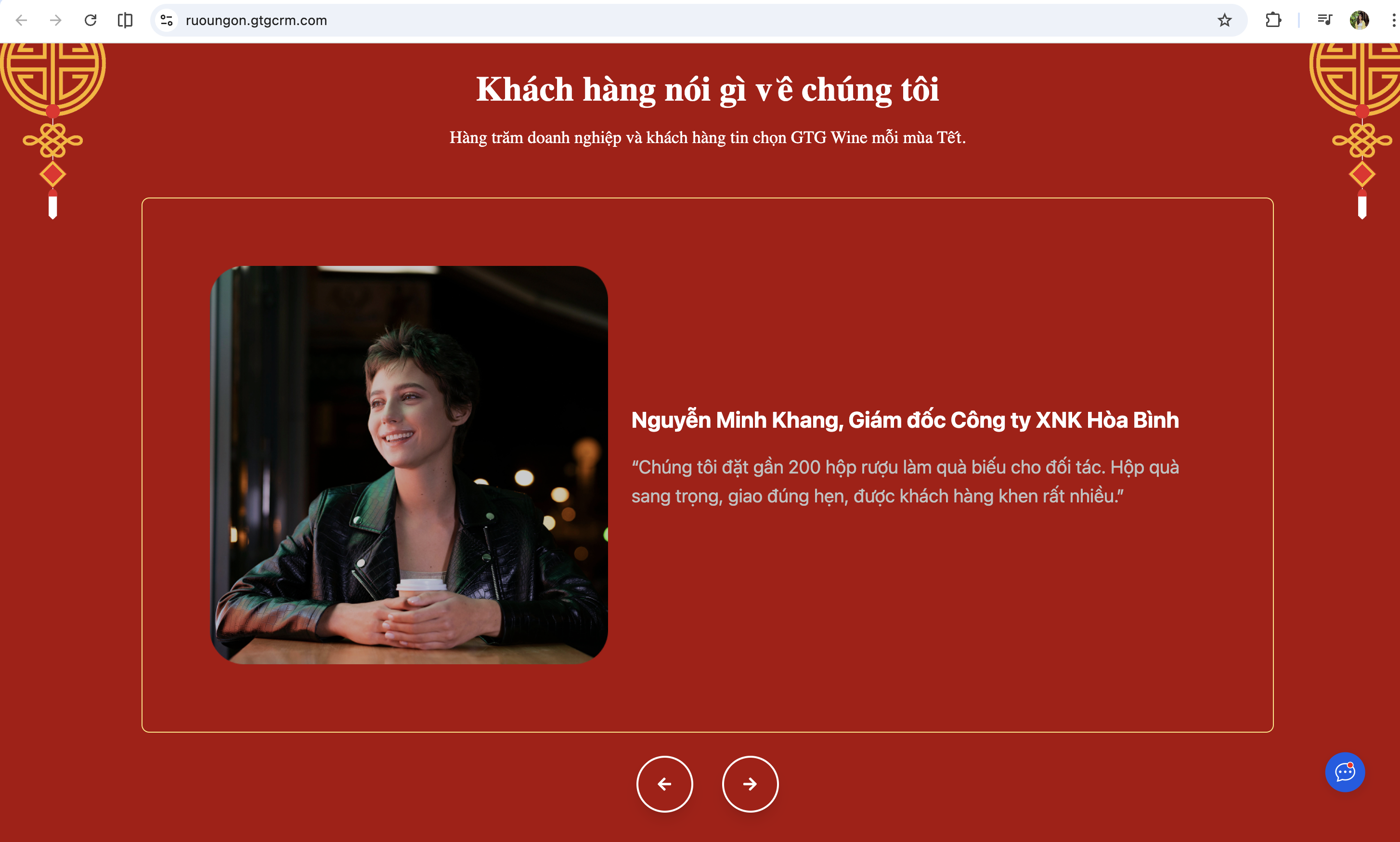
2. Σελίδες Case Study/Portfolio — Το ισχυρότερο social proof
Λόγος: Σύμφωνα με έρευνες, το 92% των B2B πελατών βλέπει case studies πριν αποφασίσει να αγοράσει. Αυτό είναι το ισχυρότερο social proof, ακόμη και πιο ισχυρό από τα testimonials.
Τυπική δομή case study:
- Client & Challenge: Ποιος είναι ο πελάτης; Ποιο το πρόβλημα;
- Solution: Τι κάνατε;
- Result: Συγκεκριμένα αποτελέσματα (αριθμοί, εικόνες πριν/μετά)
- Testimonial: Μαρτυρία από τον πελάτη
Παράδειγμα:
- "Μελέτη Περίπτωσης: Ανακαίνιση διαμερίσματος 80μ2 σε μοντέρνο χώρο — Ολοκλήρωση σε 45 ημέρες"
- "Σχεδιασμός showroom 200μ2 για τη μάρκα μόδας X — Αύξηση πωλήσεων κατά 40%"
Παράγοντες SEO:
- Κάθε μελέτη περίπτωσης είναι μια ξεχωριστή σελίδα
- Τίτλος: "Μελέτη Περίπτωσης: [Όνομα έργου] - [Εντυπωσιακό αποτέλεσμα]"
- Εικόνες υψηλής ποιότητας (πριν/μετά)
- Βίντεο περιήγησης (αν υπάρχει)
Το GTG CRM διαθέτει πρότυπα Portfolio Grid και Case Study Detail Page με before/after slider, τμήμα μαρτυριών και CTA "Δείτε περισσότερα παρόμοια έργα".
Λίστα ελέγχου δομής σελίδας βελτιστοποιημένης για SEO
Για να είναι κάθε σελίδα στην ιστοσελίδα σας βελτιστοποιημένη για SEO, χρησιμοποιήστε αυτή τη λίστα ελέγχου:
| Παράγοντας | Απαίτηση | Παράδειγμα | |
|---|---|---|---|
| Title Tag | 50-60 χαρακτήρες, περιέχει την κύρια λέξη-κλειδί + εμπορικό σήμα | "Σχεδιασμός εσωτερικών χώρων σύγχρονου διαμερίσματος \ | ABC Interior" |
| Meta Description | 150-160 χαρακτήρες, περιγράφει την αξία, περιλαμβάνει CTA | "Υπηρεσίες ολοκληρωμένου σχεδιασμού εσωτερικών χώρων διαμερισμάτων. Δωρεάν συμβουλές..." | |
| H1 Tag | Μόνο 1 H1/σελίδα, περιέχει την κύρια λέξη-κλειδί | "Ολοκληρωμένες υπηρεσίες σχεδιασμού εσωτερικών χώρων διαμερισμάτων στην Αθήνα" | |
| URL Slug | Σύντομο, περιέχει τη λέξη-κλειδί, χρησιμοποιεί παύλες | /yphresies-sxediasmou-esoterikwn-xwrwn-diamerismatwn | |
| Alt Text | Όλες οι εικόνες πρέπει να έχουν alt text που τις περιγράφει | "Σαλόνι διαμερίσματος 80μ2 σε μοντέρνο στυλ" | |
| Internal Links | 2-5 συνδέσμοι προς άλλες σελίδες του ιστότοπου | Σύνδεσμος από το blog προς τη σελίδα υπηρεσιών, από τις υπηρεσίες προς τη μελέτη περίπτωσης | |
| Content Length | Αρχική σελίδα: 300-500 λέξεις· Υπηρεσίες: 800-1.200 λέξεις· Blog: 1.500-2.500 λέξεις | Επαρκώς λεπτομερές, χωρίς spam λέξεων-κλειδιών | |
| CTA | Κάθε σελίδα πρέπει να έχει τουλάχιστον 1 σαφές CTA | "Κλείστε δωρεάν ραντεβού για συμβουλές", "Καλέστε τώρα: 0909123456" |
Εργαλεία SEO ενσωματωμένα για να μην παραλείψετε τίποτα
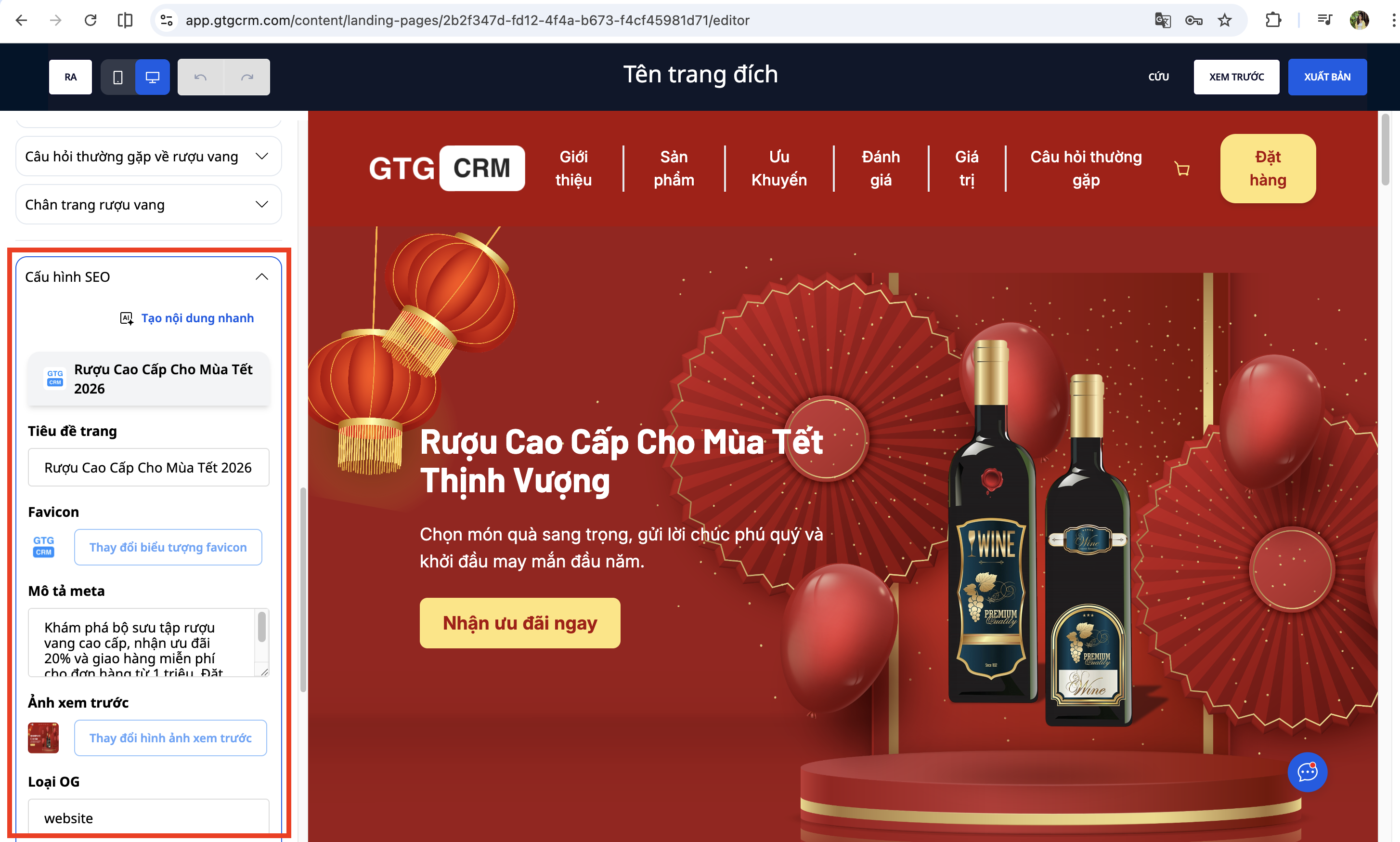
Στην πραγματικότητα, πολλοί marketers και μικρομεσαίες επιχειρήσεις δεν έχουν εξειδικευμένες γνώσεις SEO. Ευτυχώς, σύγχρονες πλατφόρμες δημιουργίας ιστοσελίδων όπως το GTG CRM έχουν ενσωματώσει έξυπνα εργαλεία SEO:
✅ AI για αυτόματη δημιουργία meta title/description: Απλά εισάγετε το περιεχόμενο, και η AI προτείνει βελτιστοποιημένους τίτλους και περιγραφές.
✅ Λίστα ελέγχου SEO σε πραγματικό χρόνο: Κατά τη σύνταξη μιας σελίδας, το σύστημα ελέγχει αυτόματα H1, alt text, internal links, content length...
✅ Αυτόματο Sitemap.xml: Κάθε φορά που προσθέτετε μια νέα σελίδα, το sitemap ενημερώνεται αυτόματα.
✅ Robots.txt με προκαθορισμένα πρότυπα: Επιλέξτε το κατάλληλο πρότυπο για τον κλάδο σας, χωρίς να χρειάζεται να γράψετε κώδικα.
✅ Αυτόματο Schema markup: FAQ, LocalBusiness, Article... όλα είναι προεγκατεστημένα.
Αποτέλεσμα: Δεν χρειάζεται να προσλάβετε ειδικό SEO, έχετε μια ιστοσελίδα πλήρως βελτιστοποιημένη για SEO από την αρχή μέχρι το τέλος.
Οδηγίες για τη δημιουργία μιας πλήρους ιστοσελίδας με όλες τις σελίδες σε μόλις 30 λεπτά
Ακούγεται απίστευτο, αλλά με σύγχρονα εργαλεία no-code, μπορείτε να δημιουργήσετε μια εταιρική ιστοσελίδα με 7-10 σελίδες σε μόλις 30 λεπτά:
Βήμα 1: Επιλέξτε ένα πρότυπο ανάλογα με τον κλάδο (3 λεπτά)
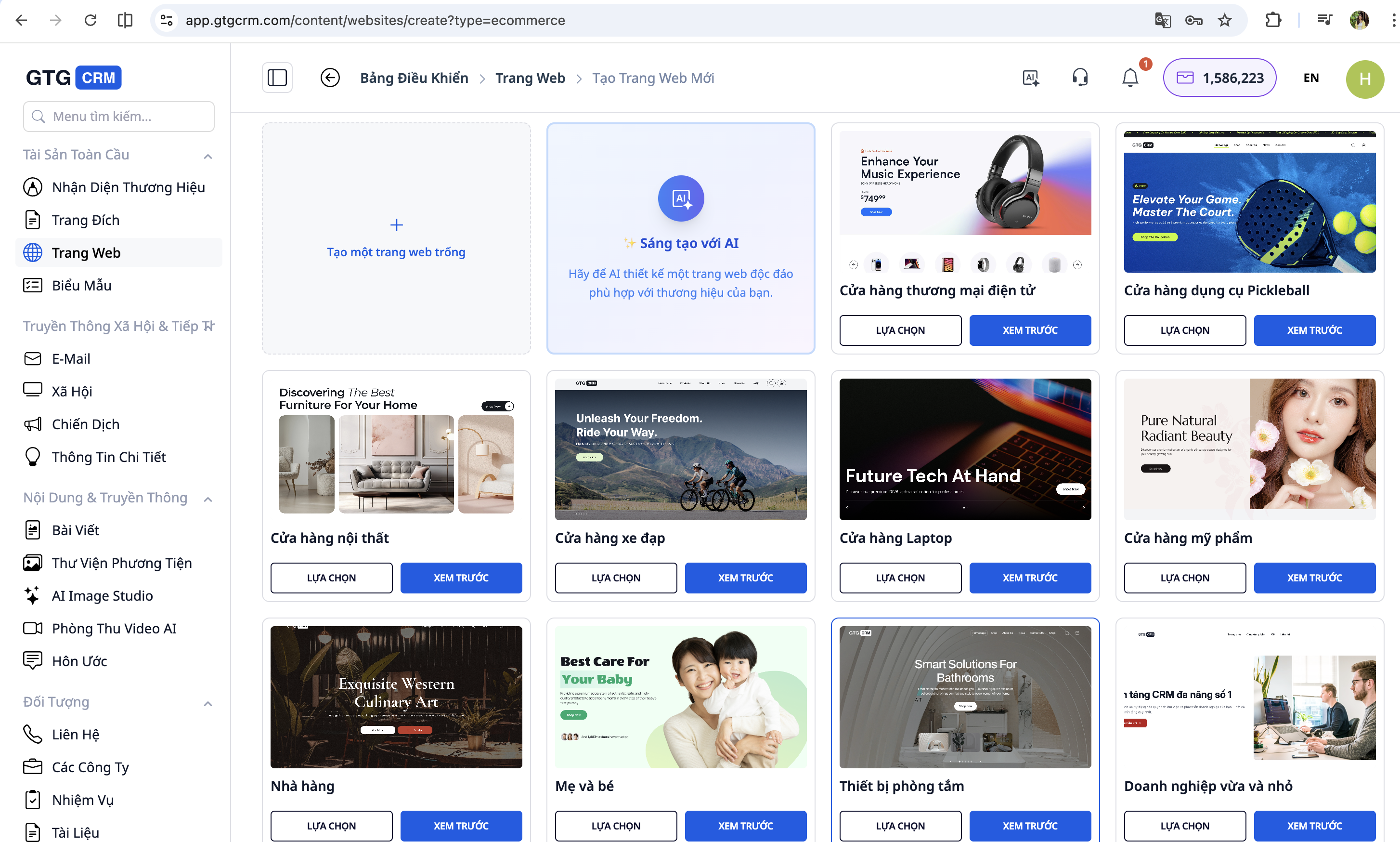
- Το GTG CRM προσφέρει 20+ πρότυπα ανά κλάδο: Έπιπλα, Ακίνητα, F&B, Spa/Αισθητική, Εκπαίδευση...
- Κάθε πρότυπο έχει ήδη δομημένες 7 υποχρεωτικές σελίδες
- Επιλογή προτύπου → Προεπισκόπηση → Χρήση
Βήμα 2: Προσαρμογή Brand Kit (5 λεπτά)
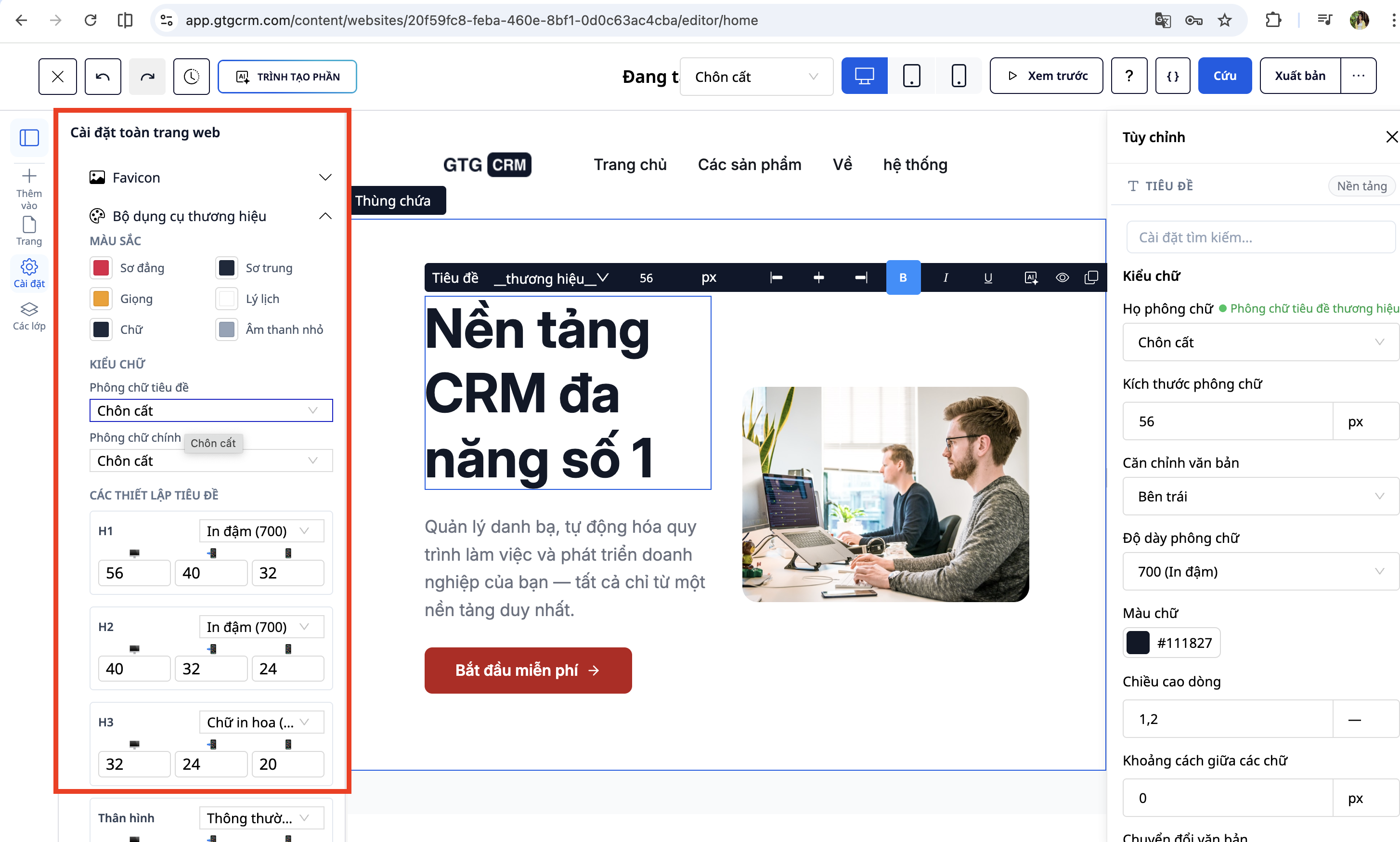
- Ανέβασμα λογότυπου
- Επιλογή χρωμάτων επωνυμίας (κύρια, δευτερεύοντα, έμφασης)
- Επιλογή γραμματοσειράς (υποστηρίζει Google Fonts και βιετναμέζικες γραμματοσειρές)
- Το σύστημα εφαρμόζει αυτόματα το brand kit σε ολόκληρο τον ιστότοπο
Βήμα 3: Drag & drop επεξεργασία περιεχομένου ανά σελίδα (15 λεπτά)
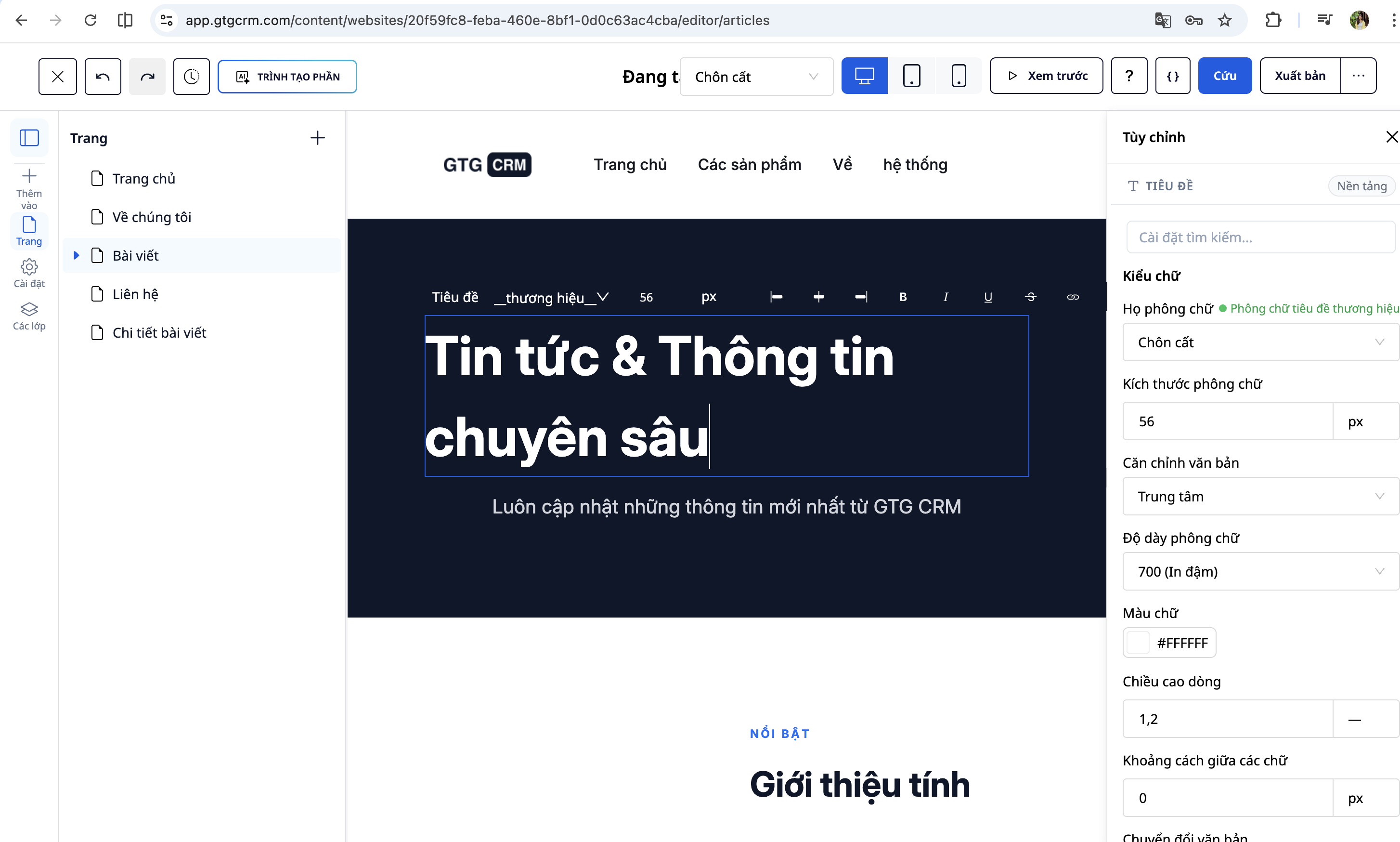
- Διαισθητική διεπαφή drag and drop, χωρίς ανάγκη κώδικα
- Επεξεργασία κειμένου, εικόνων, κουμπιών CTA
- Προσθήκη/διαγραφή/αναδιάταξη ενοτήτων εύκολα
- Προεπισκόπηση σε κινητό/tablet/desktop σε πραγματικό χρόνο
Βήμα 4: Διαμόρφωση SEO ανά σελίδα (4 λεπτά)
- Κάθε σελίδα διαθέτει την καρτέλα "SEO Settings"
- Εισαγωγή τίτλου, περιγραφής, λέξης-κλειδιού εστίασης
- Ή κάντε κλικ στο "AI Generate" για να δημιουργηθεί αυτόματα από την AI
- Έλεγχος βαθμολογίας SEO (το σύστημα βαθμολογεί από 0-100)
Βήμα 5: Εγκατάσταση παρακολούθησης (2 λεπτά)
- Εισαγωγή Facebook Pixel ID
- Εισαγωγή Google Analytics Tracking ID
- Εισαγωγή Google Tag Manager ID (αν υπάρχει)
- Το σύστημα chèn κώδικα στον ιστότοπο αυτόματα
Βήμα 6: Δημοσίευση (1 λεπτό)
- Κάντε κλικ στο "Δημοσίευση"
- Επιλέξτε δωρεάν υποτομέα (π.χ.
congty-abc.gtgcrm.vn) ή συνδέστε δικό σας όνομα τομέα - Ο ιστότοπος είναι άμεσα διαθέσιμος, SSL αυτόματα
Συμπέρασμα
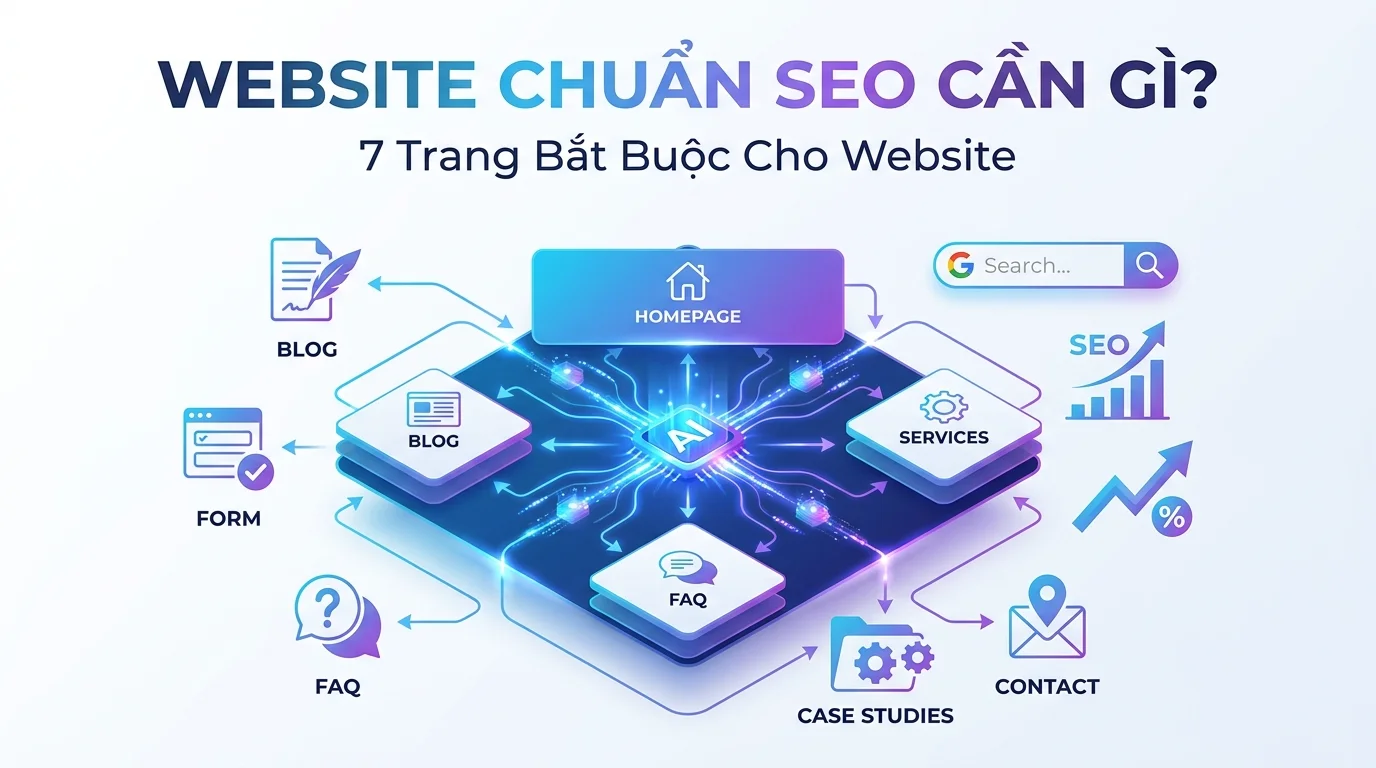
Για να συνοψίσουμε, ένας επιχειρηματικός ιστότοπος βελτιστοποιημένος για SEO χρειάζεται 7 υποχρεωτικές σελίδες:
- ✅ Αρχική σελίδα - Η πρώτη εντύπωση
- ✅ Σελίδα Σχετικά με εμάς - Δημιουργία εμπιστοσύνης
- ✅ Σελίδα Υπηρεσιών/Προϊόντων (μία σελίδα για κάθε υπηρεσία) - Βελτιστοποίηση SEO long-tail
- ✅ Σελίδα Blog/Ειδήσεις - Προσέλκυση οργανικής επισκεψιμότητας
- ✅ Σελίδα Επικοινωνίας - Μετατροπή leads
- ✅ Σελίδα FAQ - Μείωση bounce rate, εμφάνιση σε Featured Snippet
- ✅ Σελίδα Πολιτικής - Συμμόρφωση με τη νομοθεσία, ενίσχυση E-E-A-T
Και αν θέλετε να ξεχωρίσετε, προσθέστε:
- Landing pages για διαφημίσεις
- Case Studies/Portfolio
- Προσαρμοσμένη σελίδα 404
Μετατρέψτε όσα διαβάσατε σε πραγματικά αποτελέσματα — εφαρμόστε τα τώρα με το GTG CRM, δωρεάν.
Εφαρμόστε τώρα