Πολλές μικρές και μεσαίες επιχειρήσεις (ΜΜΕ) έχουν πλέον σελίδες θαυμαστών, προβάλλουν διαφημίσεις, δημοσιεύουν τακτικά, ακόμη και έχουν προληπτικές ομάδες πωλήσεων που παρέχουν συμβουλές. Ωστόσο, όταν οι πελάτες θέλουν να μάθουν περισσότερα, συχνά εξακολουθούν να θέτουν πολύ βασικές ερωτήσεις: Ποια είναι αυτή η επιχείρηση; Είναι αξιόπιστη; Για ποιον έχει εργαστεί στο παρελθόν; Είναι σαφείς οι πληροφορίες; Πού μπορώ να επικοινωνήσω μαζί τους; Ποια είναι η διαδικασία εργασίας τους;
Εδώ είναι που οι ιστότοποι γίνονται ένα κρίσιμο σημείο επαφής.
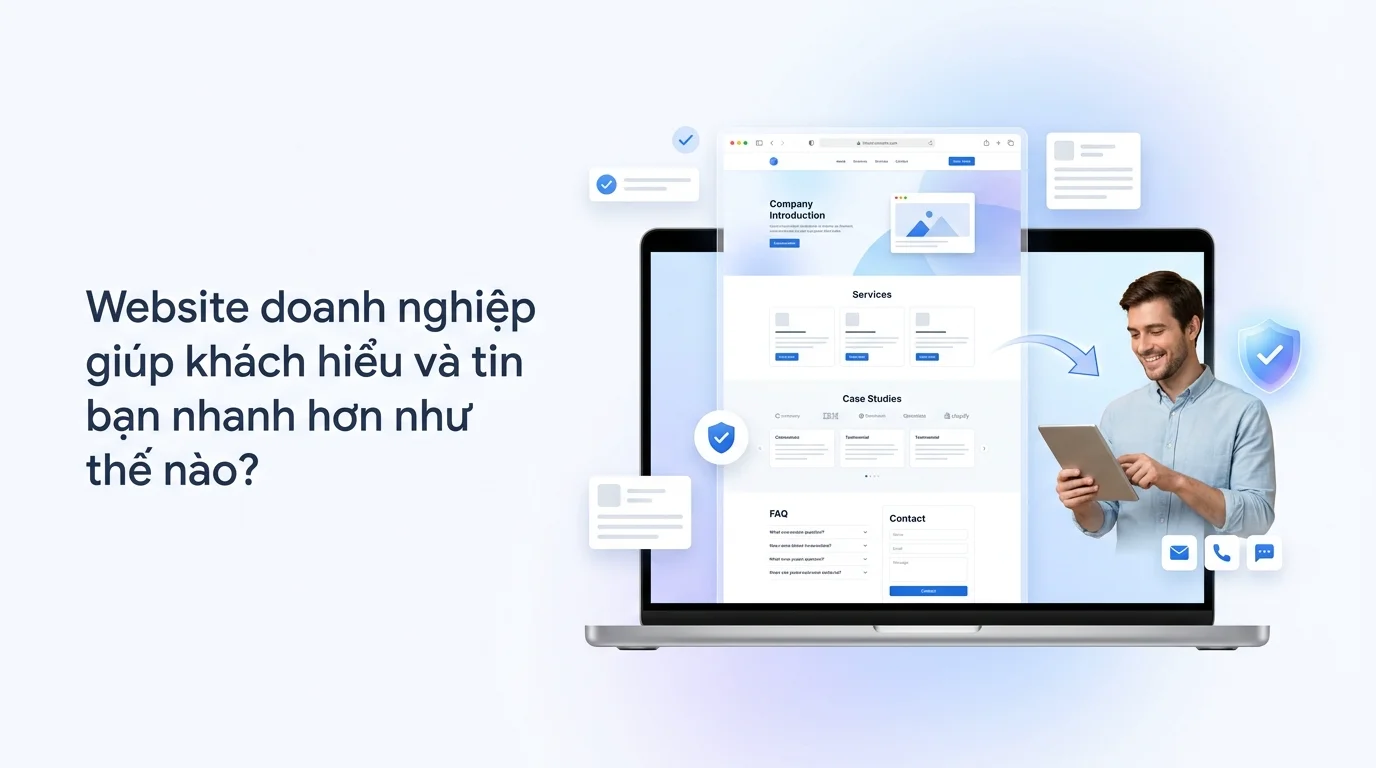
Για πολλούς πελάτες, ένας ιστότοπος είναι κάτι περισσότερο από ένα απλό μέρος για να βλέπουν πληροφορίες. Είναι το μέρος όπου ελέγχουν την αξιοπιστία μιας επιχείρησης πριν αφήσουν τα στοιχεία επικοινωνίας τους, στείλουν ένα αίτημα για διαβούλευση ή λάβουν μια απόφαση αγοράς. Με άλλα λόγια, ένας ιστότοπος δεν βοηθά μόνο τους πελάτες να γνωρίζουν ποιοι είστε. Ένας καλός ιστότοπος βοηθά επίσης τους πελάτες να σας εμπιστευτούν πιο γρήγορα.
Επομένως, εάν μια επιχείρηση θέλει να αυξήσει την διαδικτυακή της αξιοπιστία, να χτίσει μια πιο επαγγελματική εικόνα και να υποστηρίξει καλύτερες μετατροπές, η επένδυση σε έναν ιστότοπο δεν αφορά μόνο την παρουσία. Αφορά την οικοδόμηση εμπιστοσύνης.
Γιατί οι ιστότοποι έχουν τόσο ισχυρό αντίκτυπο στην εμπιστοσύνη των πελατών;
Όταν ένας πελάτης ακούει για την επιχείρησή σας μέσω διαφημίσεων, μέσων κοινωνικής δικτύωσης ή μιας σύστασης από έναν γνωστό, σπάνια παίρνει αμέσως μια απόφαση. Οι περισσότεροι θα περάσουν από μια διαδικασία επαλήθευσης. Αναζητούν το όνομα της επωνυμίας σας στην Google, επισκέπτονται τον ιστότοπό σας, βλέπουν τι κάνετε, αν είναι σαφές και αν είναι επαγγελματικό.
Εάν μια επιχείρηση δεν διαθέτει ιστότοπο εκείνη τη στιγμή ή εάν ο ιστότοπος είναι πολύ στοιχειώδης, δεν έχει πληροφορίες και παρουσιάζεται κακώς, οι πελάτες θα τείνουν να διστάζουν. Δεν πιστεύουν απαραίτητα ότι η επιχείρησή σας είναι κακή. Αλλά δεν έχουν ακόμη επαρκείς λόγους να σας εμπιστευτούν.
Αντίθετα, όταν ένας ιστότοπος δείχνει με σαφήνεια ποια είναι η επιχείρηση, τι προσφέρει, τι έχει κάνει, παρέχει διαφανείς πληροφορίες και έχει σαφή διάταξη, οι πελάτες θα κατανοήσουν πιο γρήγορα και θα αισθάνονται πιο ασφαλείς. Αυτή είναι η μεγαλύτερη αξία ενός ιστότοπου επιχείρησης: η οικοδόμηση εμπιστοσύνης .
Σημάδια ότι οι πελάτες χρειάζονται έναν ιστότοπο για να σας εμπιστεύονται περισσότερο.
1. Οι πελάτες κάνουν επανειλημμένα τις ίδιες βασικές ερωτήσεις.
Εάν η ομάδα πωλήσεων ή εξυπηρέτησης πελατών πρέπει συνεχώς να εξηγεί τι κάνει η επιχείρηση, τις διαδικασίες της, αν έχει εμπειρία και για ποιον έχει εργαστεί στο παρελθόν, αυτό είναι ένα σημάδι ότι ο ιστότοπος δεν κάνει καλή δουλειά στην οικοδόμηση εμπιστοσύνης.
Ένας καλός ιστότοπος θα πρέπει να απαντά σε πολλές ερωτήσεις εκ των προτέρων, ώστε η ομάδα να μην χρειάζεται να ξεκινά από το μηδέν σε κάθε διαβούλευση.
2. Οι επισκέπτες έρχονται να δουν αλλά δεν κάνουν καμία ενέργεια.
Υπάρχουν πολλές περιπτώσεις όπου οι πελάτες έχουν δείξει ενδιαφέρον, έχουν επισκεφτεί τον ιστότοπο, ακόμη και τον έχουν δει για αρκετό καιρό, αλλά ακόμα δεν έχουν συμπληρώσει κάποια φόρμα, δεν έχουν καλέσει ή δεν έχουν στείλει μήνυμα για συμβουλές. Ο λόγος μπορεί να μην είναι το προϊόν, αλλά μάλλον ότι ο ιστότοπος δεν είναι αρκετά ελκυστικός για να τους ενθαρρύνει να συνεχίσουν.
3. Η επιχείρηση έχει διαδικτυακή παρουσία, αλλά δεν προβάλλει επαγγελματική εικόνα.
Μια σελίδα θαυμαστών που λειτουργεί σωστά εξακολουθεί να είναι απαραίτητη. Ωστόσο, μια σελίδα θαυμαστών από μόνη της συχνά δεν αρκεί για να δημιουργήσει την εντύπωση ότι μια επιχείρηση έχει σαφή βάση. Ένας ιστότοπος βοηθά τους πελάτες να σας βλέπουν ως πιο σοβαρούς, επαγγελματίες και αξιόπιστους.
Πώς μπορεί ένας ιστότοπος επιχείρησης να βοηθήσει τους πελάτες να σας καταλάβουν και να σας εμπιστευτούν πιο γρήγορα;
1. Βοηθήστε τους πελάτες να κατανοήσουν την επιχείρησή σας από την πρώτη κιόλας στιγμή.
Ένας καλός ιστότοπος επιτρέπει στις επιχειρήσεις να παρουσιάζουν με σαφήνεια ποιοι είναι, ποιους εξυπηρετούν, ποια προβλήματα επιλύουν και τι τους κάνει να διαφέρουν. Όταν οι επισκέπτες τον επισκέπτονται, δεν χρειάζεται να ξοδεύουν πολύ χρόνο κάνοντας εικασίες.
Σύντομη περίληψη: οι πελάτες γνωρίζουν τι κάνει η επιχείρηση.
Πιο γρήγορα νέα: οι πελάτες βλέπουν ότι η επιχείρηση έχει σαφή τοποθέτηση και επαγγελματική παρουσίαση.
Γι' αυτό η εισαγωγή, ο κύριος τίτλος και το κεντρικό μήνυμα σε έναν ιστότοπο είναι τόσο σημαντικά.
2. Δώστε σαφή μηνύματα για την οικοδόμηση εμπιστοσύνης.
Η διαδικτυακή εμπιστοσύνη δεν πηγάζει από μονόπλευρους ισχυρισμούς όπως «είμαστε αξιόπιστοι». Η εμπιστοσύνη πηγάζει από συγκεκριμένα σημάδια που οι πελάτες μπορούν να δουν και να αξιολογήσουν οι ίδιοι.
Ένας ιστότοπος επιχείρησης θα πρέπει να περιλαμβάνει τους ακόλουθους τύπους περιεχομένου που συμβάλλουν στην οικοδόμηση εμπιστοσύνης:
Σαφείς πληροφορίες εταιρείας: επωνυμία επιχείρησης, κλάδος, στοιχεία επικοινωνίας, διεύθυνση, email ή άλλα βασικά στοιχεία ταυτοποίησης.
Μελέτες περίπτωσης ή ολοκληρωμένα έργα: αυτός είναι ένας εξαιρετικός τρόπος για τους πελάτες να δουν ότι η επιχείρηση δεν απλώς μιλάει, αλλά έχει εμπειρία από τον πραγματικό κόσμο.
Κοινωνική ανατροφοδότηση ή απόδειξη: η ανατροφοδότηση από πελάτες, συνεργάτες, εικόνες από την πραγματική ζωή ή εξαιρετικά αποτελέσματα αυξάνει σημαντικά την αξιοπιστία.
Οι Συχνές Ερωτήσεις είναι σαφείς: όταν οι επιχειρήσεις απαντούν προληπτικά σε συχνές ερωτήσεις, οι πελάτες αισθάνονται καλύτερα καθοδηγούμενοι και λιγότερο διστακτικοί.
Τα στοιχεία επικοινωνίας θα πρέπει να είναι εύκολα προσβάσιμα: ένας ιστότοπος που δεν διαθέτει σαφή στοιχεία επικοινωνίας συχνά μειώνει την εμπιστοσύνη, ειδικά για τους νέους πελάτες.
Ποιες ενότητες ενός ιστότοπου συμβάλλουν συνήθως περισσότερο στην αύξηση της εμπιστοσύνης;
Παρακάτω παρατίθενται τα βασικά στοιχεία που πρέπει να συμπεριλάβει μια επιχείρηση εάν θέλει να ενισχύσει την διαδικτυακή της αξιοπιστία μέσω μιας ιστοσελίδας.
1. Ενότητα Εισαγωγής Εταιρείας
Εδώ είναι που οι πελάτες κατανοούν ποια είναι η επιχείρηση, ποια είναι τα θεμέλιά της και ποια ομάδα πελατών εξυπηρετεί. Αυτή η ενότητα δεν χρειάζεται να είναι πολύ μεγάλη, αλλά πρέπει να είναι σαφής και περιεκτική.
2. Τμήμα Εξυπηρέτησης ή Λύσεων
Οι πελάτες πρέπει να γνωρίζουν τι προσφέρει η επιχείρησή σας. Όσο πιο ξεκάθαρα παρουσιάζετε τις υπηρεσίες σας, τόσο πιο εύκολο θα είναι για αυτούς να αξιολογήσουν εάν καλύπτετε τις ανάγκες τους.
3. Μελέτη περίπτωσης τμήματος ή αντιπροσωπευτικός πελάτης
Αυτό είναι ένα από τα ισχυρότερα σημάδια εμπιστοσύνης. Όταν οι πελάτες βλέπουν ότι μια επιχείρηση έχει εφαρμόσει παρόμοιες λύσεις για άλλους, έχουν μια ισχυρότερη βάση για εμπιστοσύνη.
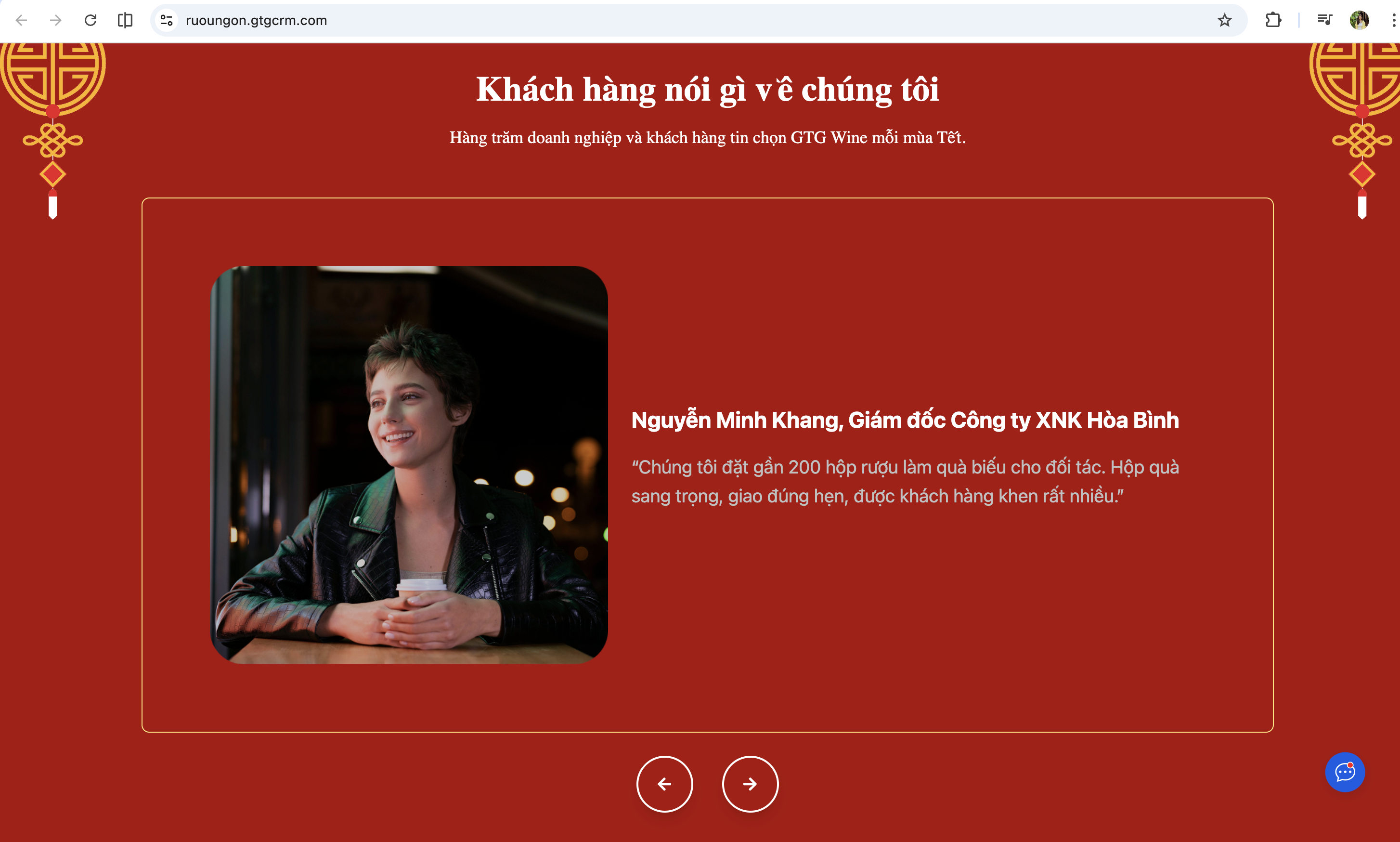
4. Τμήμα Επικοινωνίας
Ένας ιστότοπος εταιρείας με μια αόριστη ή δυσεύρετη ενότητα επικοινωνίας θα μειώσει σημαντικά την εμπιστοσύνη. Το κουμπί επικοινωνίας, η φόρμα ερωτήματος, ο αριθμός τηλεφώνου ή η διεύθυνση email θα πρέπει να τοποθετούνται σε ένα ευδιάκριτο σημείο.
5. Συχνές ερωτήσεις ενότητας
Οι Συχνές Ερωτήσεις δεν προορίζονται μόνο για την απάντηση ερωτήσεων. Είναι επίσης ένας τρόπος για τις επιχειρήσεις να επιδεικνύουν επαγγελματισμό και να αντιμετωπίζουν προληπτικά τις ανησυχίες των πελατών.
Γιατί δεν αρκεί απλώς μια σελίδα θαυμαστών ή ένα προφίλ στα μέσα κοινωνικής δικτύωσης;
Τα μέσα κοινωνικής δικτύωσης είναι εξαιρετικά για την προσέγγιση, την αλληλεπίδραση και την τακτική ενημέρωση περιεχομένου. Αλλά όταν οι πελάτες θέλουν να αξιολογήσουν τη σοβαρότητα μιας επιχείρησης, συχνά χρειάζονται μια πιο δομημένη πλατφόρμα.
Οι ιστότοποι επιτρέπουν στις επιχειρήσεις να οργανώνουν προληπτικά τις πληροφορίες σύμφωνα με μια λογική που βασίζεται σε πεποιθήσεις. Οι επισκέπτες μπορούν να κατανοήσουν την επωνυμία, να δουν τις δυνατότητες, να δουν υπηρεσίες, να δουν μελέτες περιπτώσεων και να μάθουν πώς να επικοινωνήσουν με την εταιρεία, όλα σε ένα απρόσκοπτο ταξίδι. Αυτό είναι κάτι που τα μέσα κοινωνικής δικτύωσης συχνά δυσκολεύονται να αντικαταστήσουν πλήρως.
Με άλλα λόγια, τα μέσα κοινωνικής δικτύωσης βοηθούν τους πελάτες να σας βρουν . Ένας ιστότοπος βοηθά τους πελάτες να σας εμπιστευτούν αρκετά ώστε να αναλάβουν δράση .
Ένας ιστότοπος επιχείρησης που χτίζει εμπιστοσύνη δεν χρειάζεται απαραίτητα να είναι υπερβολικά περίπλοκος.
Πολλές επιχειρήσεις πιστεύουν ότι για να έχουν έναν καλό ιστότοπο, πρέπει να επενδύσουν πολλά, να γράψουν πολύ περιεχόμενο ή να δημιουργήσουν μια υπερβολικά πολύπλοκη δομή. Στην πραγματικότητα, αυτό που χρειάζονται οι πελάτες δεν είναι ένας περίπλοκος ιστότοπος. Χρειάζονται έναν ιστότοπο που είναι σαφής, εύκολος στην κατανόηση και εμπνέει επαρκή εμπιστοσύνη.
Ένας αποτελεσματικός ιστότοπος εταιρείας συνήθως χρειάζεται μόνο να κάνει σωστά τα βασικά πράγματα:
Επικοινωνήστε τις σωστές πληροφορίες: Οι πελάτες κατανοούν τι κάνει η επιχείρηση.
Δημιουργήστε μια επαγγελματική εντύπωση: σαφής διεπαφή, συνοπτικό περιεχόμενο και καλή εμπειρία χρήστη.
Παρέχετε σήματα εμπιστοσύνης: συμπεριλάβετε μελέτες περιπτώσεων, στοιχεία επικοινωνίας, συχνές ερωτήσεις και στοιχεία από τον πραγματικό κόσμο.
Οδηγία για δράση: Να έχετε μια σαφή παρότρυνση για δράση (CTA), ώστε οι πελάτες να γνωρίζουν το επόμενο βήμα.
Πώς βοηθάει το GTG CRM τις επιχειρήσεις να χτίσουν εμπιστοσύνη μέσω των ιστοσελίδων τους;
Το GTG CRM βοηθά τις επιχειρήσεις να δημιουργούν ιστότοπους πιο γρήγορα και πιο προληπτικά, ιδιαίτερα κατάλληλο για εταιρείες που θέλουν να βελτιώσουν την διαδικτυακή τους φήμη, αλλά δεν θέλουν να υλοποιήσουν έναν ιστότοπο με υπερβολικά πολύπλοκο τρόπο.
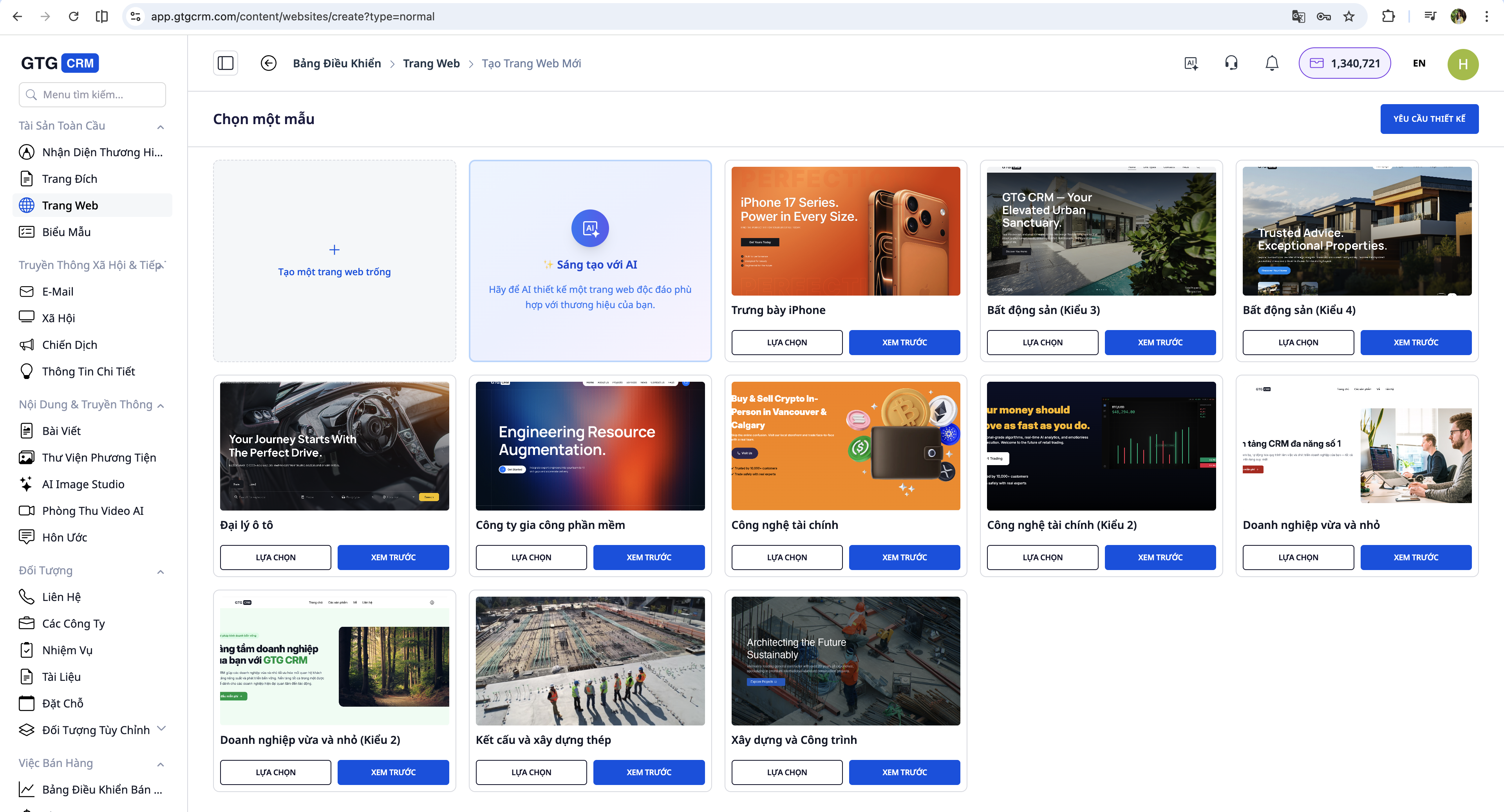
Το σύστημα παρέχει πρότυπα ιστοσελίδων φιλικά προς τις μηχανές αναζήτησης (SEO) , βοηθώντας τις επιχειρήσεις να ξεκινήσουν με μια σαφή δομή, να βελτιστοποιήσουν εύκολα το περιεχόμενο και να δημιουργήσουν μια πιο επαγγελματική εικόνα στο ψηφιακό περιβάλλον.
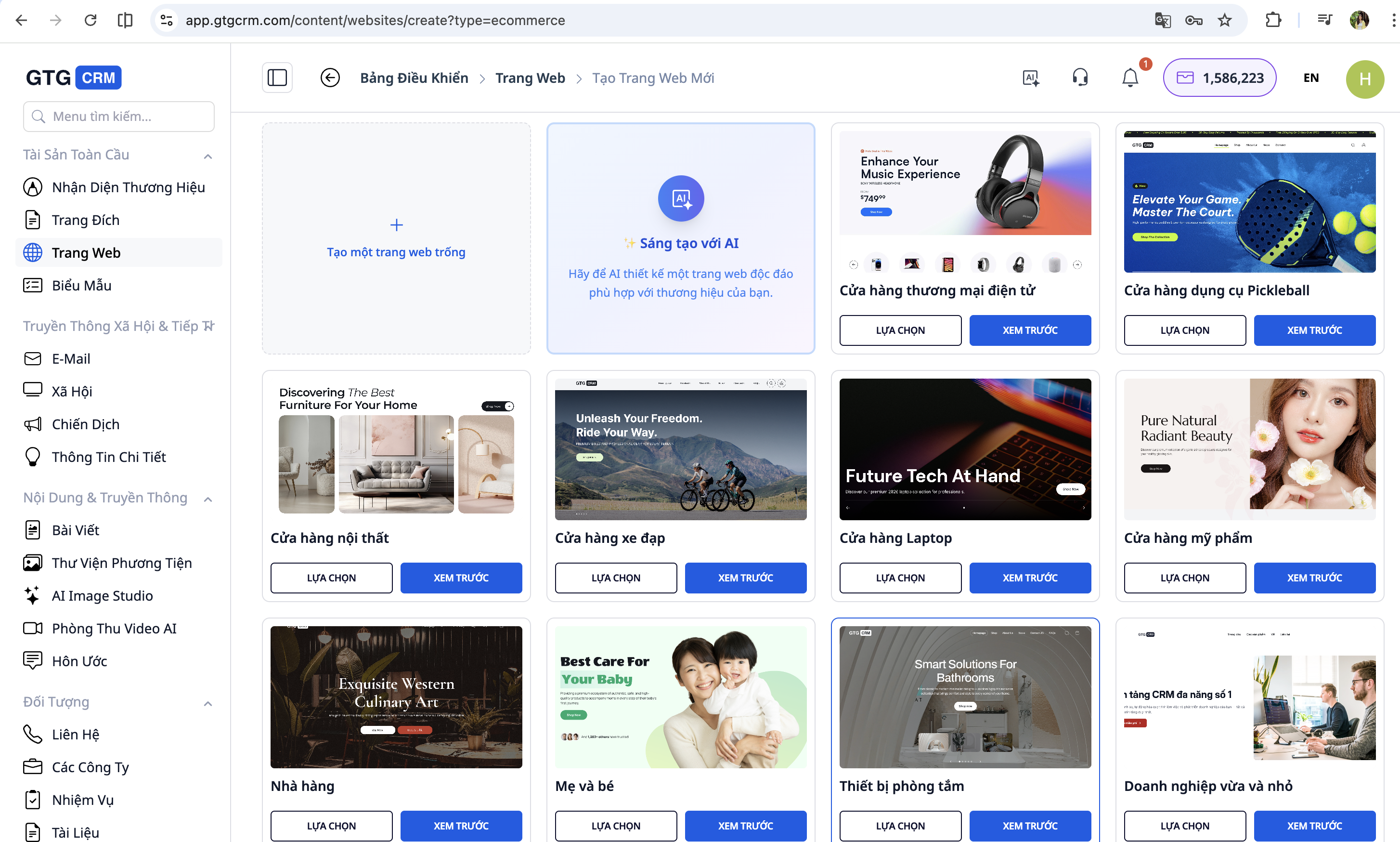
Επιπλέον, το GTG CRM υποστηρίζει τη δημιουργία νέων ιστοσελίδων χρησιμοποιώντας Τεχνητή Νοημοσύνη , μειώνοντας σημαντικά τον χρόνο εκκίνησης. Αυτή είναι μια εξαιρετική λειτουργία για μικρές και μεσαίες επιχειρήσεις που χρειάζονται γρήγορη ανάπτυξη αλλά εξακολουθούν να θέλουν έναν επαγγελματικό ιστότοπο.
Ένα άλλο αξιοσημείωτο πλεονέκτημα είναι ότι η Τεχνητή Νοημοσύνη μπορεί να βοηθήσει στη δημιουργία μεμονωμένων ενοτήτων για έναν ιστότοπο . Αυτό είναι πολύ χρήσιμο όταν οι επιχειρήσεις θέλουν να προσθέσουν σημαντικές ενότητες για να αυξήσουν την εμπιστοσύνη, όπως παρουσιάσεις εταιρειών, μελέτες περιπτώσεων, συχνές ερωτήσεις, παραπομπές σε ενέργειες (CTA) ή ενότητες προσαρμοσμένες στους στόχους της καμπάνιας. Με λίγες μόνο σύντομες περιγραφές, οι επιχειρήσεις μπορούν να δημιουργήσουν γρήγορα σχετικό περιεχόμενο αντί να χρειάζεται να επαναλάβουν τα πάντα χειροκίνητα.
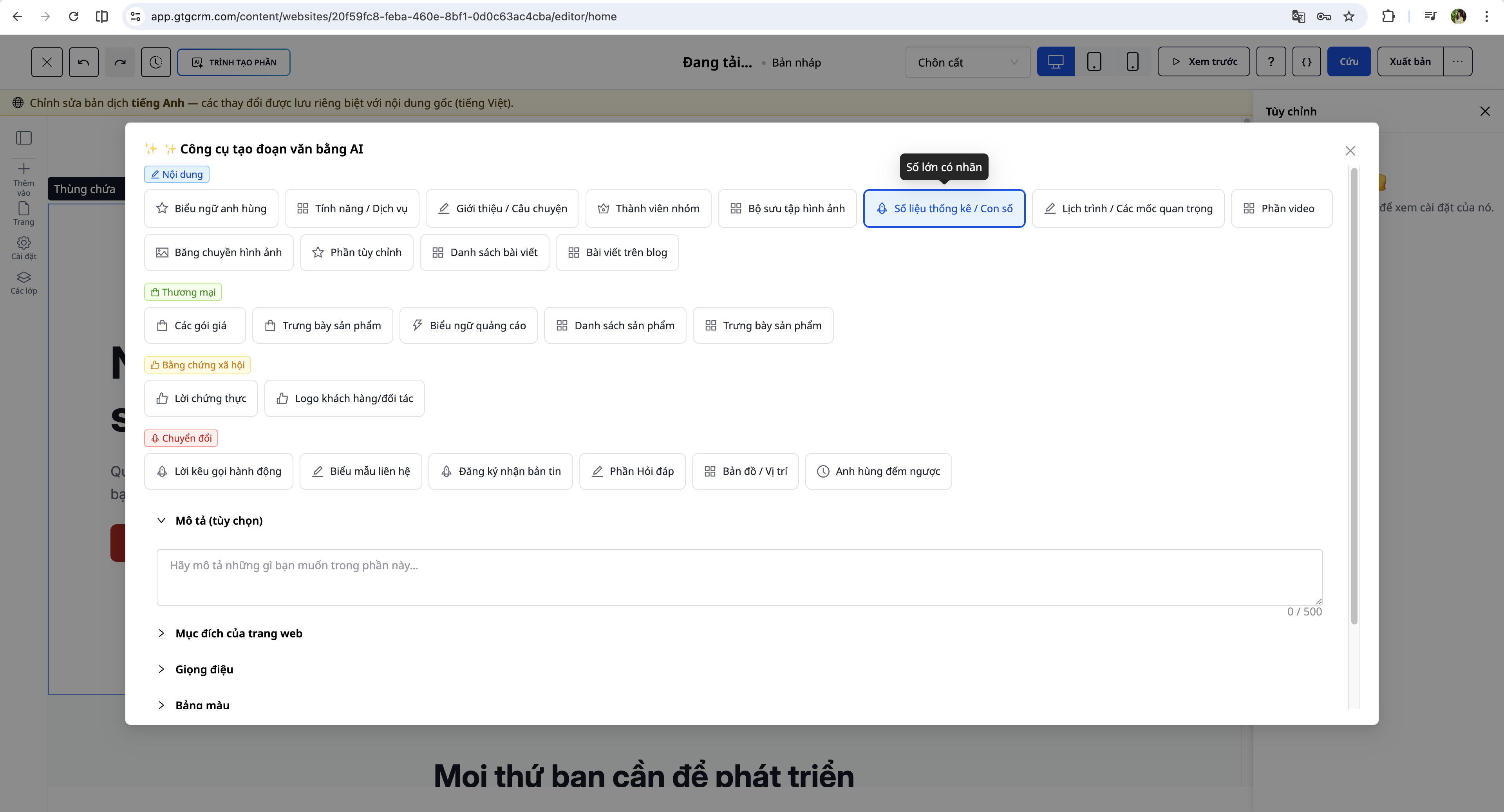 Αυτό σημαίνει ότι οι ιστότοποι δεν αποτελούν πλέον ένα άκαμπτο, δύσκολο στην επεξεργασία στοιχείο. Οι επιχειρήσεις μπορούν να τους ενημερώνουν με ευελιξία, έτσι ώστε ο ιστότοπος να υποστηρίζει ολοένα και περισσότερο την εμπιστοσύνη και τις μετατροπές.
Καταλήγω
Οι πελάτες δεν χρειάζεται απλώς να γνωρίζουν την ύπαρξή σας. Χρειάζονται αρκετούς λόγους για να πιστέψουν σε εσάς.
Σε αυτό το ταξίδι, ο ιστότοπος παίζει καθοριστικό ρόλο. Ένας καλός ιστότοπος βοηθά τους πελάτες να κατανοήσουν την επιχείρηση πιο γρήγορα, να δουν τις δυνατότητές της πιο καθαρά και να αισθάνονται μεγαλύτερη αυτοπεποίθηση όταν λαμβάνουν αποφάσεις για επικοινωνία ή αγορά.
Αν μια επιχείρηση θέλει να αυξήσει την διαδικτυακή της αξιοπιστία , να χτίσει μια πιο επαγγελματική εικόνα και να δημιουργήσει μια καλύτερη βάση για μετατροπές, τότε ένας ιστότοπος δεν αποτελεί πλέον δευτερεύουσα επιλογή. Είναι ένα απαραίτητο πλεονέκτημα.
Με το GTG CRM, οι επιχειρήσεις μπορούν να ξεκινήσουν με πιο βελτιστοποιημένο τρόπο χρησιμοποιώντας πρότυπα ιστοσελίδων φιλικά προς το SEO, δημιουργώντας νέους ιστότοπους από τεχνητή νοημοσύνη και προσθέτοντας τις απαραίτητες ενότητες για την αύξηση της εμπιστοσύνης με λίγες μόνο σύντομες περιγραφές.
Αν θέλετε να δημιουργήσετε έναν ιστότοπο όχι μόνο για προβολή αλλά και για να βοηθήσετε τους πελάτες να σας κατανοήσουν και να σας εμπιστευτούν πιο γρήγορα, τώρα είναι η κατάλληλη στιγμή να ξεκινήσετε με τη σωστή δομή ιστότοπου.
Μετατρέψτε όσα μόλις διαβάσατε σε απτά αποτελέσματα — εφαρμόστε τα τώρα με το GTG CRM, δωρεάν.
Κάντε αίτηση τώρα