Almennt yfirlit yfir leigubílaþjónustu
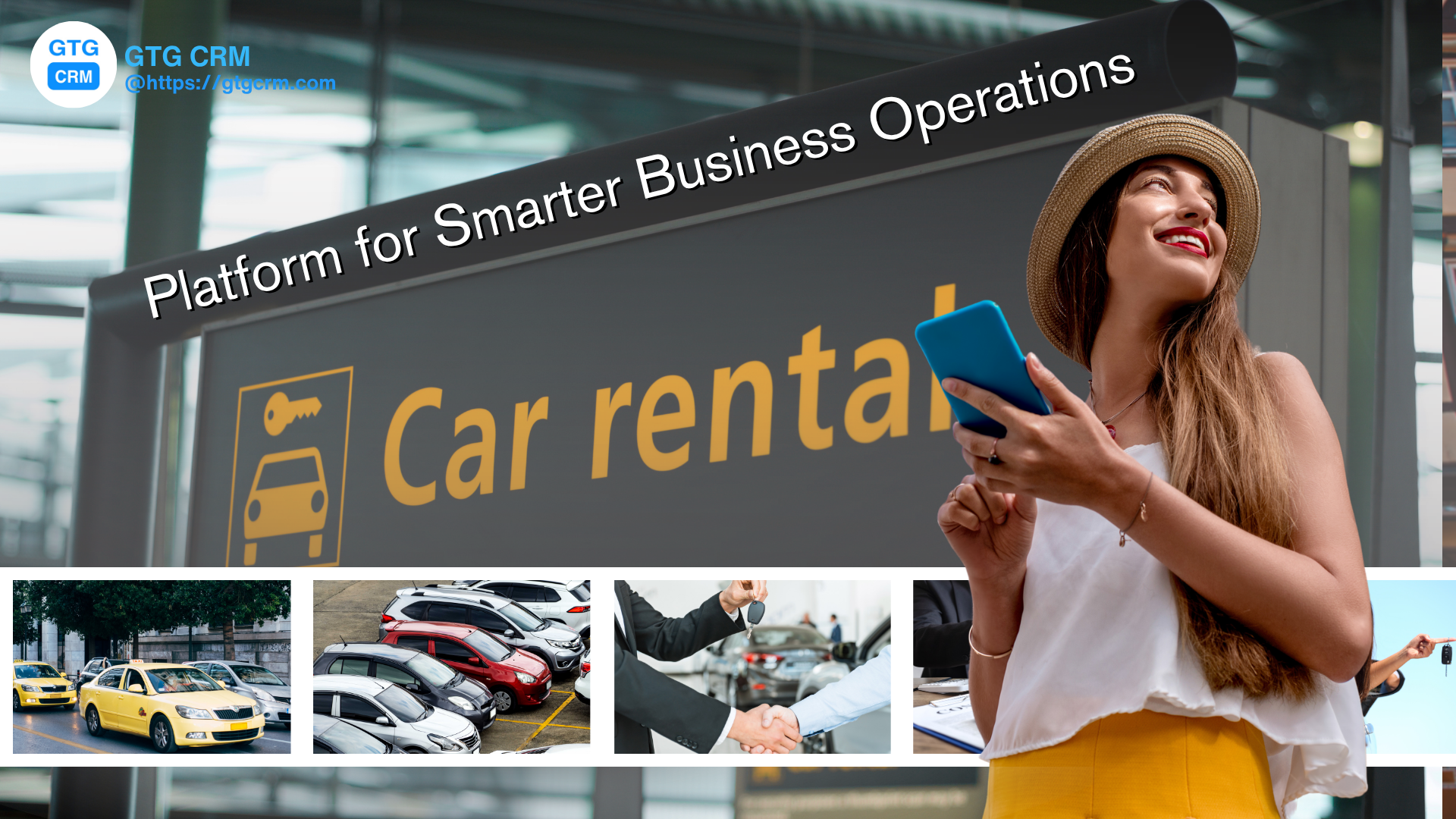
Almennt yfirlit yfir leigubílaþjónustu
Leigubílaþjónusta leigubílaþjónusta er sérstakur hluti af þjónustugeiranum: bæði hefðbundin hefðbundin og krefst strax viðbragða viðskiptavina.
Viðskiptamódel sem virðist einfalt – „með bíl, með viðskiptavin er tekjur“ – en í raun felur í sér marga flókna þætti:
- Ótryggir viðskiptavinir: þeir leita að verði, skjótum viðbrögðum og áreiðanleika; án góðrar upplifunar eru þeir tilbúnir að skipta yfir í annan aðila.
- Ófyrirsjáanlegar pantanir: getur verið hámark á hátíðum, lágmark um miðja viku; dagskrá breytist stöðugt, þarf að uppfæra hratt.
- Mikil háð sölufólki og rekstri: allt keyrir á fólki – símtöl, skilaboð, handvirkar minnispunktar – sem leiðir til villna, að missa af viðskiptavinum eða hægra viðbragða.
Þess vegna eru flest fyrirtæki í greininni „fast í viðbragðssölu líkaninu“, og hafa ekki enn skipt yfir í aðgerðarríkt og gagnadrifið líkan.
Það sem vert er að nefna er – að mörg fyrirtæki í greininni tapa ekki á gæðum þjónustu, heldur á viðbragðshraða og getu til að viðhalda stöðugri upplifun. Á markaði þar sem viðskiptavinir þurfa aðeins að „leita“ og þá koma upp ótal margir birgjar, vinnur það fyrirtæki sem svarar hraðar og faglegra.
Takmarkanir á vexti: Þegar tekjur eru ekki lengur í réttu hlutfalli við viðleitni
Anh Khoa Travel – leigubílafyrirtæki í Ho Chi Minh City – starfaði áður mjög stöðugt með 15 bíla og trygga viðskiptavini. Sex ára reynsla hjálpaði þeim að skilja markaðinn og þekkja ferð viðskiptavina, en einmitt þess vegna fannst þeim takmarkanirnar enn skýrar.
„Við eigum ekki viðskiptavini, en höfum alltaf þá tilfinningu að við séum að missa viðskiptavini einhvers staðar án þess að vita hvers vegna.“ – Anh Khoa, stofnandi, deilir.
Þessi tilfinning kemur ekki frá lélegri viðskiptum, heldur frá sundrung gagna. Hver samskiptarás – Facebook, Zalo, vefsíða – er sér „eyja“. Upplýsingar um viðskiptavini eru dreifðar, skortir samskiptasögu, sem gerir umönnun næstum ómögulega. Tilboð, samningar og bílavöktun eru enn á Excel – sem leiðir til villna, seinkunar á viðbrögðum og tap á vænlegum viðskiptavinum vegna nokkurra mínútna tafa.
Þegar auglýsingakostnaður eykst stöðugt án þess að hægt sé að rekja hvaða viðskiptavinir skila raunverulegum hagnaði, skilur fyrirtækið eftirfarandi: vöxtur með fólki hefur náð takmörkum; verður að skipta yfir í vöxt með kerfum.
Breytingamót: Þegar þjónustufyrirtæki byrja að „hugsa með gögnum“
Anh Khoa Travel valdi GTG CRM ekki til að „fá nýjan stjórnunarhugbúnað“, heldur til að endurbyggja reksturinn.
Í því stað að einbeita sér að „viðskiptavinastjórnun“, miða þeir á stærra markmið – smíða einsleitt, skjótvirkandi og gögnamiðað rekstrarkerfi.
Fyrsta breytingin var hraðinn.
Í leigubílaþjónustu er viðbragðshraði möguleiki á tekjum. Viðskiptavinur spyr um verð á ferð til Đà Lạt – ef engin viðbrögð eru eftir 10 mínútur, er líklegt að þeir hafi þegar bókað annars staðar.
Þegar GTG CRM var tekið í notkun, voru allar samræður frá Facebook, Zalo, vefsíðu sameinaðar í eitt viðmót. Starfsfólk þarf ekki lengur að skipta milli forrita og sérstaklega, AI aðstoðar við að benda á viðeigandi svör beint í spjallglugganum, sem dregur úr meðaltíma viðbragða úr 45 mínútum í 13 mínútur.
En hraðinn er bara upphafið. Djúpari breytingin er hvernig fyrirtæki lítur á – úr samhengislausum verkefnum í mælanlegt ferli.
Í staðinn fyrir „sá sem man eftir viðskiptavinum fylgir þeim“, setur GTG CRM upp skýra söluleið: nýr viðskiptavinur, tilboð lagt fram, bíður staðfestingar, hefur pantað bíl, lokið við. Hverju skrefi er skráð af kerfinu, áminnt um og fylgst með umbreytingarhlutfalli. Eftir 3 mánuði jókst hlutfall viðskiptavina sem svara eftir að hafa fengið tilboð úr 38% í 67%.
Þar af leiðir, Anh Khoa Travel byrjaði að færa sig frá viðbrögðum yfir í virkni.
Með AI Landing Page Builder, geta þeir búið til „Flýtipöntun bíla“ síðu á 15 mínútum, safnað viðskiptavinaupplýsingum og sent þær beint í CRM. Á sama tíma sendir sjálfvirkt flæði staðfestingarpóst, afslætti og áminningar eftir nokkra daga – allt næringarferlið fer fram án þess að þurfa auka starfsfólk.
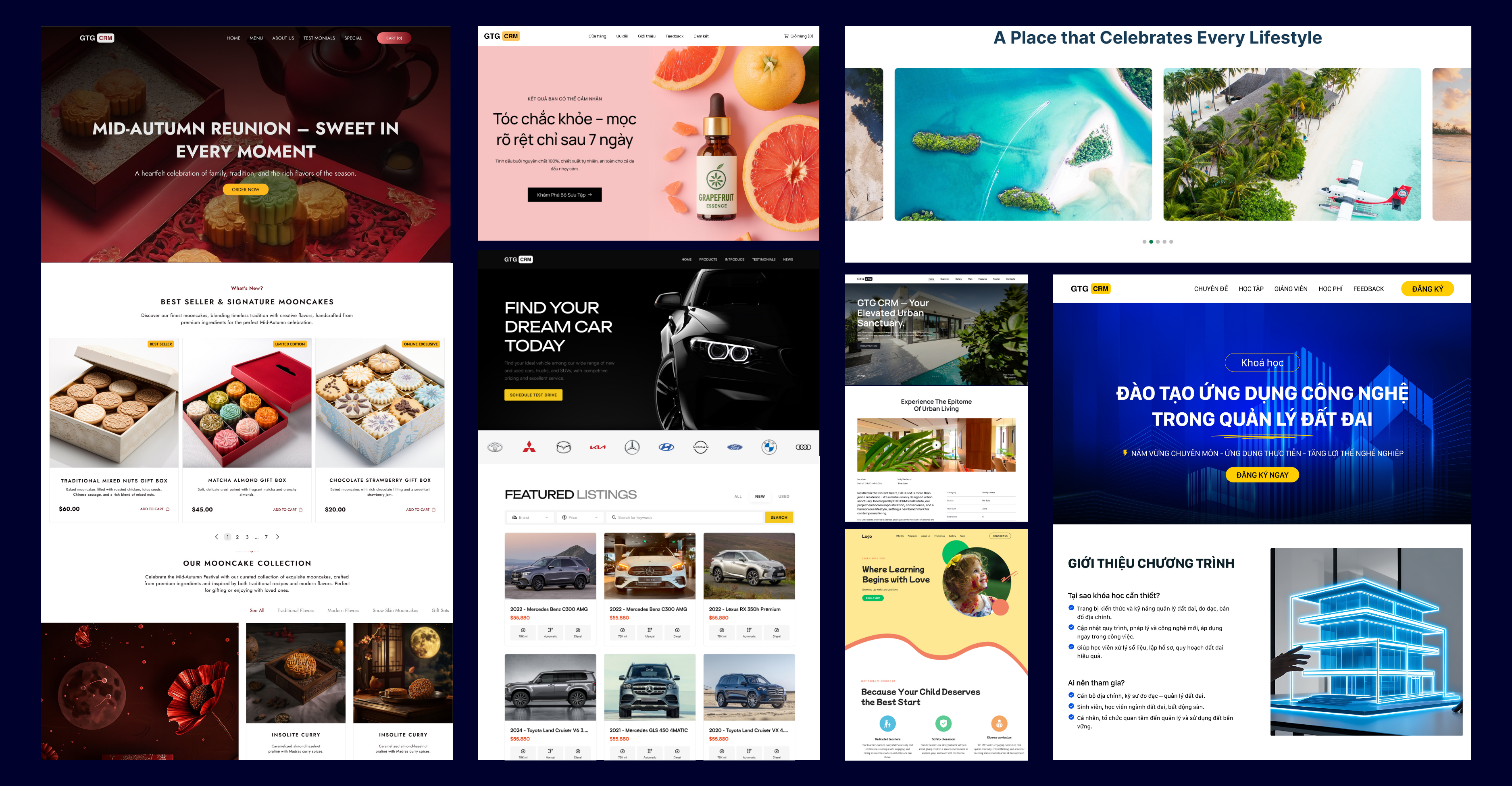
Auðveldara að búa til Landing Page með GTG CRM
Raunverulegt gildi stafrænnar umbreytingar
Þegar litið er til baka eftir þrjá mánuði í notkun, tala tölurnar sínu máli:
- Viðbragðstími minnkaði um 70%.
- Hlutfall viðskiptavina sem svara jókst um 76%.
- Fjöldi bílapantana á mánuði jókst um 42%.
- Hlutfall viðskiptavina sem koma aftur margfaldaðist um 2,5.
En meira gildi liggur í breytingu á vinnumenningu.
Ef áður vann allt starfsfólk eftir persónulegum venjum, vinna þau nú eftir gögnum – vita hvaða viðskiptavinir eru á hvaða stigi, vita hvenær þarf að fylgja eftir, og vita hvaða hegðun skapar umbreytingu.
Fyrirtækið er ekki lengur háð „manneskjunni sem man“ heldur „kerfinu sem man“.
Viðskiptavinir finna greinilega fyrir fagmennsku: sama hvaða leið þeir hafa samband um, fá þeir samræmd viðbrögð og eru kallaðir réttu nafni í hvert skipti sem þeir koma aftur.
Í eðli sínu er þetta ekki bara hugbúnaðarnotkun – heldur breyting á stjórnunarhugsun: frá handvirkri rekstri yfir í gagna-rekstur.
GTG CRM og lærdómur fyrir þjónustufyrirtæki í Víetnam
Í þjónustugreinum sem eru mjög háðar viðbragðshraða og upplifun, liggur samkeppnisforskot ekki í því hve margir starfsmenn eru, heldur í getunni til að sameina gögn og bregðast við sem ein heild.
Þegar all skilaboð, ferðir og viðbrögð eru geymd á sama vettvangi geta lítil fyrirtæki starfað jafnvel og stór fyrirtæki.
Ferlavinnsla hjálpar nýliðum að aðlagast hratt; gögn hjálpa stjórnendum að spá fyrir um og stækka útibú án þess að óttast að „kerfið brotni“.
Þetta er sérstaklega mikilvægt í samhengi þar sem Víetnammarkaðurinn er að ganga inn á tímabil „gagnavæðingar lítilla og meðalstórra fyrirtækja“ – þar sem hugbúnaður er ekki bara tól, heldur rekstrarinnviður.
Niðurstaða: Ekki að skipta fólki út fyrir vélar – heldur að hjálpa fólki að vinna gáfulegra
Stafræn umbreyting, fyrir marga, er enn fjarlægt hugtak. En fyrir fyrirtæki eins og Anh Khoa Travel er þetta raunveruleg saga: þegar fólk byrjar að trúa á gögn, vinnur það betur, hraðar og tekur nákvæmari ákvarðanir.
GTG CRM hjálpar ekki aðeins viðskiptavinastjórnun, heldur verður „rekstrarstoðin“ – þar sem gögn, ferli og fólk tengjast saman.
Og þegar það gerist eru lítil fyrirtæki ekki lengur „veikari leikmenn“ – heldur verða þau samtök sem hafa getu til sjálfbærs vaxtar á sveiflukenndum markaði.
„Ég bjóst ekki við að hugbúnaður gæti breytt því hvernig við rekum fyrirtækið okkar.
En GTG CRM gerir viðskiptavini tryggari, starfsmenn virkari og fyrirtækið mitt getur vaxið sjálfbærari.“
— Anh Khoa, stofnandi Anh Khoa Travel.
Ertu í rekstri þar sem þú leigir út bíla, túra eða flytur fólk?
Ekki bara selja ferðina – byrjaðu að byggja upp viðskiptavinareiðina.
Prófaðu GTG CRM ókeypis í 14 daga til að sjá hvernig fyrirtækið þitt getur brugðist hraðar, nákvæmar og faglegar – frá og með deginum í dag
Fyrirtæki þitt getur líka náð svipuðum árangri — byrjaðu ókeypis.
Byrjaðu ferðina