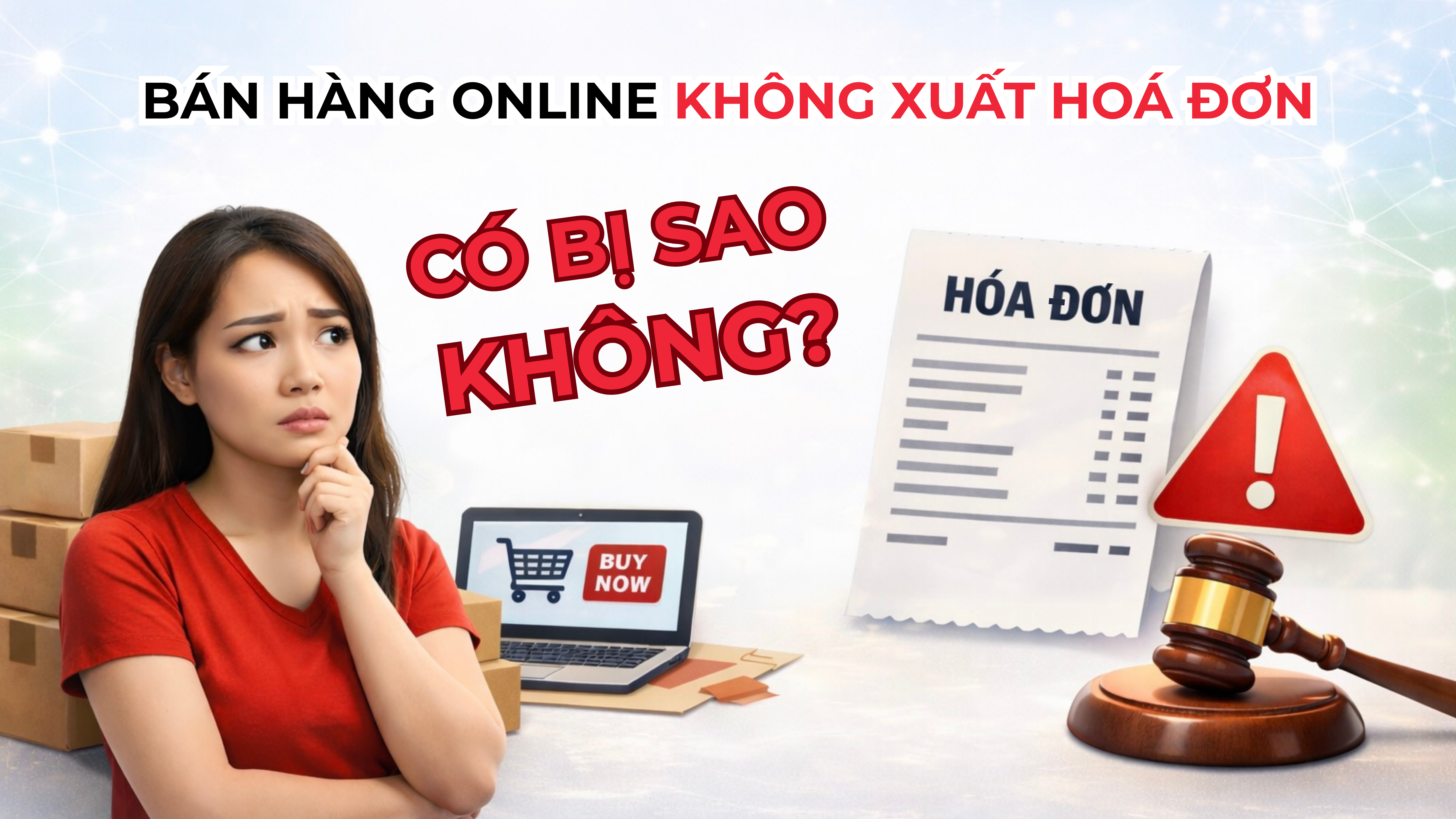
In een periode waarin de belastingdienst de e-commerceactiviteiten, met name de inkomsten op e-commerceplatforms, strenger controleert, is de vraag "wat gebeurt er als je online verkoopt zonder facturen uit te geven" niet langer een theoretische vraag, maar een reële juridische risico voor veel bedrijven.
Dit artikel verduidelijkt de factuurverplichting voor online verkopers, de toepasselijke wettelijke bepalingen, het tijdstip waarop facturen moeten worden uitgereikt en de juridische gevolgen bij niet-naleving.
Is het verplicht om facturen uit te geven bij online verkopen?
Het antwoord is: Ja.
Volgens de Wet op het Belastingbeheer en de bijbehorende regelgeving betreffende facturen, moeten alle verkopen van goederen en diensten die inkomsten genereren, worden gefactureerd, ongeacht:
- Online of offline verkoop
- Verkoop op e-commerceplatforms of via sociale media
- Of de klant om een factuur vraagt of niet
Dat "de klant geen factuur vraagt" creëert geen recht om geen factuur uit te geven.
Voor bedrijven die verkopen op e-commerceplatforms wordt deze verplichting nog strenger gecontroleerd, aangezien de ordergegevens, inkomsten en geldstromen door de platforms worden opgeslagen en op wettelijk verzoek aan de belastingdienst worden verstrekt.
Lees meer: Moeten inkomsten op e-commerceplatforms worden aangegeven voor belastingen?
Toepasselijke wettelijke bepalingen voor online verkopers
Twee kernwettelijke documenten die online verkopers goed moeten kennen:
- Decreet 123/2020/ND-CP: Definieert het algemene wettelijke kader voor facturen en bewijsstukken
- Decreet 70/2025/ND-CP (wijziging en aanvulling): Verduidelijkt de verantwoordelijkheid voor het uitreiken van elektronische facturen bij e-commerceactiviteiten, met name het mechanisme voor gegevensuitwisseling met de belastingdienst
Vanaf 1 juli 2025 is het uitreiken van elektronische facturen voor bedrijven die verkopen op e-commerceplatforms niet langer een aanbevolen beleid, maar een verplichte eis, gecontroleerd via gegevensvergelijking tussen het platform, de vervoerder, de bank en de belastingdienst.
Dit betekent:
- Als er een succesvolle order is maar geen bijbehorende factuur, lopen bedrijven het risico om verklaringen te moeten afleggen en belasting te moeten betalen.
Tijdstip van facturering bij online verkopen
Een veelvoorkomende misvatting is dat er pas een factuur hoeft te worden uitgereikt nadat het geld is ontvangen. Dit is juridisch onjuist.
Volgens de huidige regelgeving is het moment van facturering het moment van overdracht van eigendom of gebruiksrecht van de goederen, ongeacht of het geld al is ontvangen.
Voor online verkopen wordt dit moment over het algemeen beschouwd als:
- De order is succesvol bij de klant afgeleverd
- Of het nu gaat om COD (Cash on Delivery) of vooruitbetaling, dit verandert de verplichting tot facturering niet
Sommige modellen die gebruik maken van kassa's met gegevenskoppeling mogen een dagelijkse geconsolideerde factuur uitreiken, maar moeten ervoor zorgen dat:
- 100% van de gegenereerde inkomsten wordt geregistreerd
- Dit niet wordt uitgesteld naar een latere periode
Het leveren van goederen vóór het factureren of het factureren met terugwerkende kracht wordt beschouwd als facturering op het verkeerde moment.
Lees meer: Alles over elektronische facturen: wanneer uit te geven, hoe om te gaan met fouten
Worden er boetes opgelegd bij online verkopen zonder factuur?
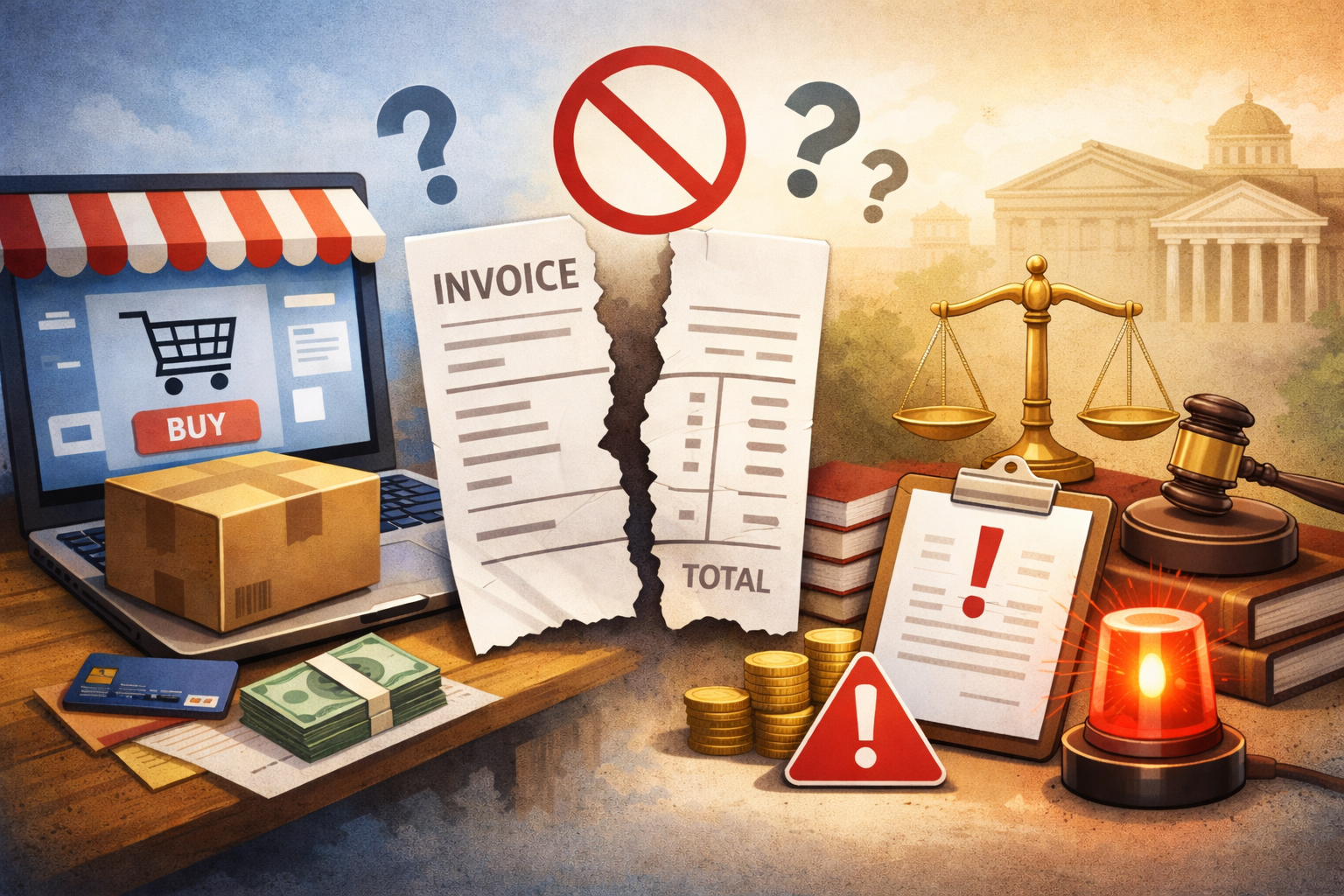
Wat zijn de boetes voor online verkopen zonder factuur?
Ja, en de huidige boetes zijn veel zwaarder dan voorheen.
Volgens de nieuwe boetes kan het niet uitgeven van facturen bij verkoop leiden tot:
- Administratieve boetes voor overtredingen met betrekking tot facturen
- Terugvordering van belastingen over de gehele werkelijke omzet
- Rente op te late betalingen voor de teruggevorderde belasting
Naast de risico's van de belastingdienst, lopen verkopers ook risico's van de e-commerceplatforms zelf. In veel gevallen kunnen verkoopaccounts worden geblokkeerd of activiteiten worden beperkt als wordt vastgesteld dat er niet aan de belastingverplichtingen is voldaan.
Lees meer: Veelvoorkomende juridische risico's bij online ondernemen
Hoe om te gaan met foutief uitgegeven facturen?
Vanaf 01-06-2025 kunnen fouten op elektronische facturen niet meer worden gecorrigeerd door middel van annulering.
Afhankelijk van de aard van de fout moet de verkoper kiezen uit een van de twee opties:
- Corrigerende factuur: Van toepassing wanneer een deel van de inhoud moet worden aangepast (prijs, belasting, hoeveelheid, etc.)
- Vervangende factuur: Van toepassing wanneer de gehele foutief opgestelde factuur moet worden vervangen
Het verkeerd kiezen van de correctiemethode kan ertoe leiden dat de factuur ongeldig is en directe invloed heeft op de belastingaangifte.
Lees meer: Overzicht van vervangende en corrigerende facturen
Praktische oplossingen voor online verkopers
In een tijdperk van steeds transparanter wordende verkoopgegevens, is de veiligste aanpak niet om facturen te "ontwijken", maar om de processen vanaf het begin te standaardiseren.
Huishoudens die online verkopen, moeten:
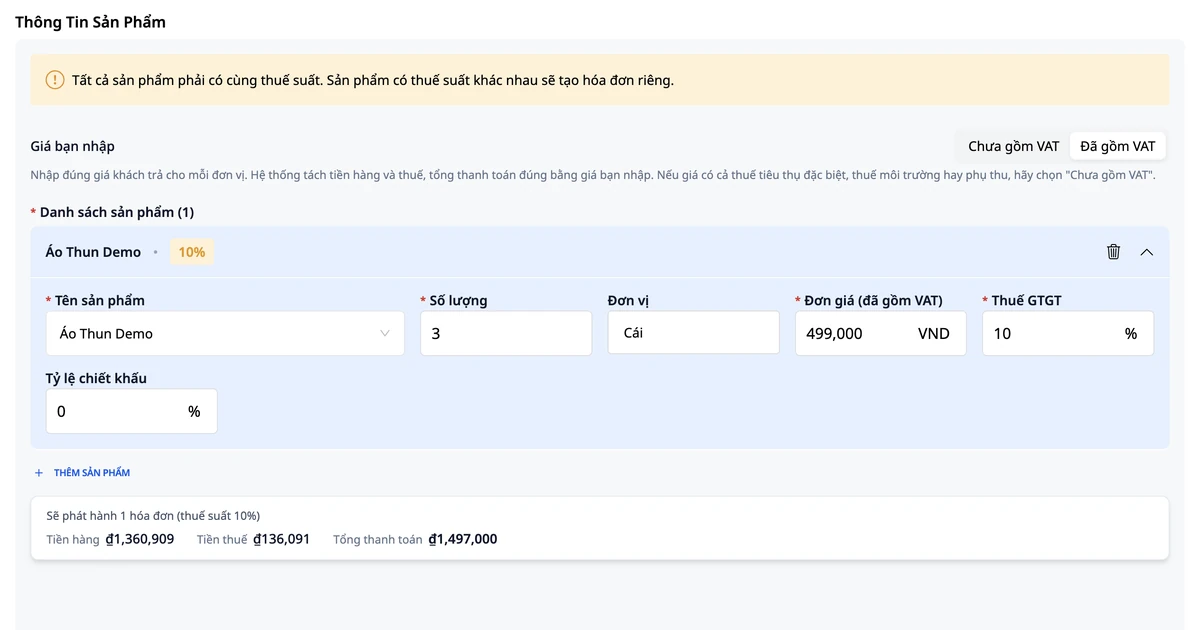
- Een beheersysteem gebruiken dat in staat is om automatisch elektronische facturen uit te geven zodra een bestelling is voltooid
- Gegevens van bestellingen – magazijn – omzet – facturen synchroniseren om afwijkingen te voorkomen
- Een proces hebben voor het afhandelen van retouren, terugbetalingen, factuurcorrecties
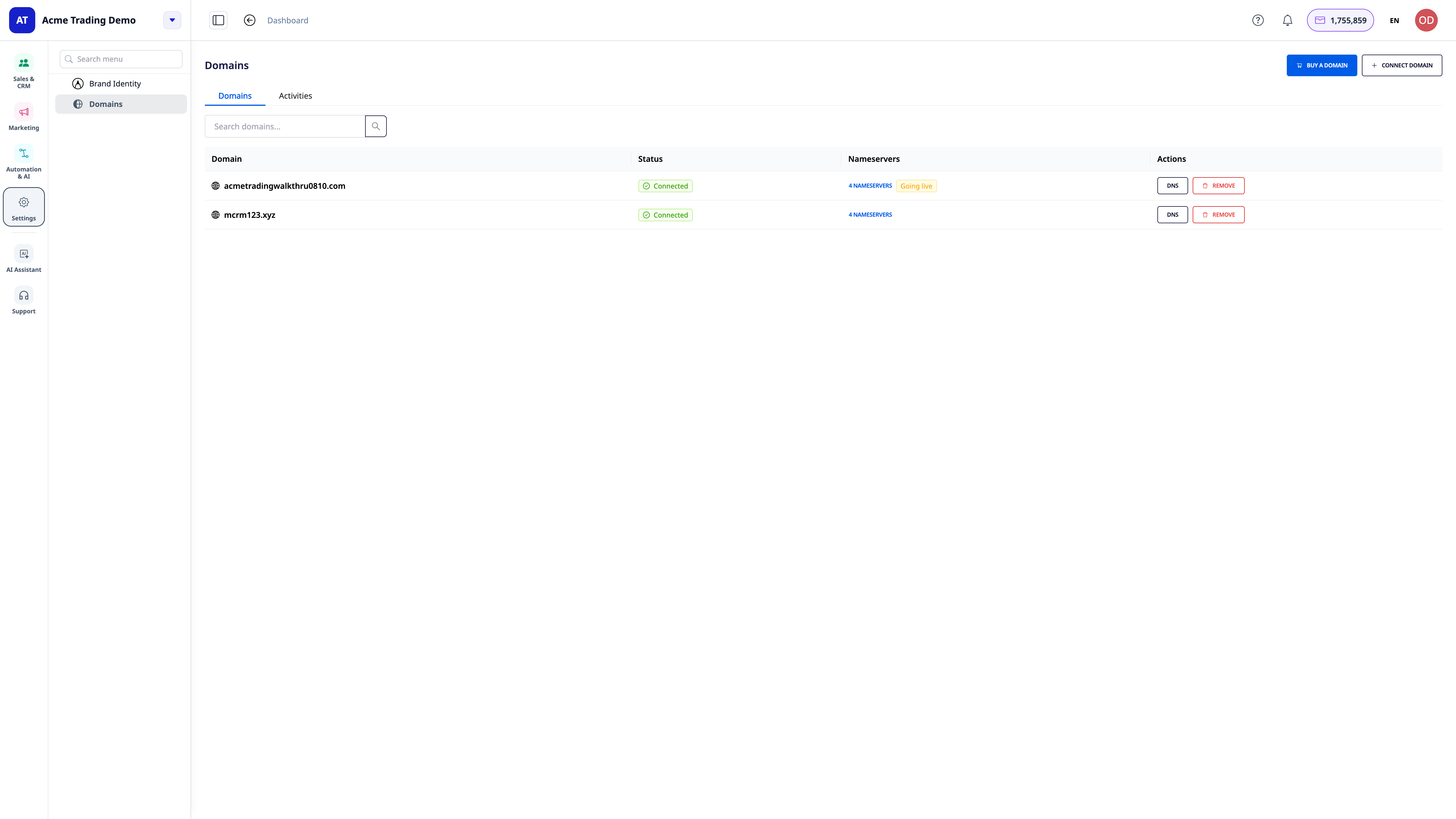
In de praktijk kiezen veel huishoudens voor geïntegreerde beheertools zoals GTG CRM, waarmee het volgende mogelijk is:
- Automatisch elektronische facturen uitgeven via MISA, S-Invoice
- Automatisch vervangende facturen opstellen bij retouren
- Producten integreren en synchroniseren van e-commerceplatforms
- Producten, magazijnvoorraad, leveranciers, bestellingen, logistiek, facturen en boekhoudgegevens beheren op één systeem
Deze aanpak helpt handmatige fouten te verminderen en voldoet aan de controle- en afstemmingsvereisten indien nodig.
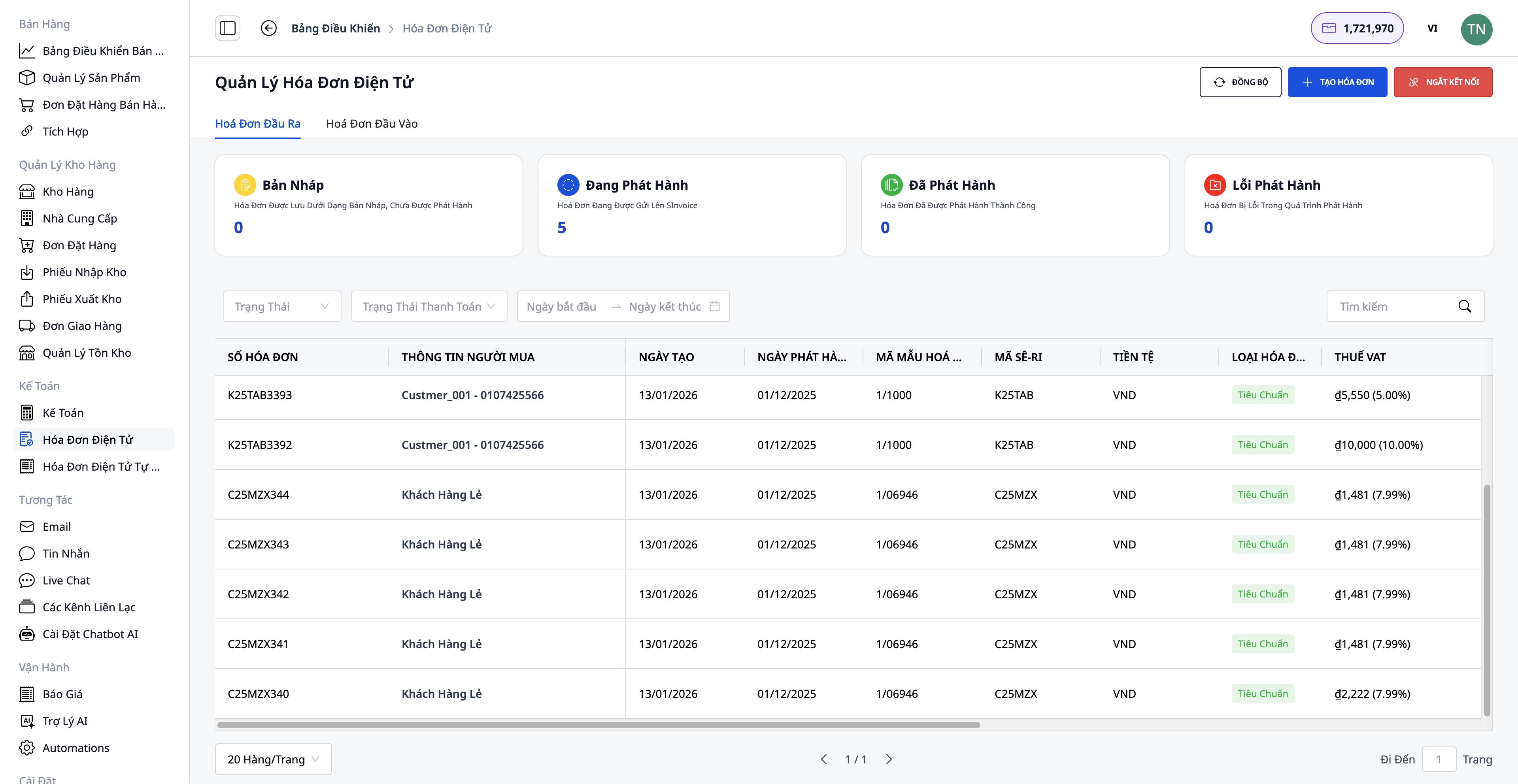
GTG CRM geeft automatisch elektronische facturen uit en synchroniseert producten van e-commerceplatforms
Conclusie
Online verkopen zonder facturen uit te geven, is niet langer een "klein ding" in de huidige periode.
Verkopers moeten duidelijk begrijpen:
- Het hebben van omzet brengt de verplichting met zich mee om facturen uit te geven
- Het niet uitgeven van facturen vermindert de te betalen belasting niet, maar verhoogt alleen het risico op terugvordering en boetes
- Het vanaf het begin standaardiseren van processen is de enige manier om duurzaam te ondernemen
In een tijdperk waarin vaste belastingtarieven worden afgeschaft en huishoudens overstappen op aangifte op basis van werkelijke omzet, zijn elektronische facturen niet alleen een verplichting, maar ook een instrument om de verkoper zelf te beschermen tegen toekomstige juridische risico's.
Maak van wat u zojuist hebt gelezen tastbare resultaten — pas het direct toe met GTG CRM, gratis.
Pas nu toe