In the digital age, a website is not just the "face" of a business, but also a powerful tool. To ensure sustainable effectiveness of all marketing campaigns, you need to make sure your website is user-friendly and search engine friendly.

Build SEO-optimized websites/landing pages using GTG CRM.
The core elements of a standard SEO-friendly website/landing page.
A website/landing page is considered SEO-optimized when it meets all the requirements in terms of technical aspects, content, and user experience. Below are the most important factors.
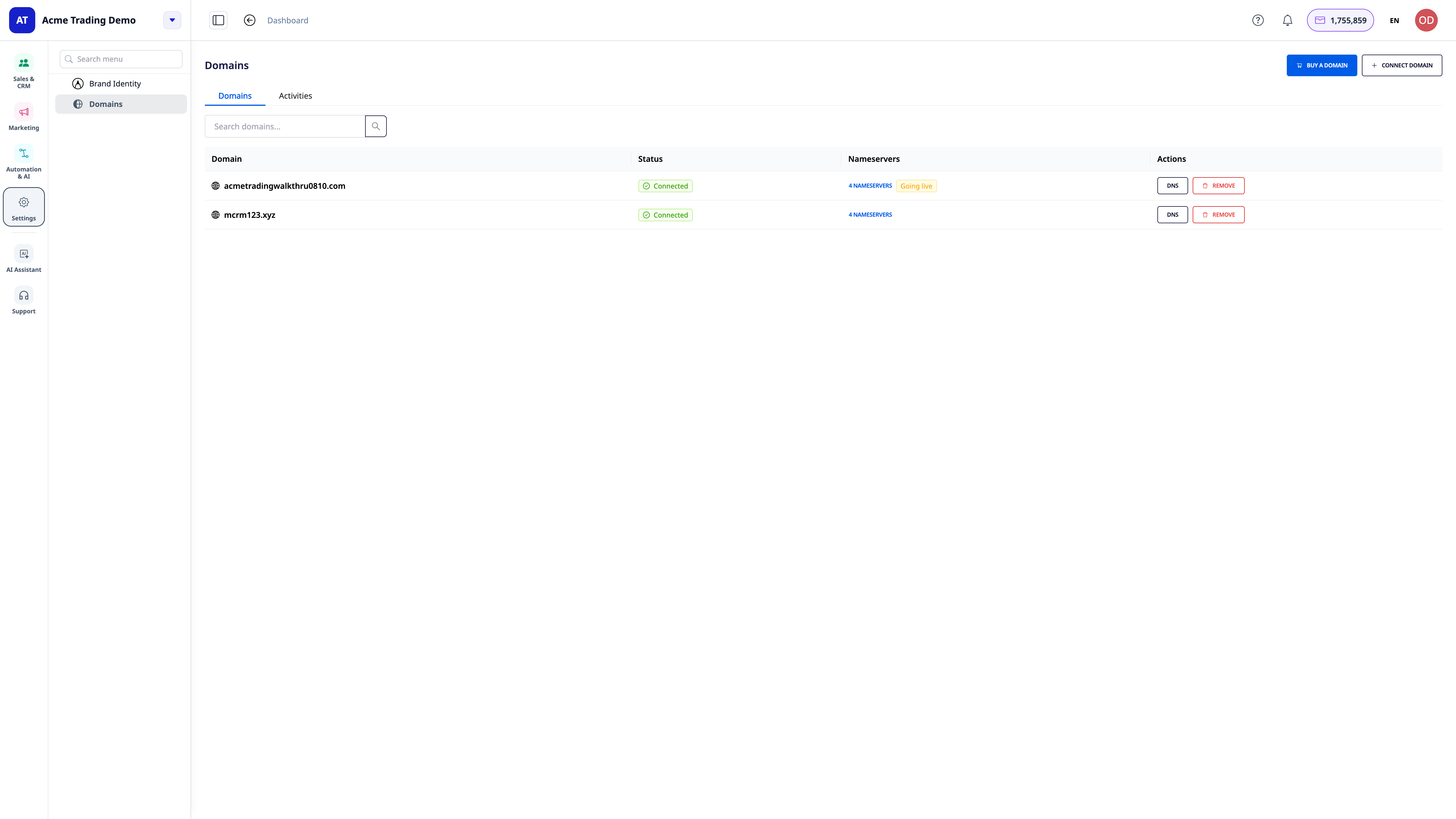
Domain Names and Hosting
- Domain name: Should be related to the content or brand name. Domain names that have been in use for a long time tend to have higher credibility.
- Hosting: High-speed hosting and a server IP address that matches the user's location will help the website load faster. Domain names like .com or .vn are generally more trusted by users.
Website Speed (Page Speed)
- Page load speed is an extremely important ranking factor. A slow-loading website will cause users to leave and increase the bounce rate .
- For optimal SEO, page load speed is typically 1-3 seconds. You need to optimize both desktop and mobile versions to ensure the best user experience.
Website Structure
- A logical, easy-to-navigate website structure will help users and search engine bots easily discover and understand your content.
- The design of the structure is based on customer behavior so that they can easily find the information they need.
Designed for mobile-friendliness.
- Search engines prioritize mobile-friendly websites. If your website isn't optimized for mobile devices, you're highly likely to lose a significant number of potential customers.
On-page elements
- URL: The page link should be short, easy to read, and contain the main keywords.
- Heading tags (H1, H2, H3): A clear heading tag structure not only helps bots understand the content but also makes the article easier to read for users.
- Meta Title & Meta Description: This is what users see in search results. An attractive title and description containing keywords will increase the click-through rate (CTR).
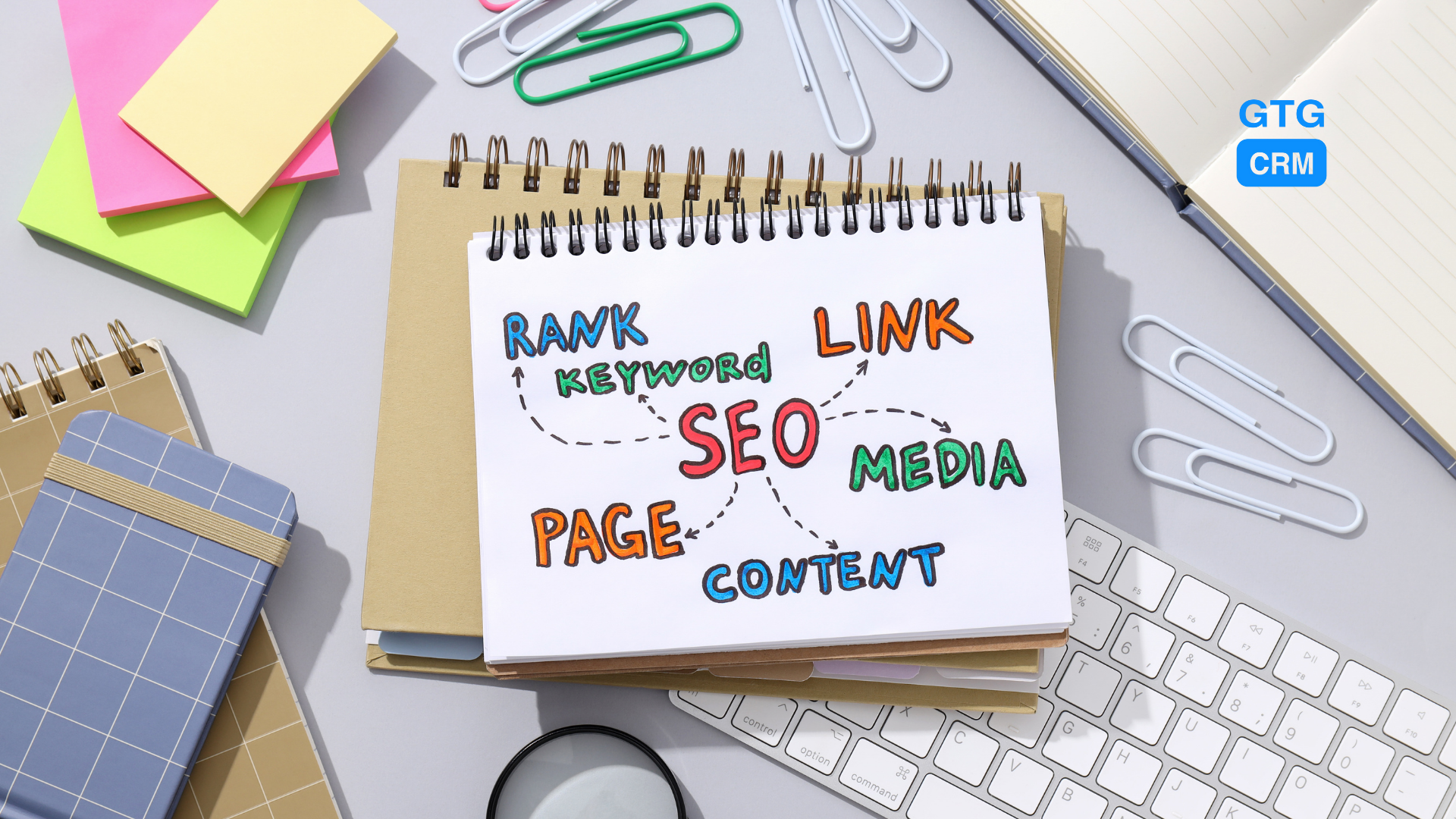
Key elements to master when doing SEO
Key elements to master when doing SEO
A website optimized for SEO is the perfect combination of many detailed elements, from content and links to technical structure.
Content: The heart of every website.
Content is the most important element, the heart of a website. Quality content is content that provides practical value, useful knowledge, or solutions for users.
- Content quality: Content must be user-oriented and help solve their problems. High-quality content will keep users engaged longer, reduce bounce rates, and build brand credibility.
- Create expert content: This is the best way to attract organic links. When you are perceived as an expert in your field, your online reputation and visibility will increase significantly.
- SEO optimization: Each article needs to meet technical criteria such as a reasonable keyword density, a clear title tag structure (H1, H2, H3...), and appropriate internal and external links.
Backlinks & Authority: The "Vote" of a Website
Links, especially external links pointing to your website, act as a "vote" or endorsement from other websites.
- Quality over quantity: One link from a reputable, authoritative source relevant to your topic will be worth far more than hundreds of low-quality links.
- Backlink building strategy: Instead of buying and selling links, focus on creating valuable content, building relationships with influencers, and leveraging social media to spread your content. Natural backlinks are the best.
- Anchor Text: Anchor text helps search engines determine what the content on the linked page is about. A variety of anchor texts should be used to avoid being perceived as manipulative.
Technical & On-page Optimization: Building a Solid Foundation
Technical and on-page factors determine whether your website is search engine and user-friendly.
- Domain Name and Hosting: The domain name should be relevant to the content and have a long-term usage period. High-speed hosting and a server IP address that matches the website's location will help improve page load speed.
- Website Speed: Page load speed is a crucial ranking factor. A fast-loading website provides a better user experience and is highly rated by Google. The SEO standard is 1-3 seconds.
- Website structure: A logical, clearly hierarchical website structure will help users and search engine bots easily navigate and understand your content.
- Mobile-first indexing: Search engines prioritize websites with mobile versions. If your website is not mobile-friendly, your ranking will be severely affected.
- On-page elements: Optimize heading tags (H1, H2, H3...), meta description, URL, and use high-quality images/videos.
User Experience (UX) and Social Media
User experience is a core element that search engines strive for. They want to provide results that users find satisfying.
- Optimizing user behavior: Factors such as Time on site , Bounce rate , and Click-through rate are important signals that help search engines assess the quality of the user experience on your website.
- Social media: Social media plays an indirect role in spreading content, building brand awareness, and enhancing credibility. Although social media links don't have the same SEO value as website backlinks, they remain a useful tool for increasing traffic and potential customers.
Conclusion: SEO is a comprehensive ecosystem.
To succeed in SEO, you need to view it as a way to contribute to the overall ecosystem of your industry. This means serving your audience with quality content, building relationships, and increasing brand credibility.
Once a website is built with SEO in mind, all other digital marketing activities will be more effective. Increased organic traffic will bring in more potential customers. This is where a centralized management platform like GTG CRM comes into play: it helps you automatically collect lead information, categorize it, assign tasks to your sales team, and ensure you don't miss any business opportunities.
A website optimized for SEO is the foundation, and integrating it with an intelligent platform like GTG CRM will help you build a perfect digital marketing campaign, from attracting customers to generating sustainable revenue.
Turn what you've just read into tangible results — apply it now with GTG CRM, free.
Apply now