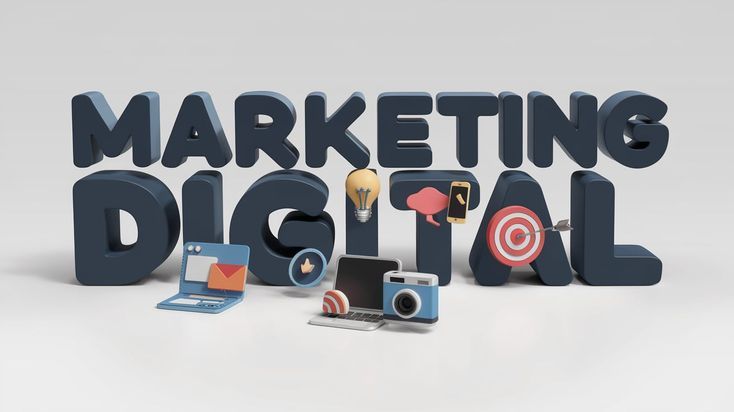
What is Digital Marketing? Why is Planning Necessary?
Digital Marketing encompasses marketing activities that utilize digital platforms such as websites, social media, search engines, and email to reach target customers. For small businesses, implementing marketing in a structured manner can help save costs, increase brand awareness, and boost sales.
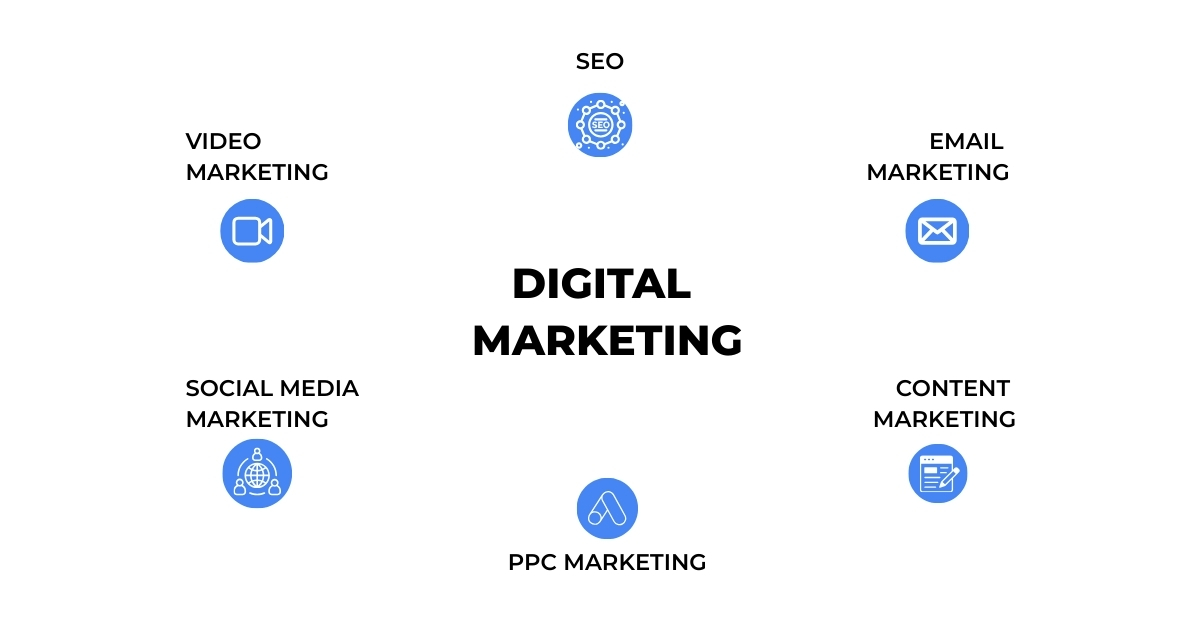
What is Digital Marketing? Why is Planning Necessary?
However, many businesses make the mistake of doing Digital Marketing based on intuition: seeing others run Facebook Ads, they run them too; seeing competitors on TikTok, they join in. This leads to wasted budgets without achieving results. Therefore, a detailed plan serves as a compass to clearly define goals, select appropriate channels, optimize budgets, and measure results effectively.
Detailed Digital Marketing Plan Guide
Step 1: Analyze the Market and Competitors
Before starting any activity, identify the product or service area you offer, assess growth trends, and understand the consumption behavior of your target market using tools like Google Trends or keyword searches on Google Keyword Planner.
Concurrently, analyze competitors in the same industry:
- On which platforms do they promote their products?
- What stands out in the content they use?
- How do customers interact?
Understanding how competitors operate is not for copying, but for discovering your own unique differences and competitive advantages.
Step 2: Define Digital Marketing Goals
Each campaign needs a specific objective to avoid wasting money and effort. This could be increasing orders, attracting potential customers, or building a brand.
Applying the SMART model will help you specify your goals:
- Ensure goals are measurable, realistic, and have clear deadlines.
- For example, instead of setting a goal like "increase revenue," aim for "increase orders by 300 from the website within the next 3 months."
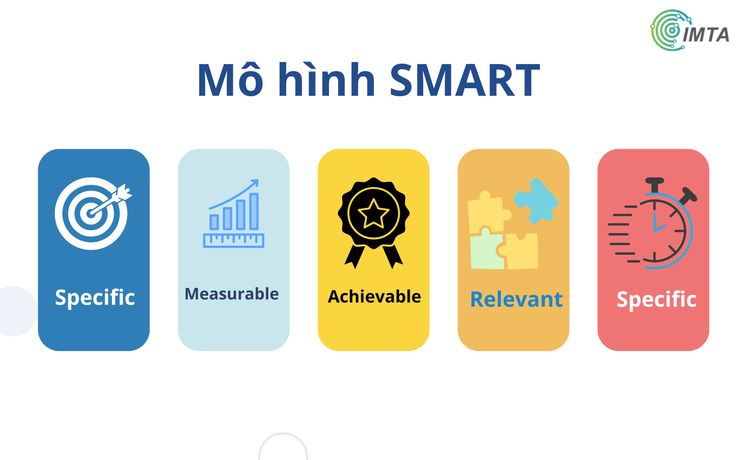
The SMART Model
Step 3: Identify Target Customer Persona
To market effectively, you need to understand your ideal customer thoroughly.
Create a detailed profile of them: age, gender, occupation, income level, social media usage habits, interests, and even their pain points.
For example, if you sell products for new mothers, clearly define when they are usually online, what they are interested in, and what content makes them stop and read. Understanding your customers will help you choose the right channels, the right message, and increase conversion rates.
Step 4: Select Appropriate Channels and Strategies
Not every business needs to be present on all platforms. Choose 2-3 channels that best suit the target customers identified in the previous step. If your customers use Facebook a lot, focus on content for Facebook. If they frequently search for information on Google, invest in SEO and Search Ads.
Accompanying strategies are also crucial. If it's a new product needing quick awareness, you might choose a broad reach strategy with Facebook Ads. If the goal is to close deals, use Landing Pages along with remarketing tools or email follow-ups after customers leave their information.
Refer to GTG CRM's Landing Page Templates: https://gtgcrm.com/gallery
Step 5: Develop Content for Each Channel
Content is the bridge between a brand and its customers. Each platform has its own characteristics, so you need to adapt your content accordingly.
- For Facebook, content should be concise, with eye-catching images and attention-grabbing headlines.
- For LinkedIn, create professional content that provides valuable knowledge.
- For Google, content needs to be optimized for keywords to rank high in search results.
More importantly, all content must address customers' pain points, questions, or needs. Don't just talk about the product; talk about how the product makes their lives easier.
You can try GTG CRM's "AI Content Creation" feature, which helps you generate content for multiple platforms without much effort.
Step 6: Budget Planning and Resource Allocation
A good plan requires a clear budget. Whether you have 5 million or 50 million VND per month, list the expenses and allocate them appropriately.
- If most customers come from advertising, the budget should prioritize Ads.
- If you need to build a long-term brand, invest in content.
Additionally, consider costs for tools such as Email Marketing software, Landing Page builders, CRM, and also personnel if you outsource. Creating a budget table will help you stay within your budget while ensuring all activities are carried out.
Step 7: Measure and Optimize Campaigns
Digital Marketing's great advantage is its measurability. But without tracking, you won't know which ads are effective, which content performs well, and what needs improvement. Track basic metrics such as:
- Click-Through Rate (CTR)
- Conversion Rate (CR)
- Cost Per Acquisition (CPA)
From this data, you'll know which ads to turn off, which channels to increase budget for, or how to adjust your content.
Conclusion
A well-structured Digital Marketing plan doesn't need to be complicated, but it must be clear and measurable. When you know what you are doing, for whom, and with what objectives, effectiveness will be more apparent, budgets won't be wasted, and you can achieve sustainable growth.
If you are a small business owner looking to start Digital Marketing in a streamlined way, consider a supportive tool like GTG CRM – a platform integrating tools for creating Landing Pages, Email Marketing, campaign performance measurement, customer management, and much more in a single place.
Turn what you've just read into real results — apply it now with GTG CRM, for free.
Apply Now