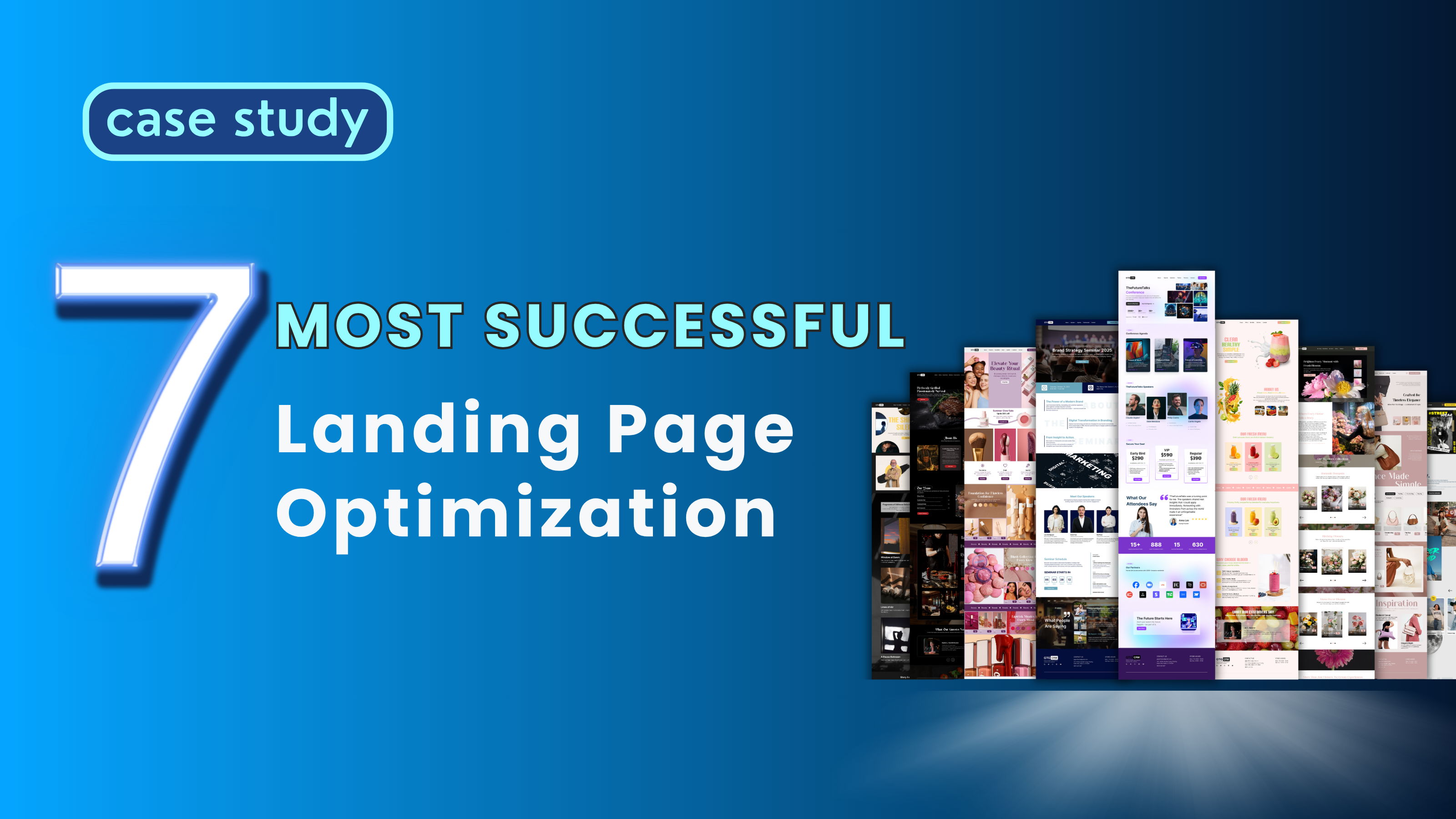
In the era of digital marketing, landing pages are the "first touchpoint" between customers and brands. They are not just places to introduce products, but also tools for direct measurement, optimization, and conversion, turning visitors into potential customers. According to HubSpot, the average global conversion rate for landing pages is 5.89%, while many businesses achieve over 10% by optimizing content and user experience.
This article compiles the 7 most successful landing page case studies, analyzing how renowned brands have multiplied their conversion rates, and drawing lessons for small and medium-sized businesses.
What is a Landing Page?
A landing page is a standalone webpage designed with a single objective: conversion, such as filling out a form, placing an order, signing up for a promotion, or downloading a resource.
Unlike traditional websites (with multiple pages and purposes), a landing page focuses entirely on one specific action.
An effective landing page typically includes:
- A compelling headline clearly stating the main benefit
- Clear visuals or videos for illustration
- A prominent call-to-action (CTA)
- A simple, multi-step registration or purchase form
Read more: SEO-Optimized Landing Pages: The Key to Growth That Pleases Both Google and Customers
7 Exemplary Landing Page Optimization Case Studies
1. AvidXchange - Reduced Cost Per Lead by 79% by Optimizing CTA
AvidXchange, a SaaS platform for payment automation, noticed that their landing pages were attracting irrelevant leads.
They revamped their entire content and visuals to focus on the B2B segment and A/B tested CTAs between "Download Resource" and "Schedule a 5-Minute Call."
Result: The short call CTA significantly outperformed, reducing cost per lead by 79% and substantially increasing conversion rates.
Lesson: The more specific and friendly the CTA, the higher the conversion rate.
2. Artur Jabłoński - Simplified Content, Increased Engagement
This renowned Polish marketer removed 60% of unnecessary content, retaining a single message and CTA. After experimenting with layouts and button colors, click-through rates increased by over 30%.
Lesson: Simplify the user journey and avoid overwhelming them with too many choices.
3. 1-800-DENTIST - Just One ZIP Code Field Needed
The company's registration page previously required three steps (ZIP, need, insurance), causing many users to abandon the process.
They streamlined it to a single ZIP code field in the first step, moving the other two steps to later stages.
Result: Form completion rates increased by 23% in just one week.
Lesson: Make it easy for customers to start; don't force them to answer too many questions upfront.
4. Good.co - New UX Design, Enhanced User Experience
Good.co redesigned their landing page with a visual style, bright colors, and clear CTAs. The user-friendly interface helped users stay on the page longer and significantly increased registration rates.
Lesson: UX/UI is not just about aesthetics; it's a conversion-boosting tool.
5. ClickMechanic - Optimization Based on Real Feedback
By using Hotjar to collect user feedback, they discovered that customers were confused by unclear pricing. The page was updated with clear pricing tables and transparent service information, leading to increased conversion rates and a significant reduction in bounce rate.
Lesson: Listen to user behavior data to optimize content.
6. NeuroMD - Increased Conversions by 55% Through Diverse Testing
This medical device startup collaborated with SplitBase to create multiple landing page versions (listicle, advertorial, hero style). AI analysis helped them select the most effective version, resulting in a 55.3% increase in conversions.
Lesson: Don't shy away from diverse testing; AI and data will guide you in the right direction.
7. firstSTREET - Increased Conversions by 3,566% After Redesign
The website selling computers for seniors previously had a cluttered design with small text and multiple steps.
After a comprehensive redesign towards a modern and simple approach, conversions increased by 3,566% – a remarkable figure.
Lesson: Sometimes, it's not about optimizing individual parts, but about a complete overhaul to better suit users.
General Lessons for Businesses
From the 7 case studies above, three core principles can be extracted:
- Always A/B test – don't assume anything is correct until you have data.
- Focus on the user – what do they want, understand, and struggle with?
- Keep it simple but clear – each page should have only one objective.
GTG CRM - A Simple Landing Page Solution for Vietnamese Businesses
While the brands above used their own platforms for landing page optimization, GTG CRM offers you an all-in-one tool, especially suitable for small and medium-sized enterprises (SMEs) in Vietnam:
1. AI-Assisted Landing Page Builder
Create sales or introductory pages with drag-and-drop functionality. Choose from pre-made templates, and the AI will write SEO-optimized content and suggest relevant images for your products.

GTG CRM's AI helps you create custom images to complement your Landing Page
2. Integrated Forms, Chat & Zalo / Messenger
All registration forms are automatically saved to the CRM. You can also reply directly via Facebook, Zalo, Gmail, or SMS, all within a single interface.
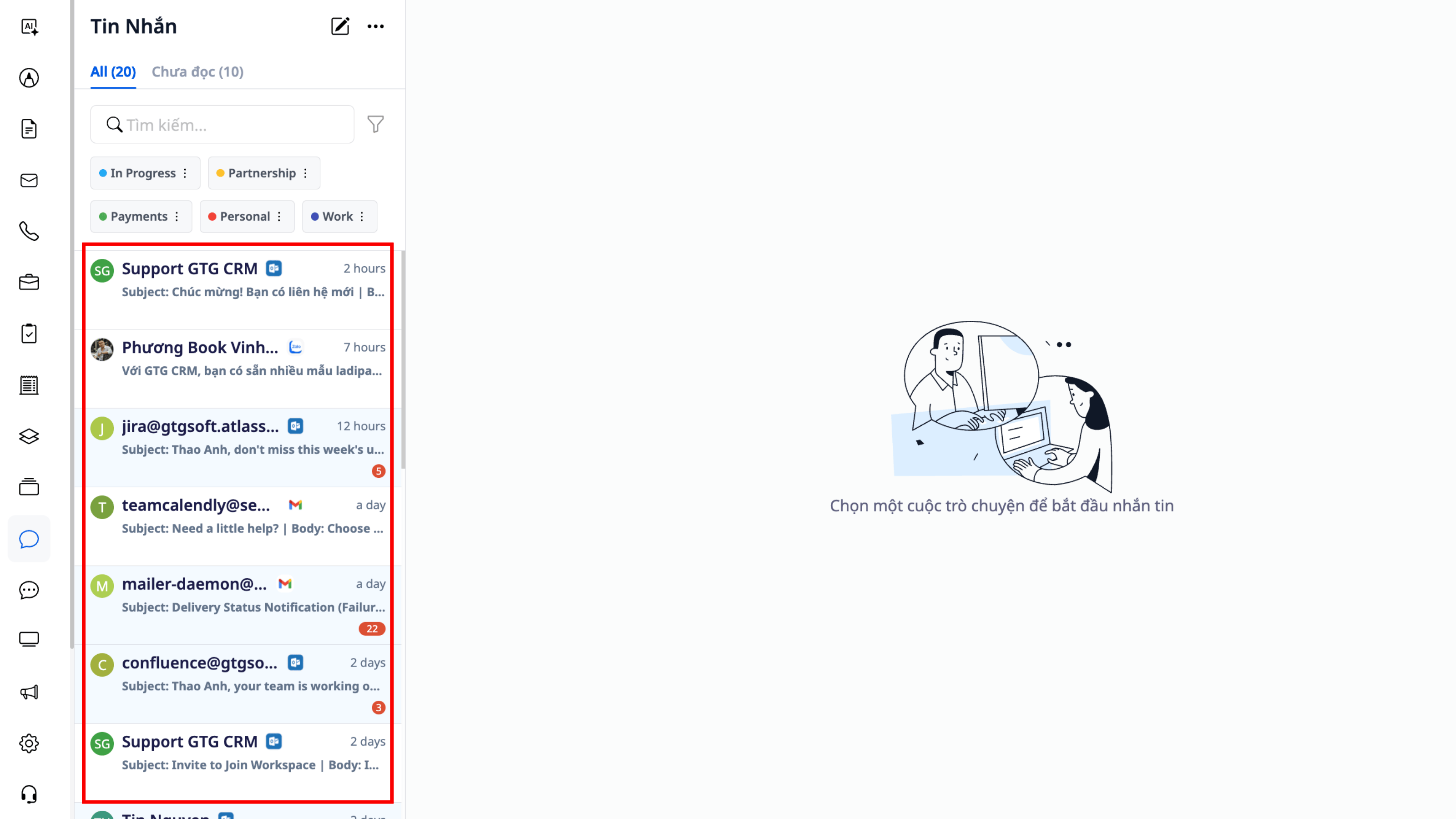
Receive messages from Zalo, Gmail, Facebook, Outlook, etc., on a single platform
3. Automation Workflow
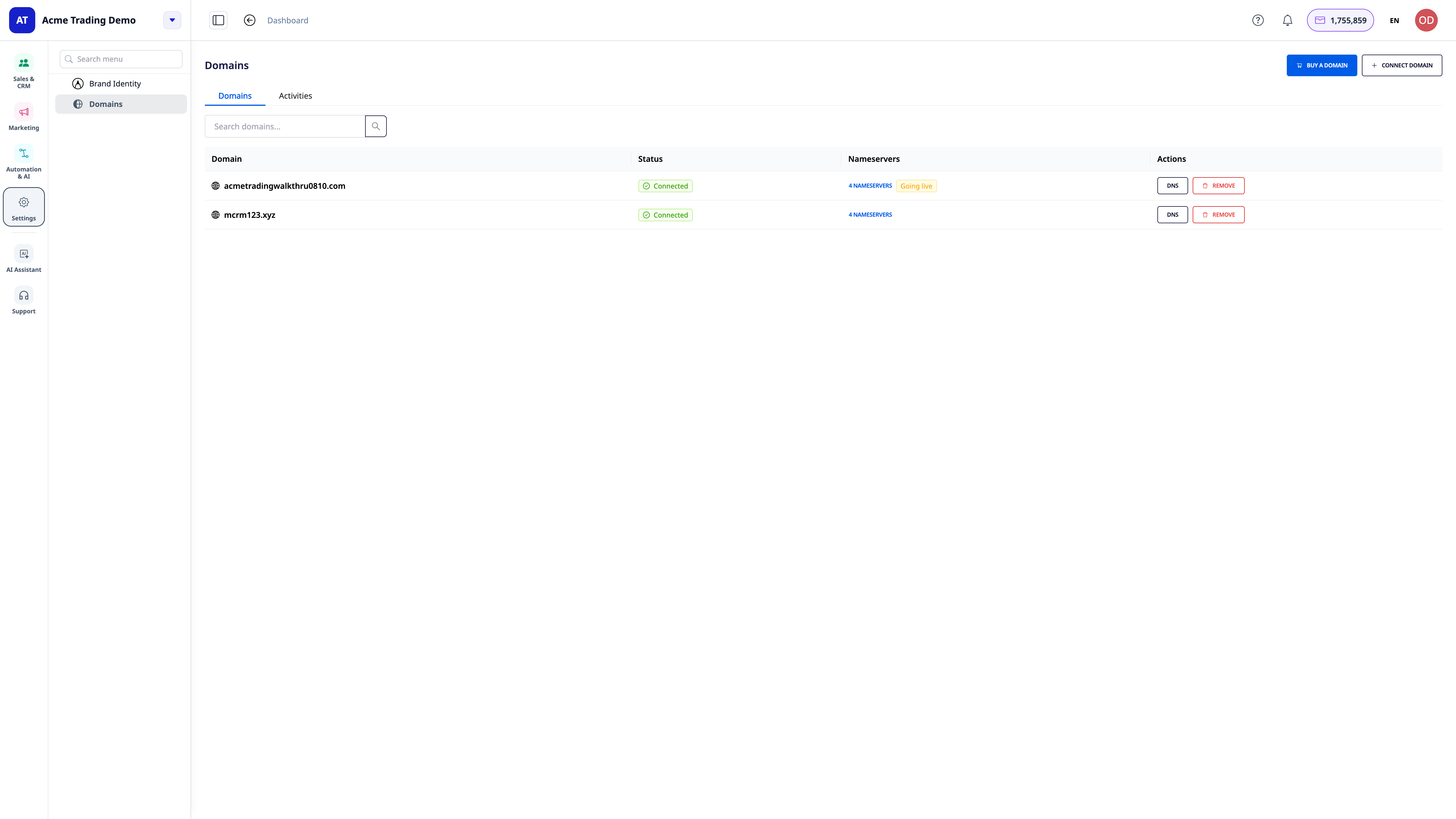
When a customer fills out a form → the system sends a thank-you email → adds them to the prospect list → suggests a follow-up after 3 days.
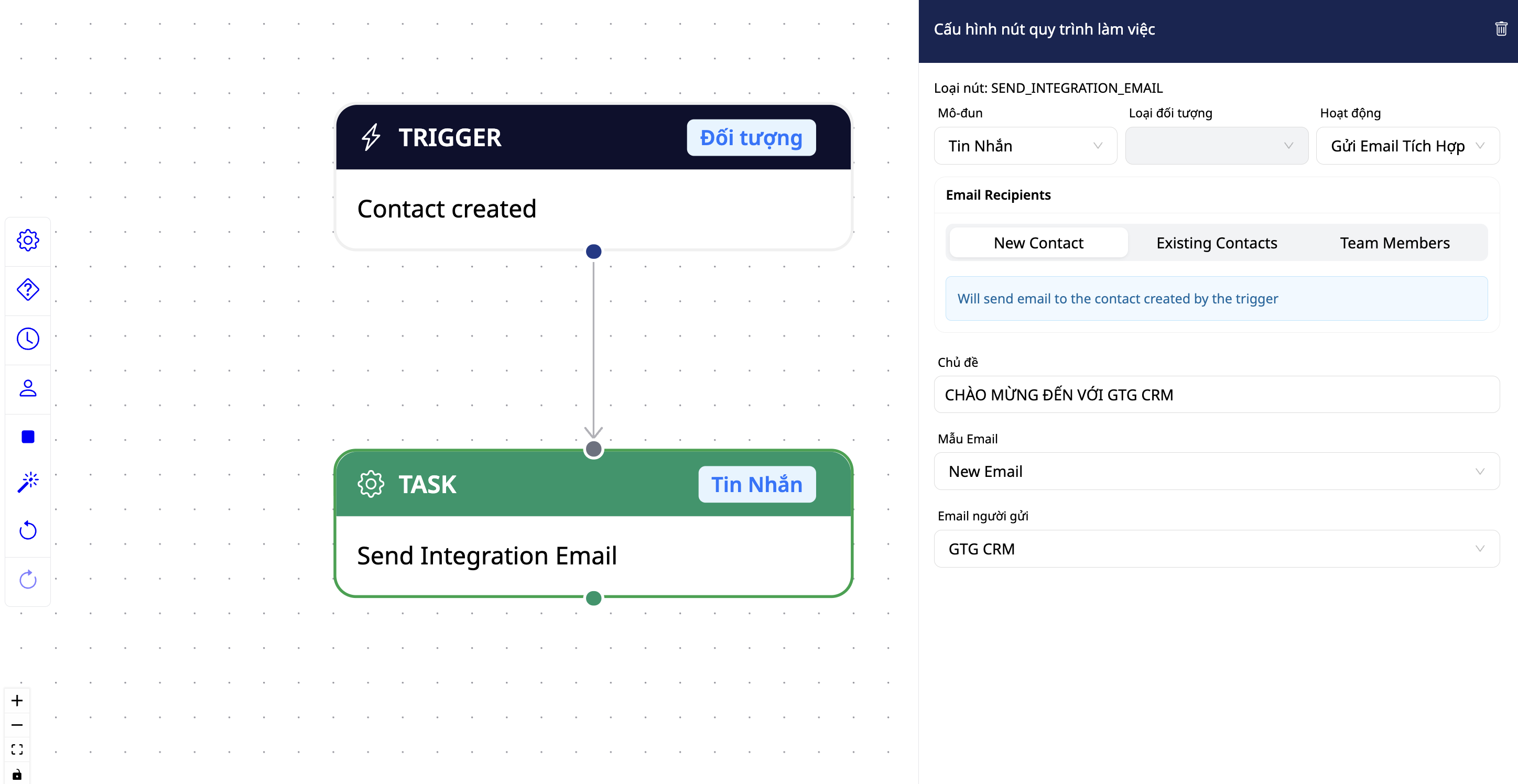
Create an automated thank-you email flow for new customers
4. Performance Reports & Analytics
By integrating Landing Pages with advertising campaigns on GTG CRM, you can track visits, conversion rates, and more, all displayed visually on the dashboard.
See demo GTG CRM Landing Page templates
Conclusion
The 7 success stories demonstrate that landing pages are a "silent weapon" for businesses to optimize advertising costs and increase conversion rates. To do it well, you don't need a technical team – just an intelligent and user-friendly tool like GTG CRM. From idea → landing page → lead generation → customer care → reporting – everything happens within a single platform.
Your business can achieve similar results — start for free.
Start Your Journey