Όταν ξεκινούν τον ψηφιακό μετασχηματισμό, πολλές μικρομεσαίες επιχειρήσεις (ΜΜΕ) δεν αντιμετωπίζουν δυσκολίες λόγω έλλειψης εργαλείων. Το πρόβλημα συχνά βρίσκεται στο υπερβολικό πλήθος επιλογών.
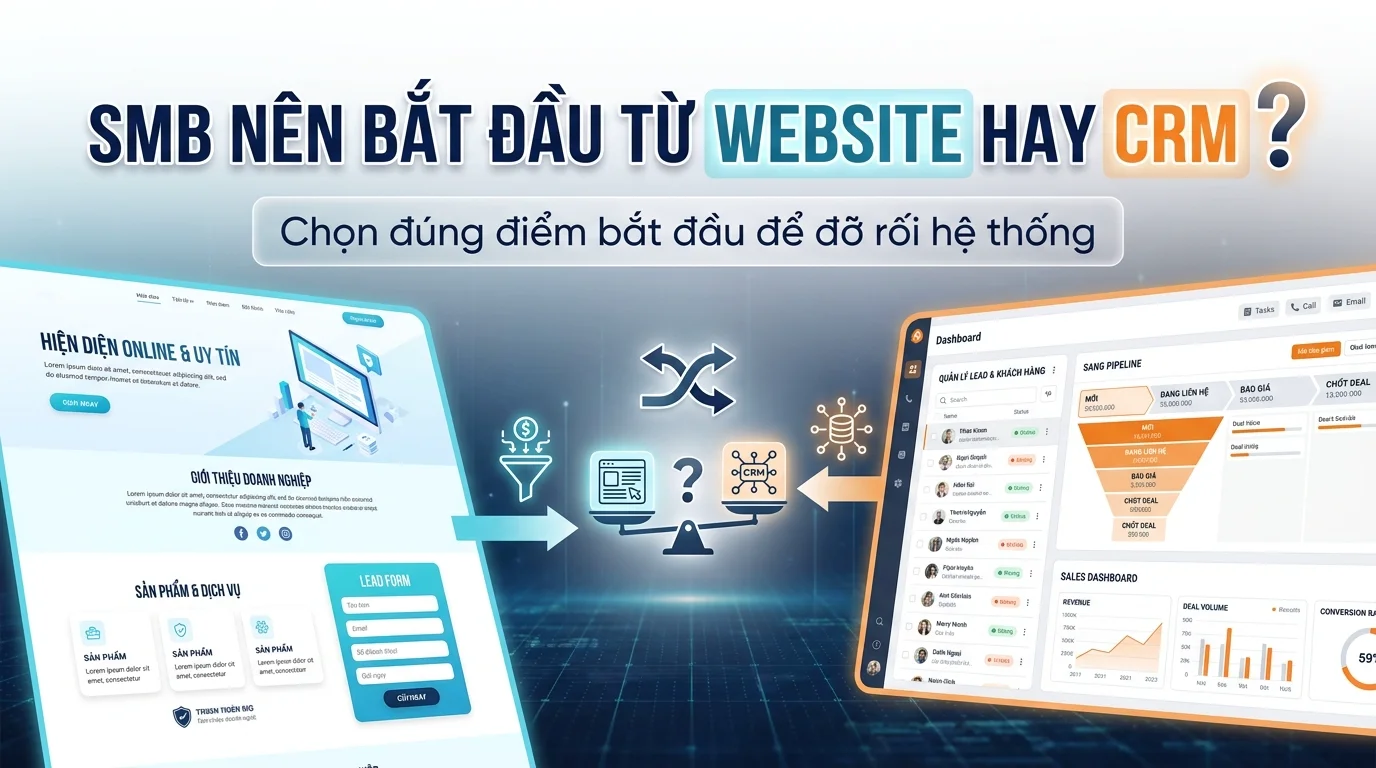
Άλλοι προτείνουν να φτιάξετε πρώτα έναν ιστότοπο για να αυξήσετε την αξιοπιστία. Άλλοι λένε ότι πρέπει να εφαρμόσετε ένα CRM νωρίς για να διαχειριστείτε τους πελάτες μεθοδικά. Κάποιοι εστιάζουν πρώτα στο τρέξιμο διαφημίσεων και τη δημιουργία landing page. Κάποιοι άλλοι δίνουν προτεραιότητα σε ένα σύστημα ανταλλαγής μηνυμάτων για ταχύτερη εξυπηρέτηση πελατών. Για μια ΜΜΕ που θέλει να λειτουργεί απλά, με λίγα εργαλεία και πρακτική εφαρμογή, η ερώτηση μπορεί εύκολα να προκύψει: να ξεκινήσω πρώτα με έναν ιστότοπο ή με ένα CRM;
Η απάντηση είναι ότι δεν είναι κάθε επιχείρηση ίδια.
Τόσο ο ιστότοπος όσο και το CRM είναι σημαντικά, αλλά το καθένα λύνει ένα διαφορετικό πρόβλημα. Αν επιλέξετε το σωστό σημείο εκκίνησης, η επιχείρηση θα προχωρήσει πιο γρήγορα και θα ξοδέψει λιγότερα χρήματα σε δοκιμές. Αν επιλέξετε τη λάθος σειρά, είναι πολύ εύκολο να βρεθείτε σε μια κατάσταση όπου χρησιμοποιείτε εργαλεία αλλά δεν βλέπετε ακόμα ξεκάθαρα αποτελέσματα.
Επομένως, αντί να ρωτάτε γενικά "ποιος είναι καλύτερος, ο ιστότοπος ή το CRM", ο σωστός τρόπος είναι να εξετάσετε τους τρέχοντες στόχους της επιχείρησης: χρειάζεστε αξιοπιστία, χρειάζεστε leads, χρειάζεστε να συμβαδίσετε με τις πωλήσεις, ή χρειάζεστε καλύτερη εξυπηρέτηση πελατών;
Γιατί πολλές ΜΜΕ μπερδεύονται όταν ξεκινούν τον ψηφιακό μετασχηματισμό;
Για τις μικρές επιχειρήσεις, οι πόροι είναι πάντα περιορισμένοι. Η ομάδα είναι μικρή, ο προϋπολογισμός δεν είναι άφθονος, και ο χρόνος υλοποίησης δεν είναι πολύς. Επομένως, κάθε απόφαση επένδυσης σε εργαλεία πρέπει να είναι αρκετά ρεαλιστική.
Ωστόσο, στην πραγματικότητα, πολλές ΜΜΕ ξεκινούν με την προσέγγιση "κάνω ό,τι χρειάζομαι εκείνη τη στιγμή". Σήμερα αισθάνονται την ανάγκη για έναν ιστότοπο, οπότε φτιάχνουν έναν ιστότοπο. Αύριο, αισθάνονται ότι χάνουν leads, οπότε ψάχνουν ένα CRM. Μεθαύριο, αισθάνονται ότι πολλοί πελάτες στέλνουν μηνύματα, οπότε χρησιμοποιούν ένα άλλο εργαλείο ανταλλαγής μηνυμάτων. Όσο περισσότερο κάνουν, τόσο πιο αποσυνδεδεμένο γίνεται το σύστημα.
Το αποτέλεσμα είναι ότι η επιχείρηση δεν μετασχηματίζεται ψηφιακά με μια σαφή διαδρομή, αλλά μπαλώνει κομμάτια ανάλογα με τις άμεσες ανάγκες.
Γι' αυτό, η ερώτηση ιστότοπος ή CRM πρώτα είναι πιο σημαντική από ό,τι πολλοί πιστεύουν. Δεν είναι απλώς μια ερώτηση για εργαλεία. Είναι μια ερώτηση για το ποιο σημείο εκκίνησης θα έχει τον μεγαλύτερο αντίκτυπο στην επιχείρηση στην τρέχουσα φάση.
Πώς διαφέρουν ο ιστότοπος και το CRM;
Απλά, ο ιστότοπος βοηθά την επιχείρηση να παρουσιάζεται και να δημιουργεί εμπιστοσύνη. Το CRM βοηθά την επιχείρηση να συγκεντρώνει, να παρακολουθεί και να επεξεργάζεται τους πελάτες καλύτερα.
Ο ιστότοπος είναι κατάλληλος όταν η επιχείρηση χρειάζεται ένα μέρος για να αναζητούν πληροφορίες οι πελάτες, να ελέγχουν την αξιοπιστία, να βλέπουν υπηρεσίες ή προϊόντα, και να εκτελούν ενέργειες όπως συμπλήρωση φόρμας ή επικοινωνία. Ενώ το CRM αναδεικνύει τον ρόλο του όταν η επιχείρηση έχει ήδη leads ή πελάτες που αλληλεπιδρούν μέσω πολλαπλών σημείων επαφής και χρειάζεται πιο συγκεντρωτική διαχείριση.
Μπορούμε να το κατανοήσουμε ως εξής:
| Στοιχείο | Ιστότοπος | CRM |
|---|---|---|
| Κύριος ρόλος | Online παρουσία, δημιουργία αξιοπιστίας, υποστήριξη μετατροπής | Διαχείριση leads, πελατών και διαδικασιών παρακολούθησης |
| Τι πρόβλημα λύνει | Οι πελάτες εισέρχονται αλλά δεν κατανοούν ή δεν εμπιστεύονται ακόμα την επιχείρηση | Τα leads έρχονται αλλά χάνονται εύκολα, δύσκολη παρακολούθηση |
| Κατάλληλο όταν | Η επιχείρηση χρειάζεται μια πιο σαφή online βάση | Η επιχείρηση έχει ήδη πολλά leads ή πολλαπλά σημεία επαφής |
| Έχει ισχυρό αντίκτυπο σε | Εμπιστοσύνη, αναγνώριση, μετατροπή από κίνηση | Λειτουργίες πωλήσεων, εξυπηρέτηση πελατών, διαχείριση δεδομένων |
| Αν λείπει | Οι πελάτες δυσκολεύονται να κατανοήσουν και να εμπιστευτούν γρήγορα | Οι πωλητές εύκολα χάνουν leads, δεδομένα είναι διάσπαρτα |
Κοιτάζοντας αυτόν τον πίνακα, μπορούμε να δούμε ότι ο ιστότοπος και το CRM δεν αντικαθιστούν το ένα το άλλο. Συμπληρώνουν το ένα το άλλο. Αλλά για τις ΜΜΕ που θέλουν να λειτουργούν απλά και να προχωρούν βήμα-βήμα, η επιχείρηση πρέπει να προσδιορίσει ποιο πρέπει να προηγηθεί με βάση τον κύριο στόχο.
Πλαίσιο επιλογής βάσει στόχου: τι χρειάζεται περισσότερο η επιχείρησή σας;
Αν αναρωτιέστε από πού να ξεκινήσετε τον ψηφιακό μετασχηματισμό για μια μικρή επιχείρηση, δοκιμάστε να εξετάσετε τους 4 παρακάτω στόχους.
1. Εάν ο τρέχων στόχος είναι η αύξηση της online φήμης, δώστε προτεραιότητα στον ιστότοπο πρώτα
Αυτή είναι μια πολύ συχνή περίπτωση για επιχειρήσεις που δραστηριοποιούνται εδώ και καιρό, αλλά η online παρουσία τους είναι αδύναμη, ή έχουν μια σελίδα στο Facebook αλλά δεν έχουν ένα ξεκάθαρο μέρος για τους πελάτες να ελέγχουν τις πληροφορίες.
Όταν οι πελάτες σας ανακαλύπτουν μέσω διαφημίσεων, κοινωνικών δικτύων ή συστάσεων, συνήθως αναζητούν περισσότερες πληροφορίες πριν λάβουν μια απόφαση. Εάν μια επιχείρηση δεν έχει ιστότοπο, ή ο ιστότοπός της είναι πολύ πρόχειρος, οι πελάτες θα δυσκολευτούν να σας εμπιστευτούν γρήγορα.
Σε αυτήν την περίπτωση, ο ιστότοπος θα πρέπει να είναι ο πρώτος, επειδή βοηθά την επιχείρηση:
- να παρουσιάσει καθαρά ποιος είναι
- να δείξει στους πελάτες τι κάνει
- να δημιουργήσει μια πιο επαγγελματική αίσθηση
- να υποστηρίξει τους πελάτες να αφήσουν πληροφορίες ή να επικοινωνήσουν
Εάν δεν έχετε ένα επαρκώς σαφές "online σπίτι", η επιχείρηση θα δυσκολευτεί να χτίσει πιο μακροχρόνια εμπιστοσύνη στα επόμενα βήματα.
2. Εάν ο στόχος είναι η λήψη leads από διαφημίσεις ή traffic, ένας ιστότοπος ή μια landing page θα πρέπει να είναι η πρώτη προτεραιότητα
Πολλές ΜΜΕ έχουν αρχίσει να τρέχουν διαφημίσεις, αλλά οι προορισμοί μετά το κλικ παραμένουν πολύ γενικοί. Υπάρχουν περιπτώσεις που το traffic κατευθύνεται σε μια σελίδα στο Facebook, σε άλλες στον αρχικό ιστότοπο, και σε άλλες απλώς ζητούν από τους πελάτες να στείλουν μήνυμα και να περιμένουν για συμβουλές. Αυτό συνήθως μειώνει την αποτελεσματικότητα μετατροπής.
Σε αυτήν την περίπτωση, ο ιστότοπος ή η landing page είναι το σημείο που πρέπει να δοθεί προτεραιότητα, επειδή η επιχείρηση χρειάζεται ένα μέρος για να:
- δέχετε traffic με το σωστό μήνυμα
- δημιουργείτε σαφείς ενέργειες όπως συμπλήρωση φόρμας ή εγγραφή
- διατηρείτε καλύτερα τα δεδομένα των πελατών
- βελτιστοποιείτε την αποτελεσματικότητα κάθε καμπάνιας
Με άλλα λόγια, εάν το τρέχον πρόβλημα είναι πώς να διασφαλίσετε ότι οι πελάτες που ενδιαφέρονται δεν χάνονται μετά από ένα κλικ, τότε ο ιστότοπος ή η landing page θα πρέπει να προηγηθεί του CRM.
3. Εάν ο στόχος είναι η πώληση για να παρακολουθείτε τα leads, το CRM θα πρέπει να είναι η πρώτη προτεραιότητα
Αυτή είναι μια πολύ συνηθισμένη κατάσταση για ΜΜΕ που έχουν ήδη leads από πολλές πηγές, αλλά η ομάδα πωλήσεων είναι μικρή και δεν μπορεί να τα διαχειριστεί έγκαιρα. Τα leads προέρχονται από τον ιστότοπο, φόρμες, inbox, Zalo, email ή διάφορες καμπάνιες, αλλά τα δεδομένα είναι διάσπαρτα.
Σε αυτήν την περίπτωση, η επιχείρηση δεν έχει έλλειψη σημείων επαφής στην αρχή. Αυτό που λείπει είναι ένας χώρος για τη συγκέντρωση των leads και την καλύτερη παρακολούθησή τους.
Το CRM θα πρέπει να είναι η πρώτη προτεραιότητα όταν αρχίσετε να βλέπετε σημάδια όπως:
- τα leads φτάνουν, αλλά η ανταπόκριση είναι αργή
- ο ίδιος πελάτης εμφανίζεται σε πολλά διαφορετικά σημεία
- οι πωλητές δεν γνωρίζουν πού έχουν φτάσει οι συζητήσεις με τους πελάτες
- το μάρκετινγκ βλέπει leads, αλλά οι πωλήσεις λένε ότι δεν μπορούν να τα παρακολουθήσουν
- τα δεδομένα είναι διάσπαρτα σε αρχεία, inbox και προσωπικές σημειώσεις
Εάν δεν αντιμετωπιστεί πρώτα αυτό το κομμάτι, η προσθήκη περισσότερων leads στο σύστημα θα κάνει τα πράγματα μόνο πιο μπερδεμένα.
4. Εάν ο στόχος είναι η καλύτερη εξυπηρέτηση πελατών μετά τη λήψη leads, το CRM και το messaging θα πρέπει να συνδυαστούν
Υπάρχουν επιχειρήσεις που δεν έχουν μεγάλη έλλειψη νέων leads, αλλά χάνουν ευκαιρίες στο στάδιο της εξυπηρέτησης πελατών. Οι πελάτες έχουν στείλει μήνυμα, έχουν δείξει ενδιαφέρον, ακόμη και έχουν λάβει προκαταρκτική συμβουλή, αλλά η μετέπειτα πορεία δεν είναι αρκετά ομαλή.
Σε αυτήν την περίπτωση, η συζήτηση δεν αφορά πλέον μόνο τον ιστότοπο ή το CRM ξεχωριστά. Η επιχείρηση χρειάζεται να δει το CRM σε συνδυασμό με το messaging για να:
- παρακολουθεί το ιστορικό των συνομιλιών
- αποφύγει την παράβλεψη πελατών που έχουν δείξει ενδιαφέρον
- υποστηρίξει καλύτερα την ομάδα να παρακολουθεί τους πελάτες
- συγκεντρώσει τα σημεία επικοινωνίας σε ένα πιο σαφές μέρος
Αυτή είναι η κατάλληλη επιλογή για επιχειρήσεις που αρχίζουν να συνειδητοποιούν ότι το μεγαλύτερο πρόβλημά τους δεν είναι η προσέλκυση περισσότερων νέων ανθρώπων, αλλά το να μην χάνουν αυτούς που έχουν ήδη εκδηλώσει ενδιαφέρον.
4 τύποι ΜΜΕ και το κατάλληλο σημείο εκκίνησης
Για να έχετε μια καλύτερη εικόνα, μπορείτε να δείτε τις ακόλουθες 4 πολύ συνηθισμένες καταστάσεις:
| Τύπος SMB | Συνήθη σημάδια | Πού να ξεκινήσετε |
|---|---|---|
| SMB χρειάζεται online αξιοπιστία | Έχει fanpage αλλά όχι επίσημη παρουσίαση, οι πελάτες δυσκολεύονται να εμπιστευτούν γρήγορα | Πρώτα Website |
| SMB χρειάζεται leads από διαφημίσεις | Τρέχει διαφημίσεις αλλά δεν υπάρχει σαφές σημείο προορισμού, χαμηλές μετατροπές | Πρώτα Website ή Landing Page |
| SMB έχει μικρή ομάδα πωλήσεων | Πολλά leads από διάφορες πηγές αλλά δεν προλαβαίνουν να τα διαχειριστούν, αποσπασματικά δεδομένα | Πρώτα CRM |
| SMB χρειάζεται καλύτερη εξυπηρέτηση πελατών | Οι πελάτες ενδιαφέρονται αλλά η παρακολούθηση δεν είναι συνεχής | CRM + Messaging |
Αυτός ο πίνακας δεν προορίζεται για αυστηρή διάκριση, αλλά για να βοηθήσει τις επιχειρήσεις να δουν την πιο άμεση προτεραιότητά τους.
Λοιπόν, τι γίνεται αν θέλετε να απλοποιήσετε, με λιγότερα εργαλεία;
Αυτό είναι ένα πολύ ρεαλιστικό ενδιαφέρον. Πολλά SMB δεν θέλουν να ανοίξουν πάρα πολλές πλατφόρμες, γιατί όσο περισσότερα εργαλεία, τόσο πιο βαριά η λειτουργία. Μια μικρή ομάδα κινδυνεύει εύκολα να χρησιμοποιεί εργαλεία χωρίς να τα εκμεταλλεύεται πλήρως.
Σε αυτή την περίπτωση, η κατάλληλη προσέγγιση δεν είναι να αγοράσετε πολλά και να τα συνδέσετε αργότερα. Καλύτερος τρόπος είναι να επιλέξετε μια σαφή πορεία και να δώσετε προτεραιότητα σε λύσεις που μπορούν να συνδέσουν πολλά μέρη στο ίδιο σύστημα.
Για επιχειρήσεις που ξεκινούν, η σειρά πρέπει συνήθως να είναι:
-
Προσδιορίστε τον επείγοντα στόχο
Είναι η αξιοπιστία, τα leads, οι πωλήσεις ή η εξυπηρέτηση πελατών η μεγαλύτερη ανάγκη αυτή τη στιγμή; -
Επιλέξτε το σημείο εκκίνησης που δημιουργεί τον πιο σαφή αντίκτυπο
Πρέπει να προηγηθεί το Website, το landing page ή το CRM; -
Δώστε προτεραιότητα σε πλατφόρμες που μπορούν να επεκταθούν
Έτσι, όταν η επιχείρησή σας μεγαλώσει, δεν θα χρειαστεί να χωρίσετε το σύστημα σε πολλά ανεξάρτητα κομμάτια.
Πώς ταιριάζει το GTG CRM σε αυτό το πρόβλημα;
Το GTG CRM είναι κατάλληλο για μικρομεσαίες επιχειρήσεις που θέλουν να απλοποιήσουν αντί να χρησιμοποιούν πολλά ξεχωριστά εργαλεία από την αρχή.
Εάν μια επιχείρηση χρειάζεται να χτίσει την online παρουσία της, το GTG CRM μπορεί να υποστηρίξει την δημιουργία website και landing page για να κάνει το σημείο επαφής με τους πελάτες πιο σαφές.
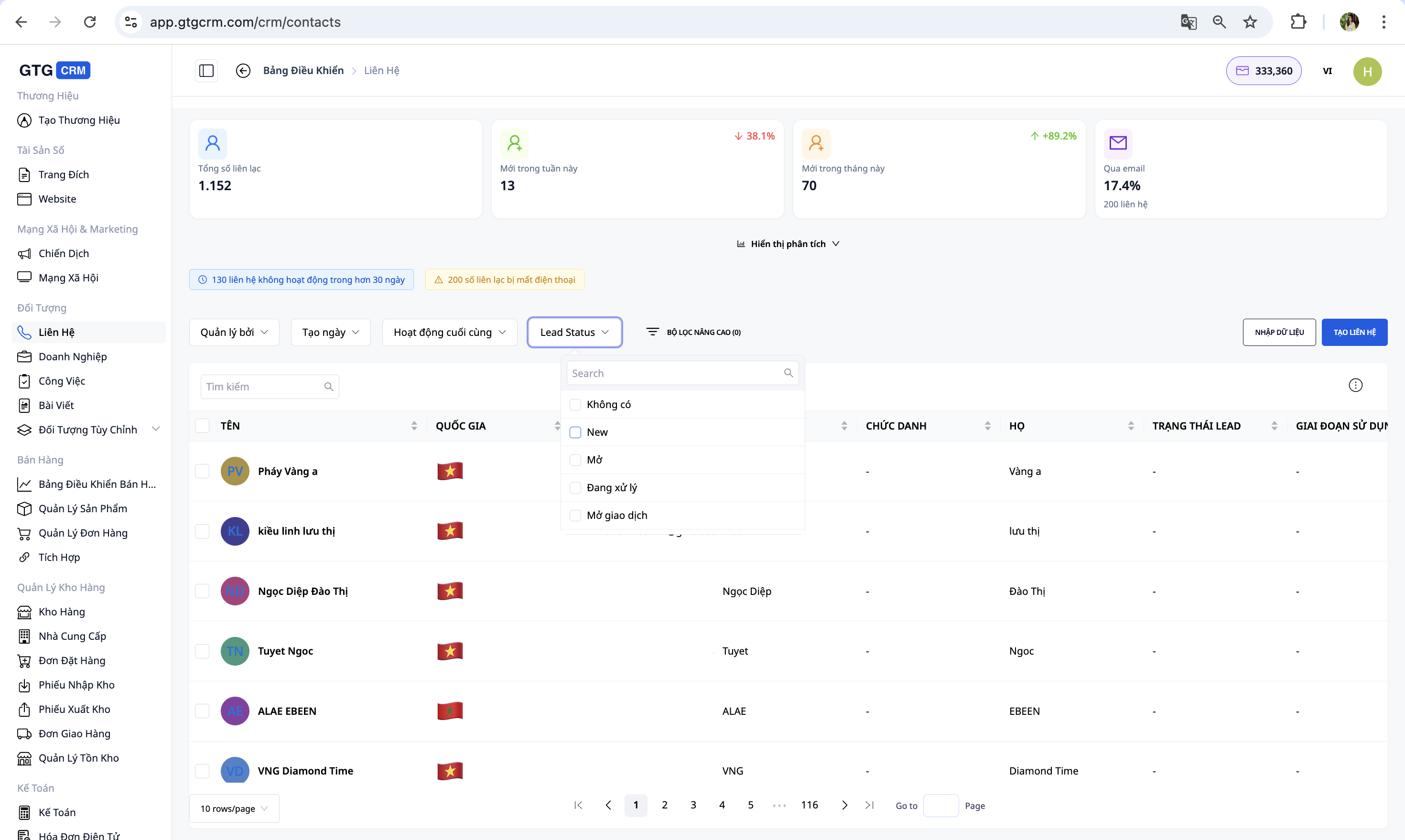
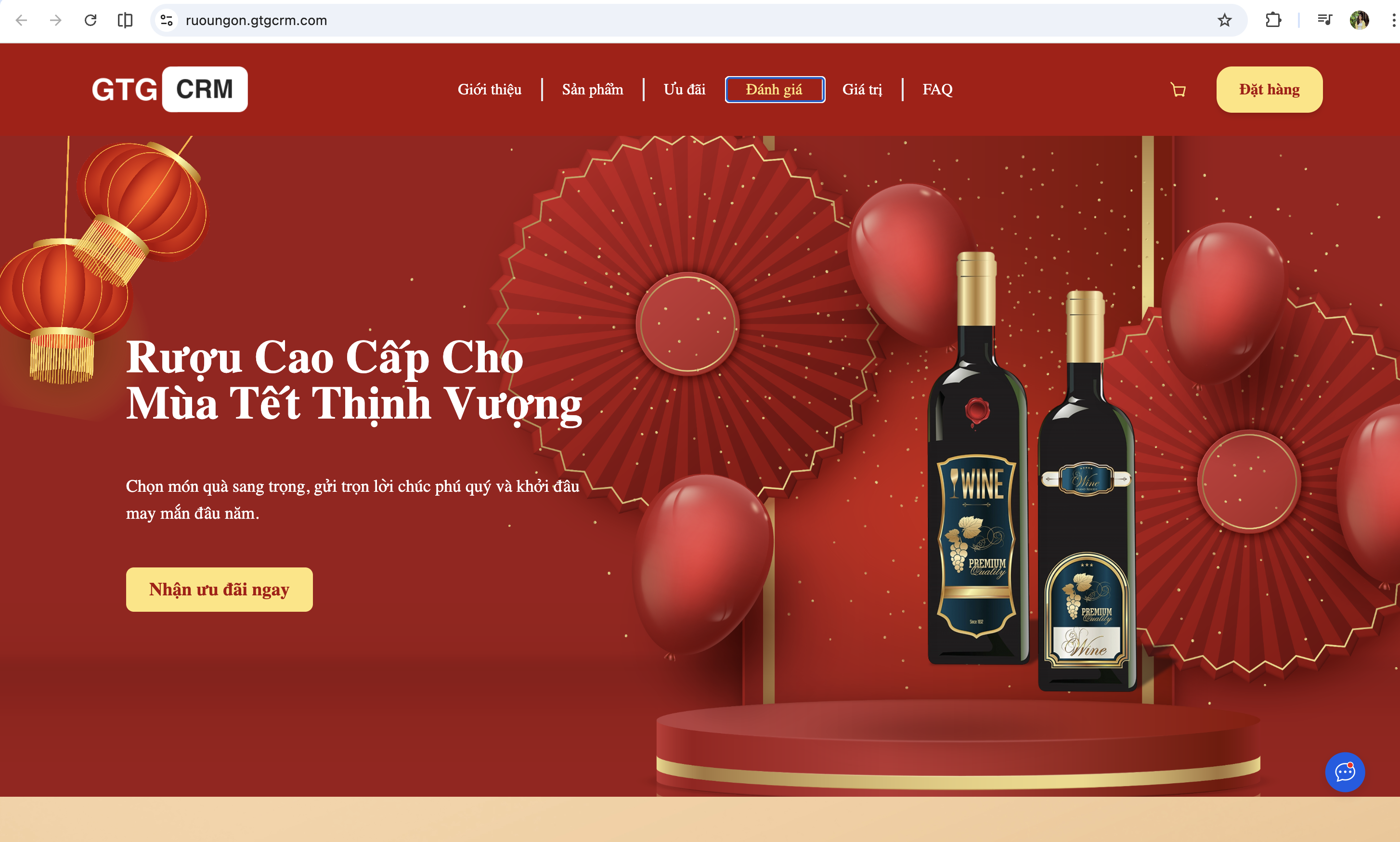 Εάν μια επιχείρηση έχει ήδη αρχίσει να λαμβάνει leads και χρειάζεται πιο κεντρική διαχείριση, το GTG CRM διαθέτει CRM για την πιο σαφή παρακολούθηση των δεδομένων των πελατών στην ίδια πλατφόρμα.
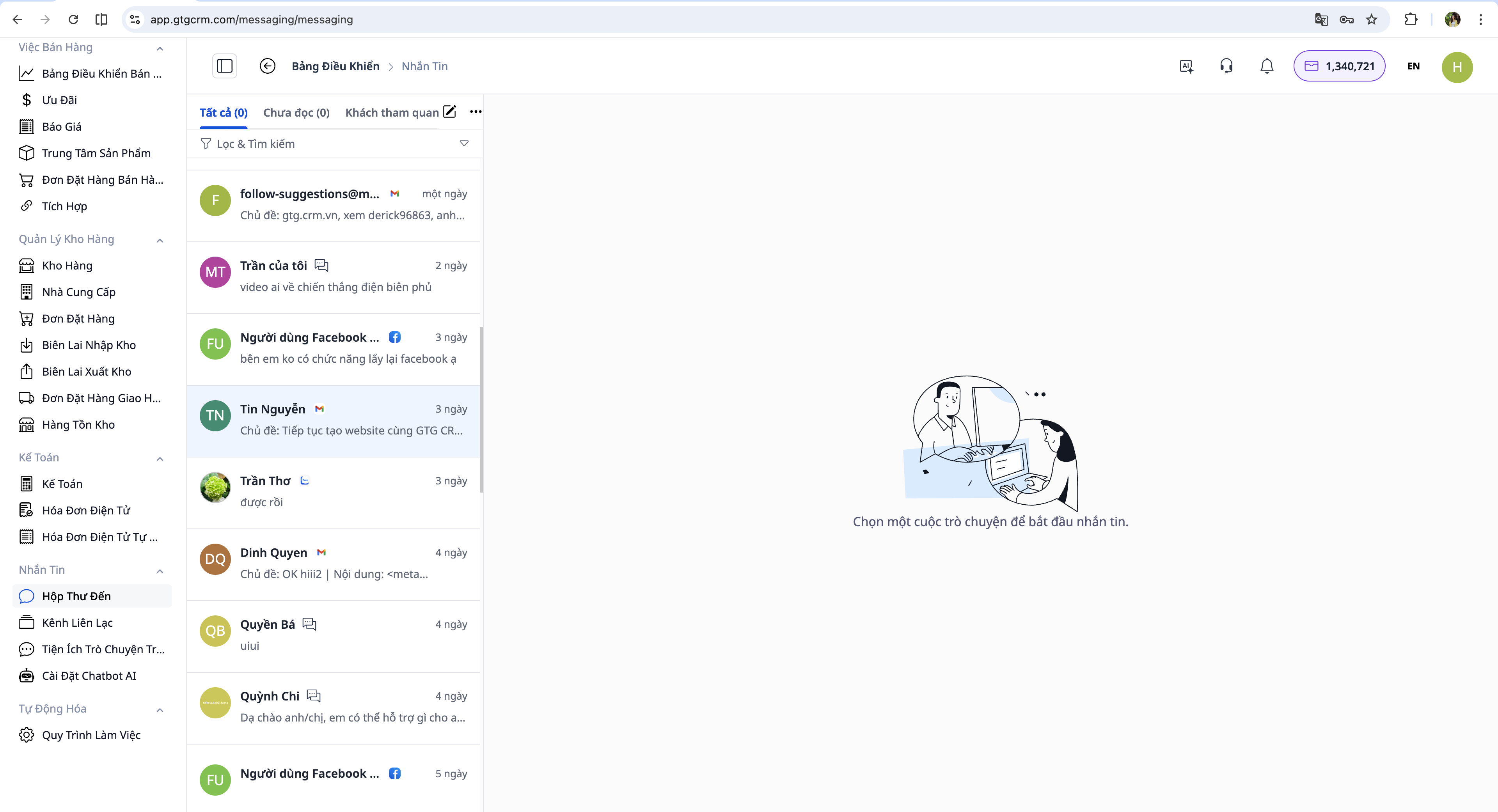
 Εάν μια επιχείρηση χρειάζεται να παρακολουθεί τις αλληλεπιδράσεις με πελάτες από πολλαπλά κανάλια, το σύστημα διαθέτει επίσης **messaging** για να υποστηρίξει τη συγκέντρωση των επικοινωνιών σε μια πιο σαφή ροή διαχείρισης.
 Η αξία δεν βρίσκεται μόνο σε κάθε μεμονωμένη λειτουργία, αλλά στο γεγονός ότι οι επιχειρήσεις μπορούν να χτίσουν μια πορεία βήμα-βήμα χωρίς να χρειάζεται να διαχωρίσουν το website, το landing page, το CRM και το messaging σε πάρα πολλά ανεξάρτητα εργαλεία από την αρχή.
Συμπέρασμα
Το ερώτημα SMB πρέπει να ξεκινήσει από website ή CRM πρώτα στην πραγματικότητα δεν έχει μια κοινή απάντηση για όλους. Το σημαντικό είναι να βλέπουμε τη σωστή ανάγκη της επιχείρησης.
Εάν χρειάζεται να αυξήσετε την αξιοπιστία και να βοηθήσετε τους πελάτες να εμπιστευτούν γρηγορότερα, ξεκινήστε από το website.
Εάν χρειάζεται να βελτιστοποιήσετε τη λήψη leads από την επισκεψιμότητα και τις διαφημίσεις, δώστε προτεραιότητα στο website ή landing page.
Εάν τα leads έρχονται αλλά οι πωλήσεις δεν προλαβαίνουν να τα διαχειριστούν, το CRM πρέπει να προηγηθεί.
Εάν η επιχείρηση χάνει πελάτες στο στάδιο της παρακολούθησης και εξυπηρέτησης, σκεφτείτε το CRM σε συνδυασμό με messaging.
Ο ψηφιακός μετασχηματισμός για τις μικρές επιχειρήσεις δεν χρειάζεται να ξεκινά με πολλά εργαλεία. Θα πρέπει να ξεκινά με τη σωστή επιλογή προτεραιότητας.
Και ακολουθώντας μια σαφή πορεία, οι επιχειρήσεις θα διευκολυνθούν να χτίσουν ένα πιο καθαρό σύστημα, πιο εύκολο στη λειτουργία και θα αποφέρουν σαφώς καλύτερα αποτελέσματα στην πράξη.
Μετατρέψτε ό,τι μόλις διαβάσατε σε πραγματικά αποτελέσματα — εφαρμόστε το τώρα με το GTG CRM, δωρεάν.
Εφαρμόστε τώρα