Paljud väikesed ja keskmise suurusega ettevõtted tunnevad pärast veebisaidi või maandumislehe loomist tuttavat tunnet: lõpuks on koht, kuhu kliente suunata, vormid juhtide kogumiseks, selged sihtlehed kampaaniate läbiviimiseks. See on suur samm edasi, sest vähemalt ei luba ettevõte enam liiklusel liiga hägusal teekonnal kulgeda.
Kuid peagi tekib järgmine küsimus: kuidas juhtide eest hoolitseda, kui need on olemas?
See on koht, kus paljud VKE-d hakkavad ummikusse jääma. Kasutajad täidavad vorme, jätavad oma e-posti aadressid, registreeruvad konsultatsiooniks või laadivad alla mingi materjali. Kuid pärast seda esimest sammu katkeb teekond sageli. Mõned ettevõtted vastavad aeglaselt. Mõned ettevõtted saadavad e-kirju, kui nad mäletavad, ja unustavad, kui nad on hõivatud. Mõnes kohas helistab müügimees korra, ei saa ühendust ja jätab asja sinnapaika. Tulemuseks on see, et juhtmed tulevad küll sisse, kuid neid ei hooldata järjepidevalt.
Seega, kui veebisait ja maandumislehed on osa, mis aitab ettevõtetel huvi äratada ja koguda, siis e-post ja automatiseerimine on osa, mis aitab ettevõtetel seda huvi piisavalt kaua säilitada, et see tõelisteks võimalusteks muuta.
Miks paljud ettevõtted saavad juhtmeid, kuid ei suuda neid järjepidevalt hooldada?
Esialgses etapis toimub juhtmete hooldus sageli üsna käsitsi. Kui ilmub uus juht, saadetakse käsitsi e-kiri, saadetakse käsitsi sõnum või helistatakse meeldetuletuse põhjal. See võib toimida, kui juhtmeid on vähe. Kuid kui ettevõte hakkab omama veebisaiti, maandumislehti, registreerumisvorme ja rohkem puutepunkte, ilmnevad käsitsi töötamise piirangud väga kiiresti.
Probleem ei seisne selles, et ettevõte ei taha juhtmeid hooldada. Probleem seisneb selles, et meeskonnal ei ole alati piisavalt aega, et igaühe eest järjepidevalt hoolitseda.
Sageli esinevad järgmised märgid:
- Uus juht siseneb, kuid esimene e-kiri saadetakse alles mõne päeva pärast
- Klienti, kes on alla laadinud materjali või jätnud oma andmed, ei järgi
- Müügimeeskond keskendub ainult kuumadele juhtmetele, samal ajal kui uurivaid juhtmeid unustatakse
- Saadetav sisu on ebajärjekindel, mõnikord on, mõnikord ei ole
- Turundus loob juhtmeid, kuid pärast seda puudub piisavalt selge hooldusvoog, et huvi säilitada
Siin hakkab e-post ja automatiseerimine mängima selgemat rolli. Mitte sellepärast, et ettevõte peab tegema midagi väga keerulist, vaid sellepärast, et ettevõte vajab juhtmete hooldamise viisi, mis oleks järjepidevam, õiglasemal ajal ja vähem sõltuv üksikisikute mälust.
Millal ettevõte hakkab vajama automatiseerimist?
Pole nii, et iga veebisaidi olemasolu tähendab kohest automatiseerimise kasutuselevõttu. Kuid kui ettevõte on ühes järgmistest olukordadest, on aeg tõsisemalt mõelda:
1. Kui veebisait või maandumisleht on hakanud stabiilselt juhtmeid looma
Kui iga nädal täidetakse vorme, registreeritakse demo, jäetakse e-posti aadress või saadetakse konsultatsioonipäring, siis on aeg, et ettevõte vajab selgemat jälgimisvoogu. Vastasel juhul jäetakse need juhtmed järk-järgult tähelepanuta või hooldatakse väga ebajärjepidevalt.
2. Kui müügimeeskond on väike ja ei saa igale juhtmele kohe järgneda
See on VKE-de puhul väga levinud olukord. Müügimehed peavad eelistama kuumi juhtmeid, kuid see ei tähenda, et need juhtmed, kes pole kohe ostmiseks valmis, poleks olulised. Automatiseerimine aitab selle tühimiku täita, hoides juhtmetega kontakti, samal ajal kui müügimeeskond keskendub lähemal olevatele võimalustele.
3. Kui ettevõte soovib juhtmeid kasvatada, mitte lihtsalt oodata, kuni juhtmed ise tagasi tulevad
Paljud juhtmed ei osta esimesel korral. Nad vajavad rohkem aega, rohkem teavet või rohkem usaldust. Kui ettevõttel pole viisi, kuidas neid pärast esimest kontakti nendega koos olla, on suur tõenäosus, et see inimene jahtub ja kaob.
Teisisõnu, automatiseerimine muutub vajalikuks, kui ettevõte mitte ainult ei soovi juhtmeid saada, vaid ka ei lase juhtmeid kaduda pärast nende saamist.
Millist rolli mängivad e-post ja automatiseerimine pärast veebisaiti ja maandumislehti?
Veebisaidid ja maandumislehed teevad reeglina teekonna alguse hästi. Nad aitavad klientidel ettevõttest teada saada, teenuseid või pakkumisi mõista ja seejärel oma andmed jätta. Kuid pärast seda hetke ei muutu klient kohe müügivõimaluseks.
On olemas väga oluline vahe: hetkest, mil klient jätab oma andmed, kuni hetkeni, mil klient on piisavalt valmis sügavamaks suhtluseks või otsuse tegemiseks. E-post ja automatiseerimine asuvad just selle vahepeal.
Nende roll koosneb tavaliselt kolmest osast:
- Hoidke huvi katkemata
- Paku õigel ajal lisateavet
- Aidake müügitiimil süsteemsemalt potentsiaalsetele klientidele järgneda
See on eriti oluline väikeettevõtete jaoks, kuna neil ei pruugi alati olla piisavalt inimesi, et iga potentsiaalset klienti lähedalt jälgida.
3 põhivoogu, millele väike- ja keskmise suurusega ettevõtted peaksid eelkõige mõtlema
Mitte iga ettevõte ei vaja väga pikka automatiseerimissüsteemi. Väikeettevõtete jaoks võib mõnikord piisata paarist põhivoost, mis on õigesti rakendatud, et suurt erinevust luua.
1. Tervitusvoog pärast vormi täitmist
See on väga põhiline, kuid ülimalt oluline voog.
Kui klient on just oma andmed veebisaidil või maandumislehel jätnud, on huvi kõige värskem. Esimese õigeaegselt saadetud e-kiri aitab kinnitada, et ettevõte on andmed vastu võtnud, luues samal ajal professionaalsema ja proaktiivsema mulje.
See voog sobib tavaliselt klientidele, kes:
- registreeruvad konsultatsiooniks
- laadivad alla materjale
- registreeruvad demo jaoks
- jätavad vormi kaudu oma vajadused
Esimene e-kiri ei pea olema liiga pikk. Oluline on selgus, eesmärgi täitmine ja see, et klient teab, mis on järgmine samm.
2. Potentsiaalsete klientide kasvatamine sisu või seotud teabega
Mitte igaüks, kes oma e-posti jätab, ei ole kohe ostuks valmis. Mõned inimesed on uurimis-, võrdlemis- või sobiva aja ootamise etapis. Siin hakkab potentsiaalsete klientide kasvatamise e-kiri toimima.
Ettevõtted saavad jätkata sellise sisuga:
- teenuse või lahenduse selgem selgitamine
- juhtumiuuringud või praktilised näited
- korduma kippuvad küsimused (KKK)
- punktid, mis aitavad kliendil paremini mõista nende huvipakkuvat probleemi
See voog aitab ettevõttel pärast esimest kontakti kaduda. Samuti aitab see potentsiaalsetel klientidel ettevõtet kauem meeles pidada, selle asemel, et huvi jahtuda laseks.
3. Märguandevoog või mitte-vastanud potentsiaalsete klientide taasaktiveerimine
See on väga kasulik, kuid sageli unustatud voog. Paljud potentsiaalsed kliendid on kunagi huvi tundnud, vormi täitnud või e-kirju avanud, kuid pole seejärel edasisi samme teinud. Ilma märguandevooluta jäävad need potentsiaalsed kliendid sageli süsteemi passiivseks.
Mõistlik märguandeseeria võib aidata ettevõttel tähelepanu tagasi tõmmata, tehes seda järgmiselt:
- peamise väärtuse või eeliste meeldetuletamine
- järgmist sammu soovitamine, näiteks kohtumise aja broneerimine, demo vaatamine või vajadustele reageerimine
- selgema põhjuse andmine vestlusesse naasmiseks
Väikeettevõtete jaoks võib juba selle potentsiaalsete klientide rühma hea ärakasutamine märkimisväärselt parandada müügijärgse toe efektiivsust.
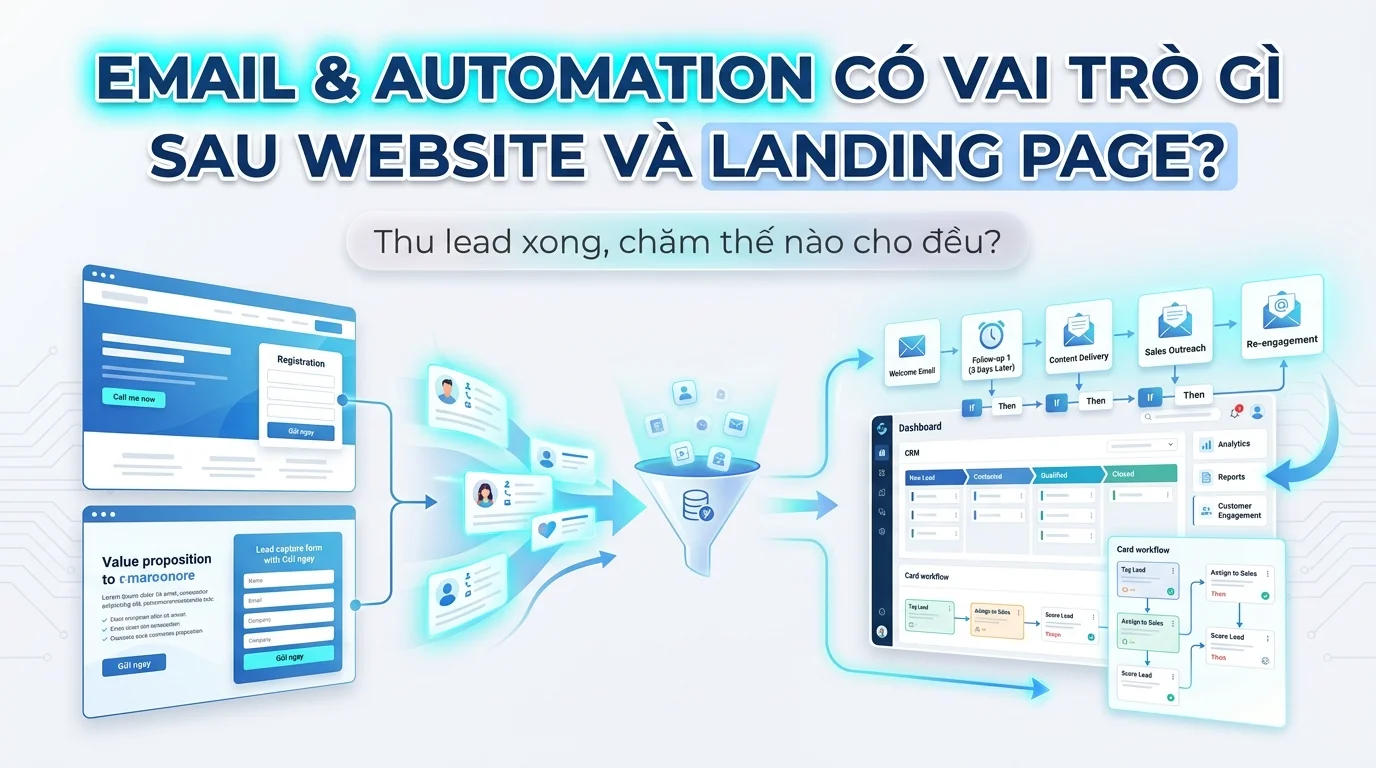
Kuidas peaksid veebisait, CRM, e-post ja automatiseerimine koos töötama?
See on kõige olulisem koht. Kui e-post ja automatiseerimine on veebisaidist ja CRM-ist eraldatud, on ettevõttel operatsioonides kergesti katkestusi.
Mõistlik voog järgib tavaliselt järgmist loogikat:
- Veebisait või maandumisleht on koht, kus klient oma andmed jätab
- CRM on koht, kus kliendid registreeritakse ja nende andmeid jälgitakse
- E-post ja automatiseerimine on osa, mis aitab säilitada kontakti ja kasvatada potentsiaalseid kliente vastavalt olukordadele
Kui need kolm osa töötavad koos, ei piirdu ettevõtte tegevus ainult "vormi olemasoluga veebis". Ettevõte hakkab nägema selgemat teekonda alates kliendi veebi sisenemisest, andmete jätmisest, CRM-i registreerimisest ja e-posti või automatiseerimise abil jätkuvast jälgimisest.
Just see järjepidevus aitab tagada, et potentsiaalsed kliendid ei kao pärast esimest kontakti.
Kuidas GTG CRM seda probleemi toetab?
GTG CRM sobib väike- ja keskmise suurusega ettevõtetele, kellel on veebisait või maandumisleht ja kes soovivad edasi liikuda pideva müügijärgse toetuse etappi.
Kui potentsiaalne klient (lead) tuleb veebisaidilt või sihtlehelt, saab ettevõte paremini hallata andmeid CRM-is, selle asemel, et teave oleks hajutatud. Sellest tulenevalt võivad e-post ja automaatika saada hoolduse järgmiseks osaks, mitte üksikuks käsitsi tehtud sammuks, mida tehakse juhuslikult.
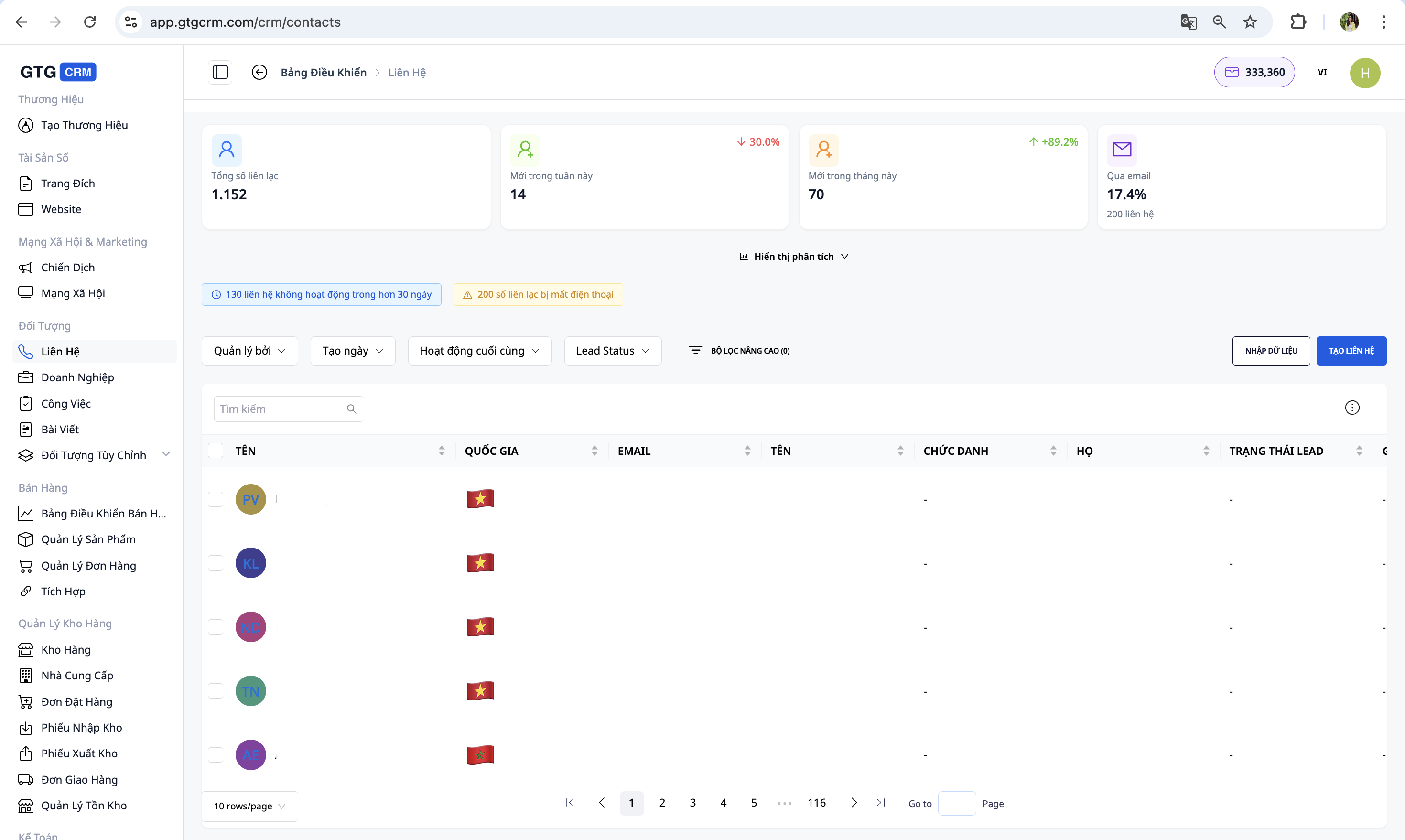 GTG CRM-iga saab ettevõte luua töövoo järgi e-kirjade, sõnumite või teadete saatmise voogusid, et toetada potentsiaalsete klientide (lead) kasvatamist ja klientide jälgimist. Siin ei ole oluline muuta süsteemi väga keeruliseks. Suurem väärtus peitub selles, et ettevõte hakkab potentsiaalsete klientide eest hoolitsema järjepäревemalt, õigel ajal ja vähem sõltudes isiklikust mälust.
Kui veebisait aitab ettevõttel selgemalt esimest kontakti luua, siis e-post ja automaatika aitavad reisi järgmist osa katkestusteta jätkata.
Kokkuvõte
Veebisaidid ja sihtlehed on väga oluline alus tähelepanu äratamiseks ja potentsiaalsete klientide kogumiseks. Kuid kui ettevõte pärast seda ei suuda järjepäρεvalt hoolitseda, jäävad paljud potentsiaalsed kliendid tasemele “olid kunagi huvitatud”.
E-post ja automaatika aitavad selle tühimiku täita. Need aitavad ettevõttel säilitada suhtlusliini, paremini potentsiaalseid kliente kasvatada ja luua selgem jälgimisvoo pärast seda, kui klient on oma andmed jätnud.
Väike- ja keskmise suurusega ettevõtete jaoks ei ole see midagi, mida kohe alguses väga suures mahus teha. Kuid kui veebisaidid ja sihtlehed hakkavad potentsiaalseid kliente looma, on e-post ja automaatika järgmine samm, mida tasub kaaluda, et müügisüsteem ei katkeks keset teekonda.
GTG CRM-iga saab ettevõte veebisaidi e-posti ja automaatikaiga ühendada lihtsamalt, muutes potentsiaalsete klientide eest hoolitsemise loomulikuks osaks operatsioonivoolust, mitte lisatööks siis, kui aega on.
Muuda loetu reaalseks tulemuseks — rakenda seda GTG CRM-iga, tasuta.
Rakenda kohe