Kuna reklaamikulud kasvavad ja tarbijakäitumine muutub üha keerulisemaks, ei ole enam tõhusaks strateegiaks keskenduda ainult uute klientide hankimisele. Suur osa tegelikust tulust tuleb neilt, kes on varem suhelnud, kuid pole veel ostuotsust teinud.
Retargeting ei ole enam "abi" tehnika, vaid on muutunud moodsa turundusstrateegia tugisambaks, eriti veebipõhiste ettevõtete, e-kaubanduse ja B2B-teenuste puhul.
Mis on retargeting?
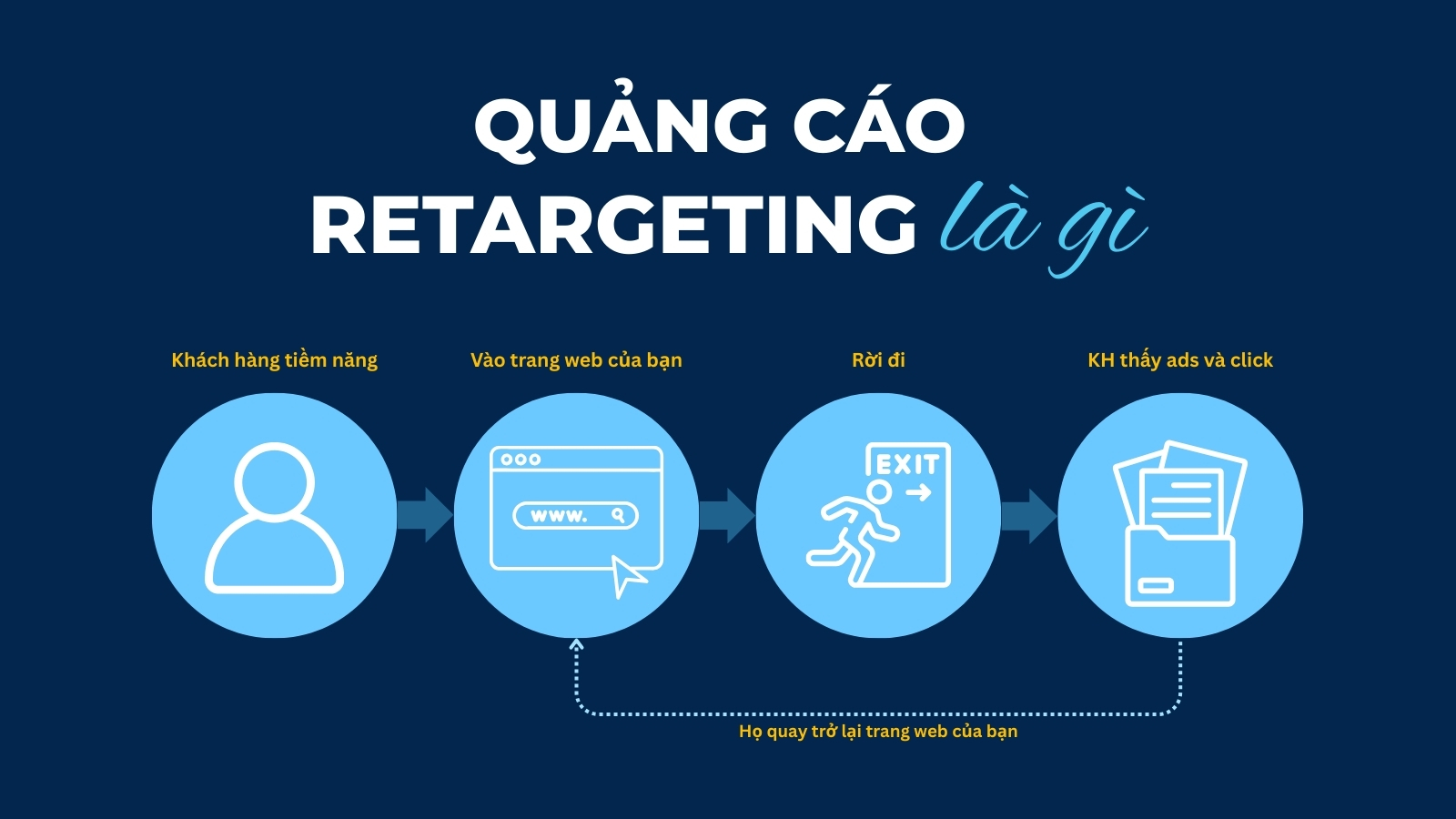
Retargeting on reklaamistrateegia, mis suunatakse tagasi inimeste poole, kes on ettevõttega varem suhelnud, kuid pole sooritanud konversiooni, näiteks külastanud veebisaiti, vaadanud toodet, lisanud ostukorvi või interageerinud reklaamisisuga.
Selle asemel, et jõuda täiesti uue publikuni, keskendub retargeting inimestele, kes on näidanud üles teatud huvi, suurendades seeläbi konversioonivõimalusi ja optimeerides reklaamikulusid. See strateegia võimaldab ettevõtetel kuvada sobivaid sõnumeid vastavalt iga kliendigrupi käitumisele ja kavatsusele.
Tegelikult ei ole retargeting ainult "reklaamide uuesti kuvamine", vaid protsess, mis juhib kliente läbi erinevate etappide, alates brändimälu loomisest, tootearusaamisest kuni ostuotsuse tegemiseni.
Ettevõtete praegused retargetingu probleemid
Mitte kõik ettevõtted ei kasuta retargetingut tõhusalt. Tegelikult seisavad paljud kampaaniad endiselt silmitsi põhiprobleemidega.
- Külastajad ei tähenda ostjaid: Enamik kasutajatest lahkub veebisaidilt pärast esimest külastust. Ilma segmentimis- ja kasvatamisstrateegiata jätab ettevõte ilma kõrge potentsiaaliga kliendigrupist.
- Käitumisandmed on killustatud ja katkendlikud: Kliendid võivad vaadata tooteid veebisaidilt, suhelda Facebookis, seejärel otsida uuesti Google'is. Kui andmed on jagatud, on ettevõttel raske tuvastada õiget aega ja sõnumit retargetinguks.
- Puudulik isikupärastamine reklaamisõnumites: Üks reklaamimudel, mida kasutatakse kogu publikule, alates blogi lugejatest kuni ostukorvi jätnud inimesteni, vähendab oluliselt tõhusust ja raiskab eelarvet.
- Kuvamissagedust ei kontrollita: Reklaamide liigne kuvamine põhjustab väsimust, samas kui liiga vähe kuvamist ei loo piisavalt meeldejäävat mõju.
Milliseid võimalusi retargeting ettevõtetele pakub?
Kui seda õigesti rakendada, pakub retargeting märkimisväärseid eeliseid võrreldes uute klientide otsimisega.
- Suurendab konversioonimäära madalamate kuludega: Brändiga tuttavatel klientidel on alati kõrgem ostutõenäosus kui täiesti uutel klientidel, mis parandab märgatavalt CPA-d ja ROAS-i.
- Optimeerib kliendirännakut igas etapis: Retargeting võimaldab ettevõtetel jõuda klientideni vastavalt nende tegelikule huvitasemele, juhtides neid seega samm-sammult konversioonini.
- Kasutab andmeid tunnetest sõltumise asemel: Reklaamio Otsused põhinevad kasutajate tegelikul käitumisel, mitte oletustel.
- Laiendab tulu vanadelt klientidelt: Upsell, cross-sell ja win-back muutuvad stabiilseks kasvuallikaks, kui neid korralikult korraldatakse.
Retargeting-kampaania tõhusa rakendamise saladused
Sihtrühmade segmentimine kavatsuse taseme järgi
Mitte kõik külastajad ei ole võrdse väärtusega. Ettevõtted peavad selgelt jagama:
- Kõrge huviastmega grupp (Hot): Ostukorvist loobumine, maksmise alustamine, kuid mitte lõpetamine. Seda gruppi tuleb esmajärjekorras prioriteerida kiire tegutsemise soodustamiseks.
- Keskmise huviastmega grupp (Warm): Tootete vaatamine, hinnakirjade vaatamine, lahenduste võrdlemine. Sisu peaks keskenduma kasudele, sotsiaalsele tõestusele ja küsimustele vastamisele.
- Madal huviastmega grupp (Cool): Blogi lugemine, tutvustuslehe vaatamine. Sel etapil tuleks kasutada harivat sisu ja brändi tuntuse loomist.
- Olemasolevad kliendid: Sageli unustatud grupp, kuid suure potentsiaaliga teenida tänu lisamüügile ja pikaajalisele kliendihooldusele.
Retargeting-kampaania struktuuri kujundamine
Tõhus retargeting-strateegia tuleks jagada väiksemateks osadeks, mitte ühendada.
- Kõrge huviastmega grupi kampaania: Keskenduda ostukorvi või maksete poolelijätmisele, ajastades pakkumisi, et tekitada kiirustunnet.
- Keskmise huviastmega grupi kampaania: Retargeting vaadatud toote või kategooria järgi, kasutades dünaamilisi reklaame.
- Hooldus- ja taasaktiveerimiskampaaniad: Suunatud sisuga interakteerunutele, endistele klientidele või klientidele, kes pole pikka aega tagasi pöördunud.
- Järjestikune retargeting (Sequential): Sujuv viimine brändi tundmaõppimiselt, tootehariduselt konversiooni soodustamiseni.
Sisu isikupärastamine ja sageduse kontrollimine
- Sõnum peab sobima igale segmendile: Ostukorvi maha jätnud klient vajab tegutsemiskutset, mitte brändi tutvustavat sisu. Vastupidi, uued kliendid vajavad enne müüki usalduse loomist.
- Dünaamilised reklaamid suurendavad seotust: Näidake õigeid tooteid, mida klient on vaadanud, koos hinna, arvustuste ja seotud soovitustega.
- Sageduse haldamine, et vältida "reklaamimürgitust": Mõistlik sagedus aitab säilitada tuntust, tekitamata negatiivseid tundeid ja kaitstes samal ajal brändi mainet.
Kuidas GTG CRM aitab retargeting-protsessi süsteemselt ellu viia?
GTG CRM toimib andmeplatvormi ja keskmise operatsioonikeskusena, aidates ettevõtetel süsteemselt retargeting-protsessi ellu viia:
- Kliendi käitumisandmete koondamine: Kõik veebisaidi, maandumislehtede, reklaamide ja sõnumite interaktsioonid salvestatakse ühele platvormile, luues täieliku klienditeekonna pildi.
- Retargeting-maandumislehtede loomise tugi: Maandumislehed on optimeeritud vastama iga kliendigrupi küsimustele, aidates suurendada konversioonimäära retargeting-protsessis.
- Klientide ja segmentide haldamine CRM-is: Ettevõtted saavad hõlpsasti luua retargeting-faile vastavalt käitumisele, ajale ja kliendi olekule.
Järeldus
Retargeting ei ole lihtsalt "reklaamide uuesti jooksmine inimestele, kes neid vaatasid", vaid andmepõhine klienditeekonna haldamise strateegia. Mida varem ja süsteemsemalt ettevõtted retargeting-protsessi ellu viivad, seda selgemaks muutub nende konkurentsieelis, eriti kasvavate turunduskulude tingimustes.
Investeerimine tsentraliseeritud haldusplatvormi, nagu GTG CRM, aitab ettevõtetel mitte ainult parandada reklaamide tõhusust, vaid ka luua jätkusuutlik ja pikaajaliselt skaleeritav turundusoperatsioonisüsteem.
Muutke just loetu reaalseks tulemuseks — rakendage kohe GTG CRM-iga, tasuta.
Rakendage kohe