Hvað er Leyfisveiting?
Leyfisveiting í GTG CRM hjálpar fyrirtækjum að skilgreina skýrt: - Hvað hver notandi getur skoðað - Hvaða gögn geta þeir breytt - Hvaða aðgerðir þeir mega framkvæma í kerfinu
Með því að setja upp hlutverk (role) með sérstökum heimildum, tryggir fyrirtækið að hver og einn geri aðeins sinn hluta af vinnunni.
Af hverju þurfa fyrirtæki Leyfisveitingu?
Áhætta þegar engin Leyfisveiting er fyrir hendi
| Vandamál | Afleiðingar |
|---|---|
| Gögnum er aðgangur frjálslega | Upplýsingar um viðskiptavini, tekjur leka út |
| Vinna skarast | Margir eru að vinna sama verkefni |
| Villur sem ekki er hægt að stjórna | Eyða gögnum fyrir slys, breyta mikilvægum gögnum fyrir slys |
| Mikilvægum upplýsingum lekið út | Starfsmenn sjá laun, kostnað, stefnumótun |
Ávinningur þegar Leyfisveiting er fyrir hendi
| Ávinningur | Lýsing |
|---|---|
| Örugg rekstur | Hver og einn sér/gerir aðeins sinn hluta |
| Forðast villur | Enginn eyðir/breytir mikilvægum gögnum fyrir slys |
| Auðvelt að stækka | Bæta við nýjum starfsmönnum, þarf bara að úthluta hlutverki |
| Auðvelt að stjórna | Vitað er nákvæmlega hver gerir hvað, skýr ábyrgð |
Sjálfgefinn Hlutverk
GTG CRM býður upp á 3 sjálfgefin hlutverk:
Administrator
- Hæstu heimildirnar í kerfinu
- Getur framkvæmt allt aðgerðir á kerfinu
- Hefur sjálfkrafa aðgang að Stillingum
Marketing Manager
- Stjórnar markaðsherferðum
- Skoðar skýrslur, tölfræði
- Stjórnar markaðsteymi
Marketing Staff
- Framkvæmir dagleg verkefni markaðssetningar
- Takmarkaðri heimildir en Manager
Sérsniðin Leyfisveiting eftir einingum
Sérsníða leyfi fyrir hverja einingu með kveikja/slökkva rofa:
| Eining | Leyfi sem hægt er að veita |
|---|---|
| Sjálfvirk Vinnuflæði | Búa til, Skoða, Uppfæra, Eyða |
| Lendingarsíða | Búa til, Uppfæra, Birta, Afbirt, Eyða, Breyta Sérsniðnu Léni |
| Markaðssetning | Skoða samfélagsfærslur, Stjórna herferðum |
| CRM | Skoða alla tengiliði, Flytja inn, Flytja út, Breyta, Eyða |
| Tölvupóstur | Búa til, Send, Skoða skýrslur |
| Skilaboð | Skoða, Svara, Stjórna rásum |
| Vöru Birgðamiðstöð | Stjórna vörum, Skoða birgðir |
| Netverslun | Stjórna pöntunum, Skoða skýrslur |
| Greiðslur | Skoða reikninga, Stjórna greiðslum |
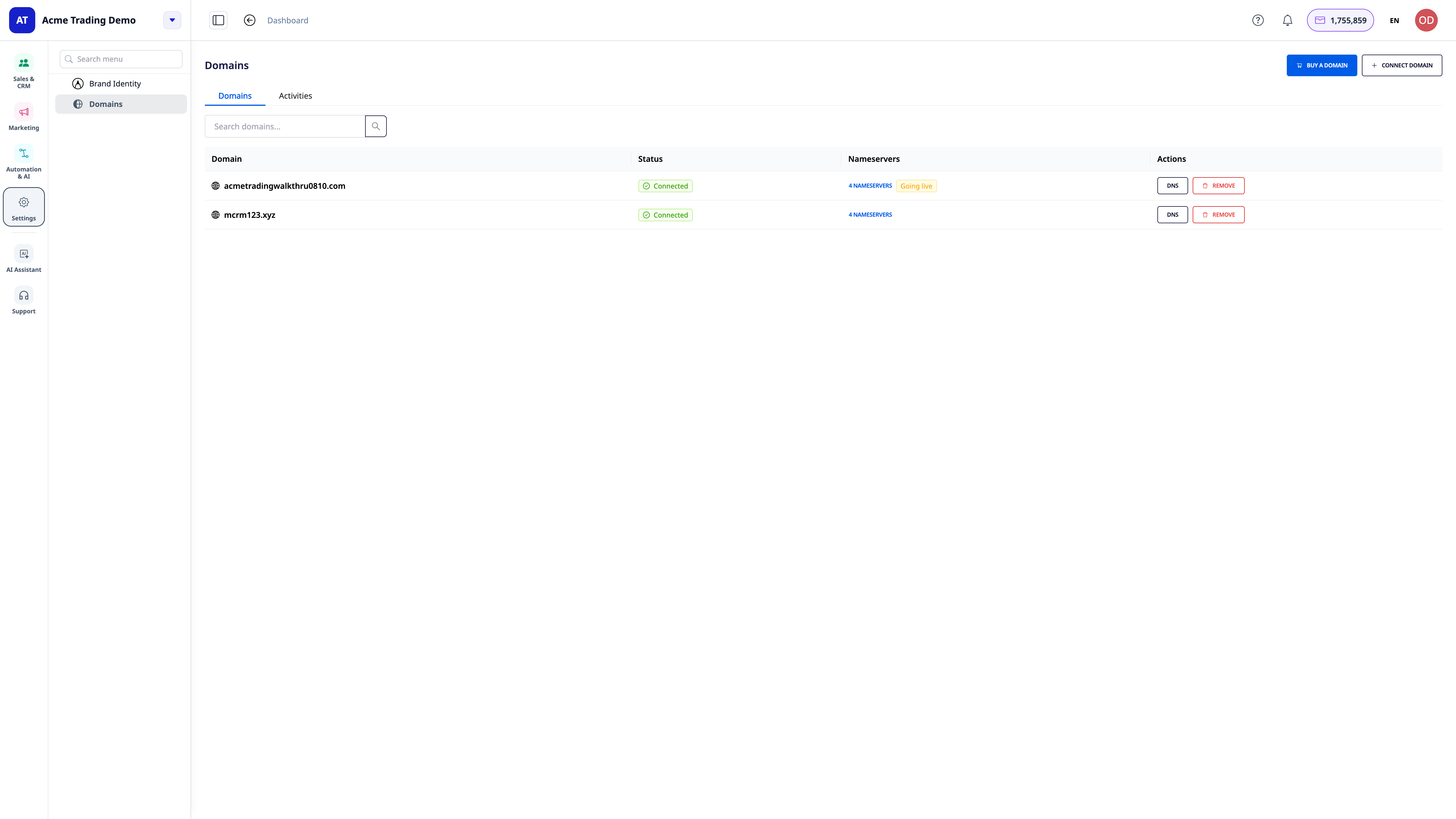
| Stillingar | Stjórna vinnusvæði, Stjórna notendum |
Staðlað Leyfisnafn DOMAIN_ACTION_OBJECT
Nafngreiningarreglur
Öll leyfisnöfn í GTG CRM eru staðluð samkvæmt Samningsreglu A - DOMAIN_ACTION_OBJECT:
DOMAIN_ACTION_OBJECT
  │         │       │
  │         │       └── Hlutur (þeim sem verður fyrir áhrifum: REIKNINGUR, NOTANDI, TENGILIÐUR...)
  │         └── Aðgerð (athöfn: SKOÐA, BÚA TIL, STJÓRNA, EYÐA...)
  └── Lén (svið: GREIÐSLUR, VINNUSVÆÐI, CRM, SJÁLFVIRKNI...)
Dæmi um Leyfisnöfn Samningsreglu A
| Lénun | Nafn Réttar | Merking |
|---|---|---|
BILLING_ |
BILLING_VIEW_INVOICE |
Skoða reikning |
BILLING_ |
BILLING_ADD_PAYMENT_METHOD |
Bæta við greiðslumáta |
WORKSPACE_ |
WORKSPACE_ACTION_USER |
Stjórna notendum vinnusvæðis |
WORKSPACE_ |
WORKSPACE_VIEW_BILLING_MEMBER |
Skoða reikningsupplýsingar |
AUTOMATION_ |
AUTOMATION_WORKFLOW_CREATE |
Búa til sjálfvirka vinnuflæði |
AUTOMATION_ |
AUTOMATION_WORKFLOW_DELETE |
Eyða sjálfvirku vinnuflæði |
CRM_ |
CRM_OBJECT_VIEW |
Skoða CRM hluti |
CRM_ |
CRM_VIEW_ALL_CONTACT |
Skoða alla tengiliði |
Af hverju þarf Samþykki A?
Áður fyrr voru réttindanáfnin ekki samkvæm: SEND_EMAIL, CREATE_LANDING_PAGE, VIEW_BILLING — erfitt að skilja og stjórna þegar fyrirtæki hefur tugi mismunandi réttinda.
Samþykki A leysir þetta vandamál með því að:
- Skýr flokkun eftir Léni → auðveldara að finna tengd réttindi
- Samkvæmar aðgerðir → VIEW er alltaf skoða, CREATE er alltaf búa til
- Auðvelt að gera úttekt → þarft bara að leita að BILLING_ til að sjá öll réttindi tengd reikningum
Administrator Fær Sjálfkrafa Aðgang að Stillingum
Notendur með Administrator hlutverk fá sjálfkrafa aðgang að öllum Stillingum - engin þörf á að úthluta neinum fleiri réttindum.
Ferli Réttindaúthlutunar
┌─────────────┐    ┌─────────────┐    ┌─────────────┐
│  Búa til Nýtt│ ─► │  Sérsniðin  │ ─► │  Úthluta   │
│  Hlutverk  │    │  Réttindi   │    │  Hlutverki til Notanda │
└─────────────┘    └─────────────┘    └─────────────┘
      │                  │                  │
      ▼                  ▼                  ▼
   Nefna,            Kveikja/slökkva       Velja notanda,
   lýsa              á einstök réttindi    velja hlutverk
Dæmi: Úthlutun Réttinda fyrir Deildir
| Hlutverk | Aðal Lén | Dæmi um Samþykki A Réttindi |
|---|---|---|
| Framkvæmdastjóri/Eigandi | Allt | Administrator |
| Sölu | CRM, Messaging, Email | CRM_VIEW_ALL_CONTACT, CRM_OBJECT_VIEW |
| Markaðssetning | Markaðssetning, Auglýsingar, Lækkunarsíður | AUTOMATION_WORKFLOW_CREATE, LANDING_PAGE_CREATE |
| Stuðningur | Messaging, Miði | CRM_OBJECT_VIEW (aðeins til lestrar) |
| Vöruhús | Vara, Pöntun | (einingarsértækt) |
| Fjármál | Reikningur | BILLING_VIEW_INVOICE, BILLING_ADD_PAYMENT_METHOD |
Samantekt
Með Réttindastjórnun í GTG CRM:
- Stækkaðu lið þitt en haltu stjórn
- Verndaðu mikilvægar fyrirtækisgögn
- Standard nafn réttinda Samþykki A - skýrt, auðvelt að gera úttekt á
- Administrator fær sjálfkrafa Stillingar - engar fleiri rangar stillingar
- Rekstur á faglegan hátt eins og stór fyrirtæki