Småbedriftseieres reelle bekymringer
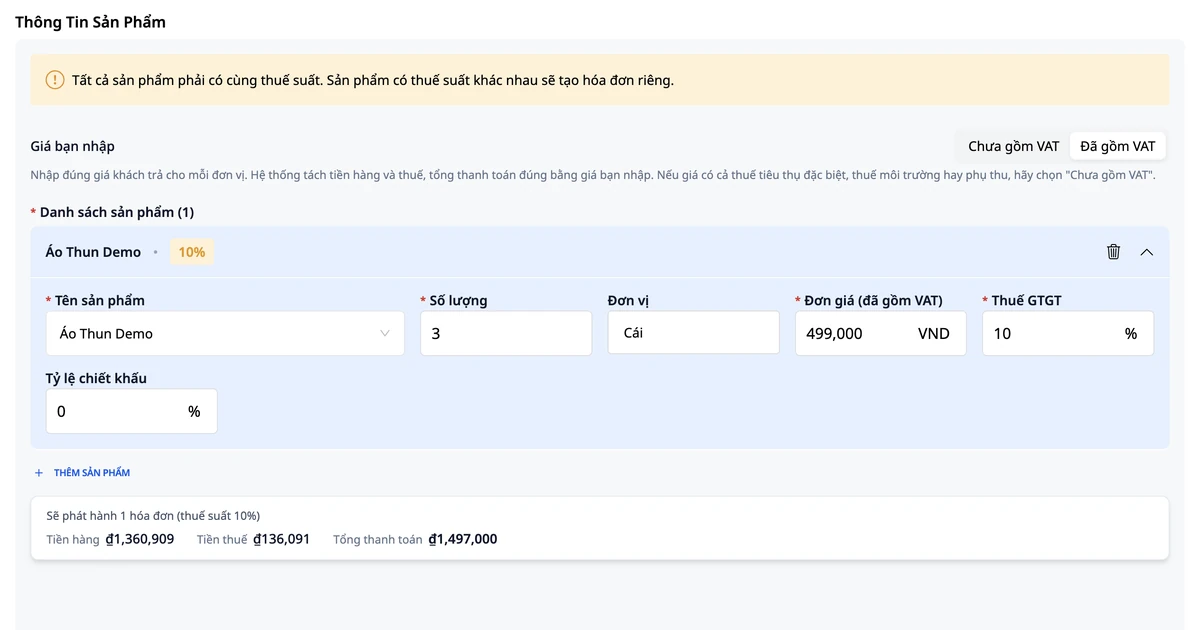
Du driver en god virksomhet, pengene kommer jevnt inn på kontoen. Men når det er tid for å gjøre opp bøkene – eller enda verre, når skattemyndighetene banker på – blir det enkle spørsmålet «hvilken faktura gjelder disse pengene?» pinlig. Bankutskriften på den ene siden, regnskapsbøkene på den andre, og fakturaene et helt annet sted. Å matche dem manuelt tar en hel ettermiddag og du frykter fortsatt å ha oversett noe.
For småbedrifter kan en skatterevisjon fort bli et mareritt bare fordi pengene på bankkontoen ikke kan matches med fakturaer og regnskap.
Prisen for et "skjevt" regnskap i forhold til banken
- Du vet ikke om du har mottatt nok penger for varene dine – det er vanskelig å oppdage både for lite og for mye mottatt.
- Gjeld er uklart, og forretningsbeslutninger tas basert på usikre tall.
- Ved skatterevisjon kan du ikke forklare kontantstrømmen → du risikerer tilleggsskatt og bøter.
- Du bruker penger på ekstern hjelp bare for å "rette opp" regnskapet med banken hver periode.
Hvordan GTG CRM lukker syklusen penger ⇄ faktura ⇄ regnskap
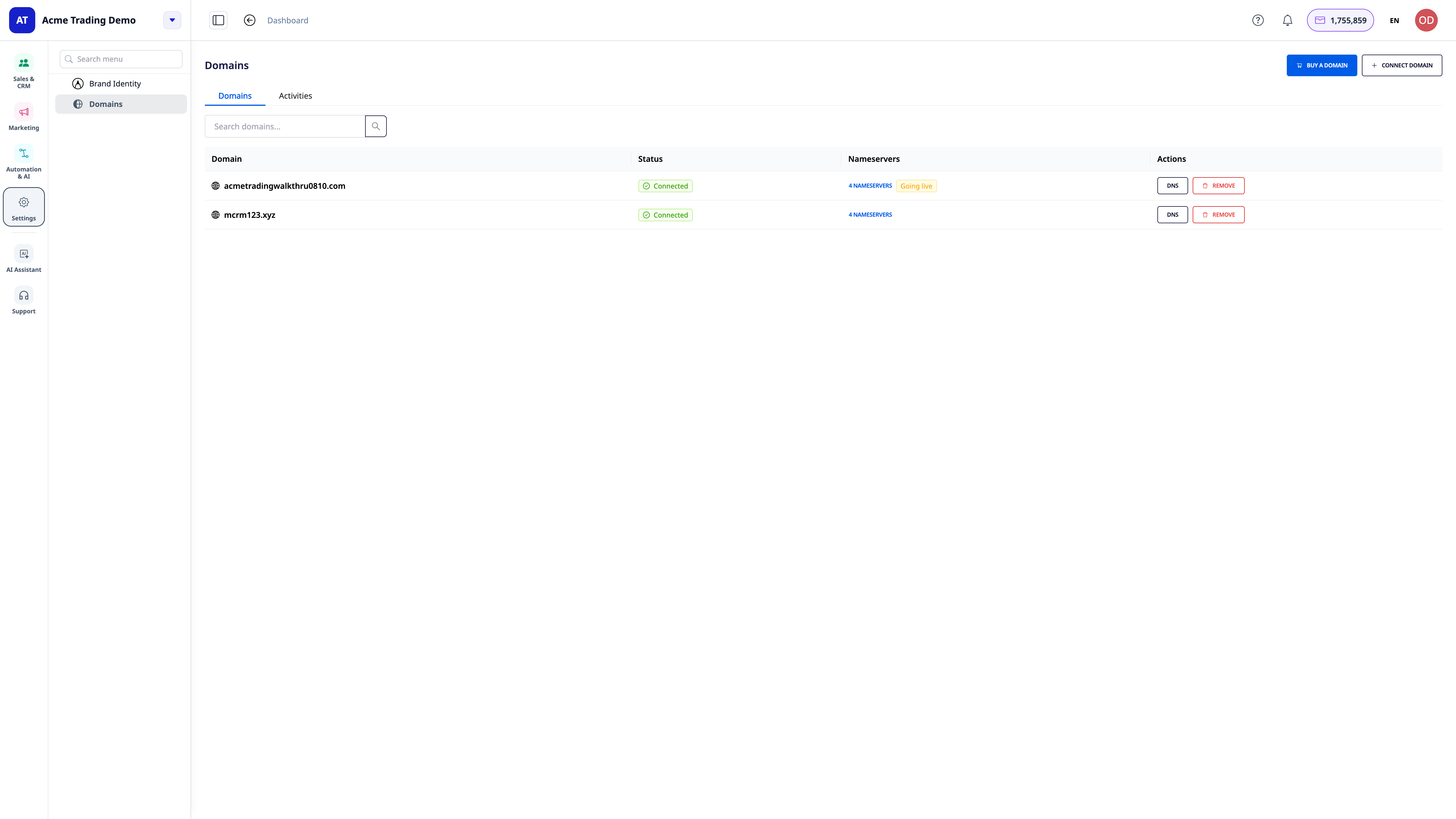
I stedet for tre separate steder, bringer GTG CRM avstemmingen rett inn i regnskapssystemet du allerede bruker:
- Klassifiser hver transaksjon på bankutskriften til riktig regnskapskonto – og knytt inntekten til riktig faktura.
- Gjenbrukbare matchende regler – sett én gang, og lignende transaksjoner matches automatisk senere; neste måned blir enklere enn forrige.
- AI-foreslått forklaring for vanskelige linjer, du trenger bare å godkjenne – mindre gjetting, men fortsatt kontroll.
- Automatisk bokføring av balanseringsposter for klassifiseringsoperasjoner / overføringer / kontant-bank / COD – avstemming og bokføring er én og samme ting.
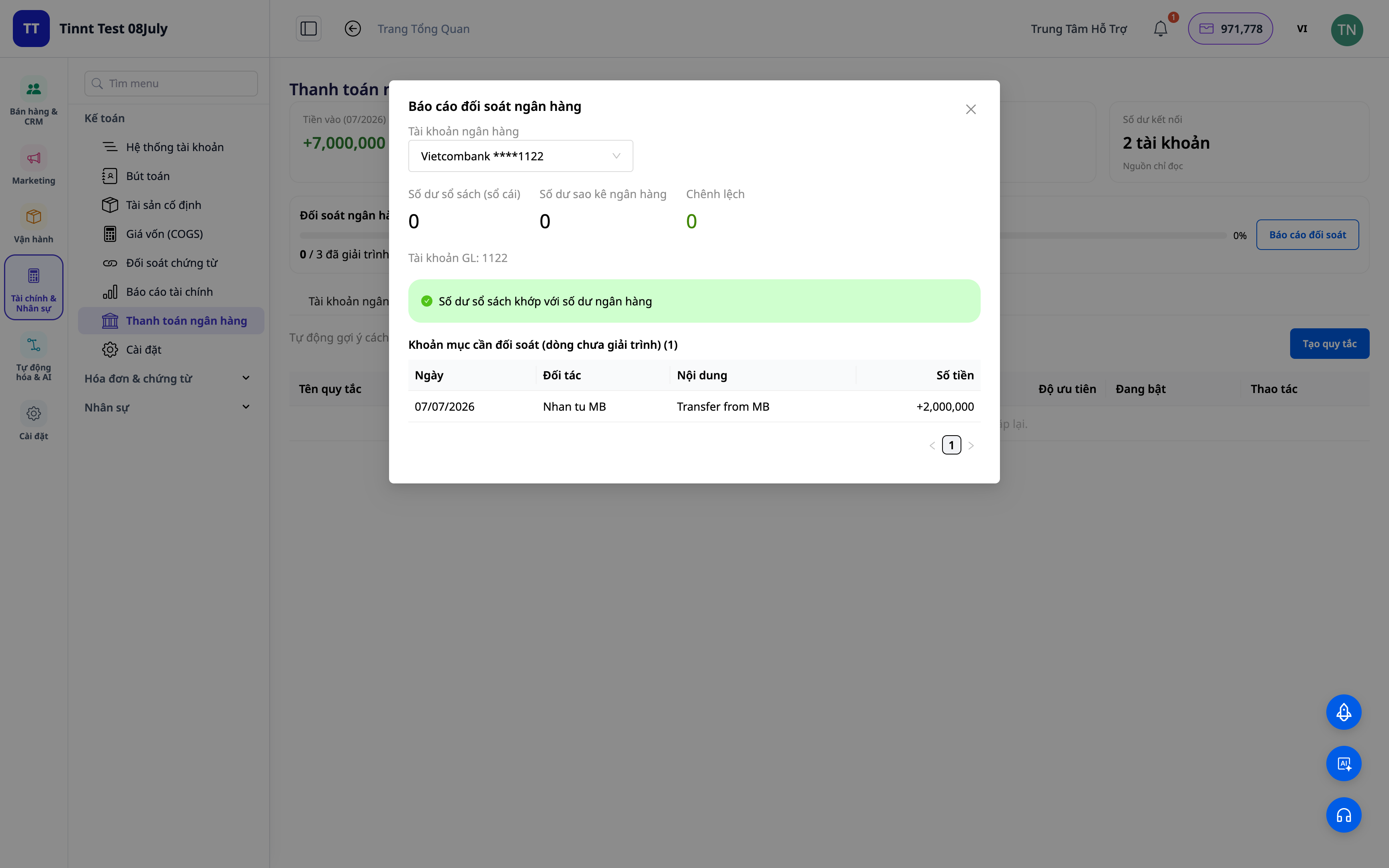
- Avstemmingsrapport + oversikt som lar deg se på én skjerm hvor langt regnskapet er avstemt med banken, og eksportere dokumenter for forklaring.
Resultatene du får
- Avslutning av regnskapet på få minutter i stedet for en hel ettermiddag med manuell gjennomgang.
- Fullstendig samsvar mellom bank, fakturaer og regnskap – konsistente tall.
- Klare dokumenter for forklaring ved skatterevisjon: hver pengepost kan spores tilbake til kilden.
- Ryddig COD-avstemming: vite nøyaktig om du har mottatt nok penger for varer fra plattformen/transportøren.
Dette er en del av regnskapspakken i CRM (bokføring i henhold til gjeldende standarder), som gjør at bedrifter blir mindre avhengige av frittstående regnskapsprogramvare. Se mer om Dobbel bokføring i CRM og funksjonen Bankavstemming.
Hvem er dette for?
- Små og mellomstore bedriftseiere som ønsker å sove godt før hver oppgjørsperiode.
- Regnskapsførere som trenger å lukke bøkene raskt med tall som stemmer overens med banken.
- Selvstendig næringsdrivende som går over til skatteinnkreving, og trenger en god bokføringsstruktur fra starten av.
Gratis prøveperiode – ingen kredittkort kreves.