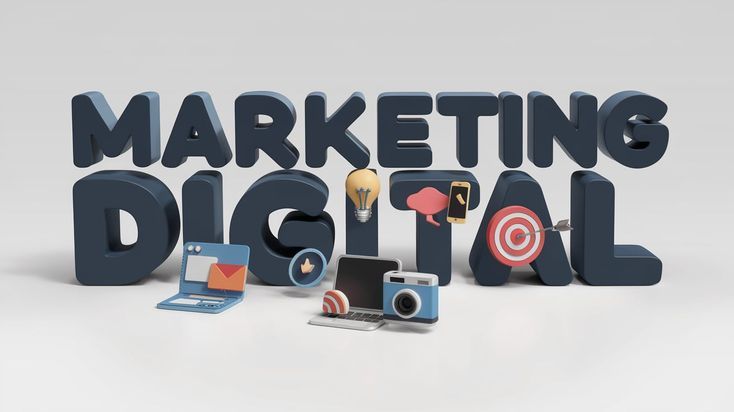
Kaj je digitalni marketing? Zakaj potrebujemo načrt?
Digitalni marketing je marketinška dejavnost, ki uporablja digitalne platforme, kot so spletne strani, družbena omrežja, iskalniki, elektronska pošta itd., za doseganje ciljnih strank. Za mala podjetja lahko strukturirana izvedba marketinga pomaga prihraniti stroške, povečati prepoznavnost blagovne znamke in povečati prodajo.
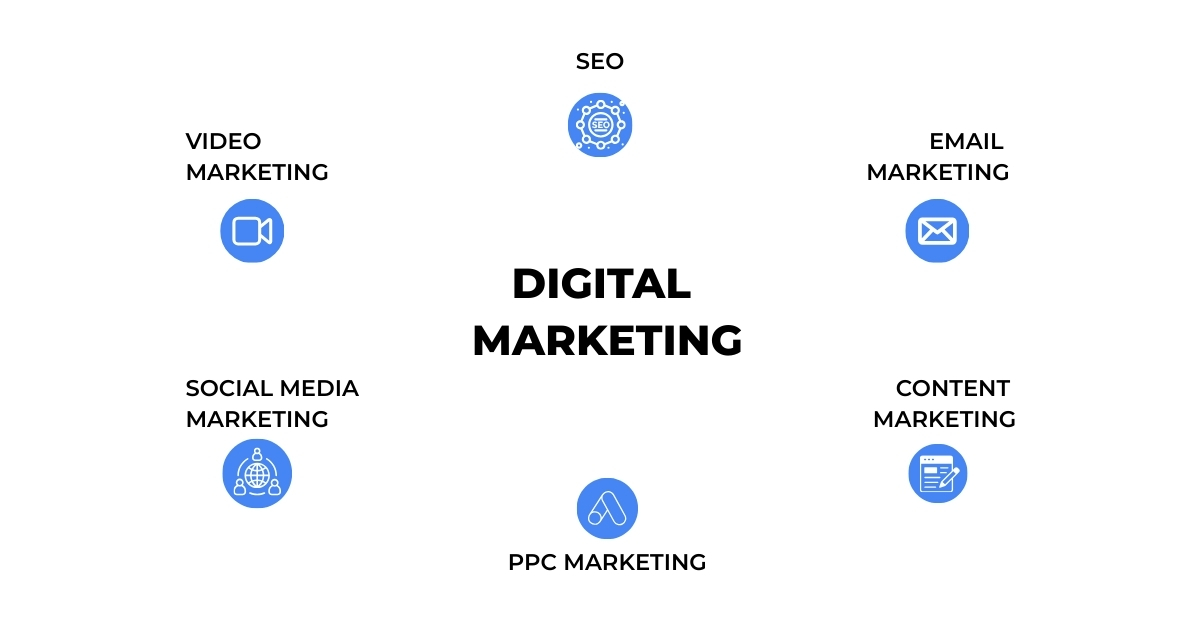
Kaj je digitalni marketing? Zakaj potrebujemo načrt?
Vendar pa se mnogi podjetniki motijo, ker digitalni marketing izvajajo čustveno: vidijo, da drugi izvajajo Facebook Ads, in ga takoj izvajajo tudi sami, vidijo, da konkurenca uporablja TikTok, in tudi oni ga začnejo uporabljati. To vodi v zapravljanje proračuna brez doseganja rezultatov. Zato je podroben načrt smernica za jasno opredelitev ciljev, izbiro ustreznih pristopnih kanalov, optimizacijo proračuna in jasno merjenje rezultatov.
Podroben vodnik za načrtovanje digitalnega marketinga
1. korak: Analiza trga in konkurence
Preden začnete s katero koli dejavnostjo, določite področje izdelkov ali storitev, ki jih ponujate, ocenite trende rasti in potrošniško vedenje ciljnega trga s pomočjo orodij, kot je Google Trends, ali z iskanjem ključnih besed v Google Keyword Planner.
Hkrati analizirajte konkurente v vaši panogi:
- Na katerih platformah promovirajo svoje izdelke?
- Kaj je izstopajoče v njihovi vsebini?
- Kako stranke sodelujejo?
Razumevanje dela konkurence ni namenjeno kopiranju, temveč iskanju lastnih razlik in konkurenčnih prednosti.
2. korak: Določitev ciljev digitalnega marketinga
Vsaka kampanja mora biti povezana s posebnim ciljem, da se izognemo zapravljanju denarja in truda, na primer povečanje naročil, pridobivanje potencialnih strank ali izgradnja blagovne znamke.
Uporaba modela SMART vam bo pomagala konkretizirati cilje:
- Zagotovite, da so cilji merljivi, realistični in jasno časovno opredeljeni.
- Na primer, namesto cilja "povečati prihodek", postavite cilj "povečati 300 naročil s spletne strani v naslednjih 3 mesecih".
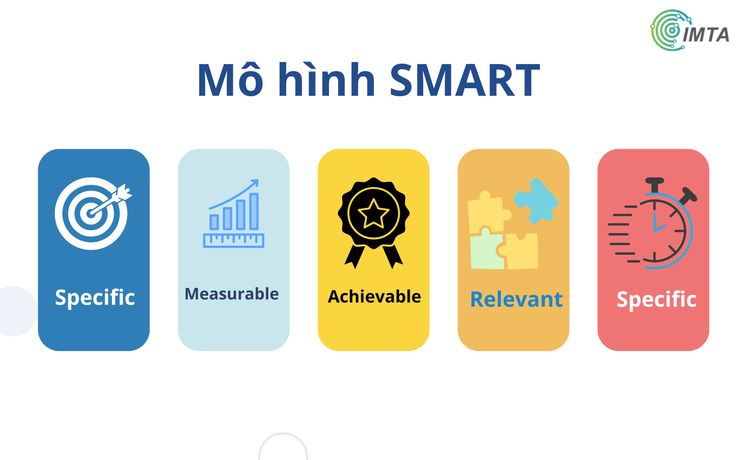
Model SMART
3. korak: Potrditev profila ciljne stranke (Customer Persona)
Za učinkovit marketing morate dobro poznati svoje idealne stranke.
Narišite njihov profil podrobno: starost, spol, poklic, raven dohodka, navade uporabe družbenih omrežij, interese in tudi njihove boleče točke (Pain point).
Na primer, če prodajate izdelke za mlade matere, natančno določite, kdaj so te mame običajno na spletu, kaj jih zanima, kakšne vsebine jih ustavijo in jih pritegnejo k branju. Razumevanje strank vam bo pomagalo izbrati prave kanale, prava sporočila in povečati verjetnost konverzije.
4. korak: Izbira ustreznih kanalov in strategij
Ne potrebuje vsako podjetje biti prisotno na vseh platformah. Izberite 2-3 kanale, ki so najbolj primerni za ciljne stranke, določene v prejšnjem koraku. Če vaše stranke veliko uporabljajo Facebook, se osredotočite na vsebino za Facebook. Če pogosto iščejo informacije na Googlu, investirajte v SEO in oglaševanje za iskanje (Search Ad).
Strategija, ki jo spremljate, je prav tako pomembna. Če je nov izdelek, morate hitro ustvariti prepoznavnost, lahko izberete strategijo obsežnega oglaševanja na Facebooku. Če je cilj skleniti prodajo, uporabite ciljno stran s pripomočki za ponovno trženje ali e-pošto za nego po tem, ko stranke pustijo svoje podatke.
Oglejte si predloge ciljnih strani GTG CRM: https://gtgcrm.com/gallery
5. korak: Ustvarjanje vsebine za vsak kanal
Vsebina je povezava med blagovno znamko in strankami. Vsaka platforma ima svoje značilnosti, zato morate vsebino prilagoditi.
- Za Facebook naj bo vsebina kratka, s privlačnimi slikami in izjemnim naslovom.
- Za LinkedIn ustvarjajte strokovno vsebino, ki ponuja veliko znanja.
- Za Google optimizirajte vsebino glede na ključne besede, da se uvrstite visoko v iskanju.
Pomembneje je, da mora vsa vsebina reševati bolečine, dvome ali potrebe strank. Ne govorite samo o izdelku, ampak o tem, kako izdelek olajša njihovo življenje.
Lahko preizkusite funkcijo "Ustvari vsebino z umetno inteligenco" podjetja GTG CRM, ki vam bo pomagala ustvariti večplatformno vsebino brez velikega truda.
6. korak: Predvidevanje proračuna in alokacija virov
Dober načrt potrebuje jasen proračun. Ne glede na to, ali imate 5 milijonov ali 50 milijonov na mesec, navedite stroške in jih ustrezno razporedite.
- Če večina strank prihaja iz oglaševanja, bi moral proračun dati prednost oglaševanju.
- Če želite graditi blagovno znamko dolgoročno, vlagajte v vsebino.
Hkrati je treba upoštevati stroške orodij, kot so programska oprema za trženje po e-pošti, ciljne strani, CRM itd., pa tudi stroške delovne sile, če najemate zunanje izvajalce. Priprava predvidene tabele vam bo pomagala, da ne boste presegli proračuna, hkrati pa zagotovili, da se vse dejavnosti izvajajo v celoti.
7. korak: Merjenje in optimizacija kampanj
Velika prednost digitalnega trženja je merjenje učinkovitosti. Če pa ne spremljate, ne boste vedeli, katero oglaševanje je učinkovito, katera vsebina je dobra in kaj je treba izboljšati. Spremljajte osnovne kazalnike, kot so:
- Stopnja klikov (CTR)
- Stopnja konverzije (CR)
- Cena na naročilo (CPA)
Na podlagi teh podatkov boste vedeli, katero oglaševanje ugasniti, povečati proračun za kateri kanal ali kako prilagoditi vsebino.
Zaključek
Dobro zasnovan načrt digitalnega trženja ni nujno zapleten, mora pa biti jasen in merljiv. Ko veste, kaj počnete, za koga, z kakšnim ciljem, bodo rezultati bolj očitni, proračun ne bo zapravljen in lahko boste rasli na trajnosten način.
Če ste lastnik malega podjetja in želite digitalno trženje začeti na poenostavljen način, si oglejte podporna orodja, kot je GTG CRM - platforma, ki združuje orodja za ustvarjanje ciljnih strani, trženje po e-pošti, merjenje učinkovitosti kampanj, upravljanje strank in še veliko več na enem mestu.
Spretno pretvorite prebrane informacije v rezultate – začnite z brezplačnim GTG CRM že danes.
Začnite zdaj