How did they turn those visits into actual subscribers or bookings? The answer lies in the Landing Page – a streamlined, personalized, and action-oriented landing page.
Who is Airbnb and what problems did they face?
Airbnb was founded in 2008 in San Francisco with the mission of connecting people with spare rooms to travelers needing short-term accommodation. After several years of development, Airbnb's website attracted millions of visits each month, but the conversion rate – the number of people signing up to become "Hosts" or book stays – was lower than expected.
Reasons:
- Generic landing page that didn't reflect the needs of each user group (hosts vs. guests).
- Interface displayed too much content, with unclear CTAs.
- On-page experience was scattered, not guiding users towards specific actions.
That's when Airbnb decided to redesign its entire landing page based on behavioral data and personalization models.
Solution: Optimize Landing Page with Data and User Experience
Airbnb implemented a dynamic landing page strategy based on location, behavior, and purpose of use. Every user who visited the platform was directed to a "unique" landing page tailored to them.
Specifically, they adopted three main improvement directions:
- Location and Audience-based Landing Pages
Instead of a single page, Airbnb created hundreds of landing pages for each city or region (e.g., "Vacation Rentals in Tokyo," "Airbnb in Manhattan"). The content, images, and calls to action (CTAs) were personalized based on the user's location or search keywords.
- Action-Oriented UX Design
Airbnb analyzed how users viewed and scrolled through the page to place key areas like the "Become a Host" or "Start your listing" CTAs in the most visible positions. The registration form was simplified to just a few steps to reduce abandonment rates.
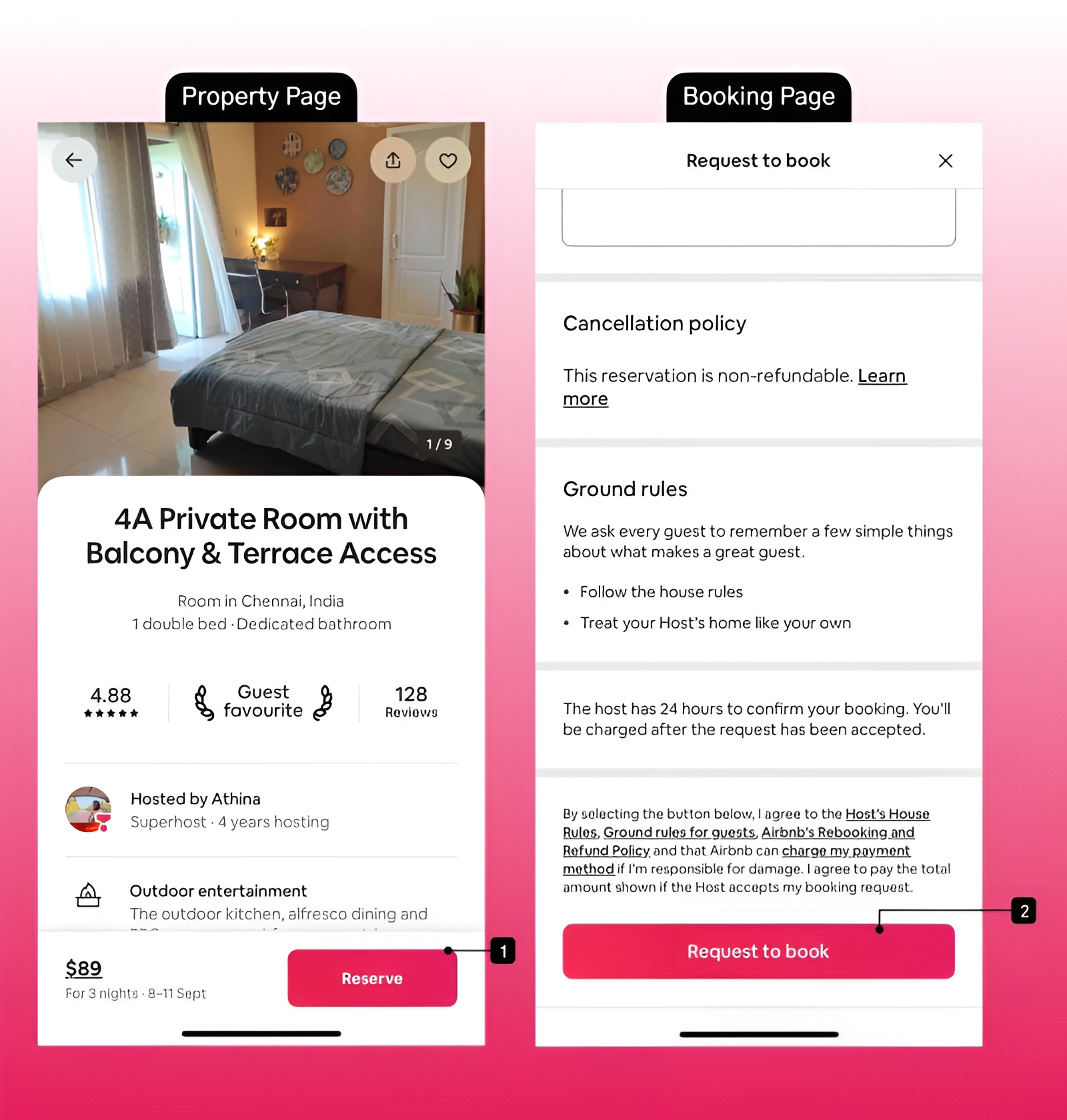
Optimized UX
- Continuous Optimization with Data and Testing
The marketing team used heatmap tools and A/B testing to track scrolling behavior, clicks, and reading pauses. Variations of headlines, images, and CTA buttons were continuously compared to select the versions with the highest conversion rates.
Results: Landing Page Becomes a "Golden Touchpoint" in the Growth Strategy
Thanks to the data-driven and user-behavior-based landing page strategy, Airbnb achieved impressive results:
- Host registration rate increased by over 30%.
- Average time on page increased by 25%.
- Bounce rate significantly decreased.
- Organic traffic increased sharply due to the SEO-optimized landing page system for each location.
Landing pages are no longer just "auxiliary pages" but have become a crucial part of Airbnb's global conversion strategy – where every user action is clearly and understandably guided.
Lessons for Vietnamese SMEs
From Airbnb's story, small businesses in Vietnam can draw 3 important lessons:
1. One Landing Page Cannot Fit All
Each customer segment has different needs; create separate landing pages for each product, industry, or advertising campaign.
2. Data Determines Effectiveness
Measure and test regularly. A small change in the headline, CTA, or layout can make a big difference in conversions.
3. Simpler is Better
Users don't want to fill out long forms or read too much content. Keep landing pages concise, with intuitive visuals and prominent CTAs – that's the formula Airbnb has proven successful.
GTG CRM – AI-Integrated Landing Page Solution for Vietnamese SMEs
While Airbnb had to invest hundreds of UX staff and data engineers to build a global landing page system, Vietnamese SMEs can now do the same with just a few simple steps thanks to GTG CRM.

GTG CRM's Landing Page Library
With GTG CRM – AI-Integrated Landing Page, you can:
- Create intuitive drag-and-drop landing pages without needing to code.
- Choose industry-appropriate templates, already optimized for layout and conversion rates.
- AI writes SEO-friendly content and automatically generates images suitable for your products.
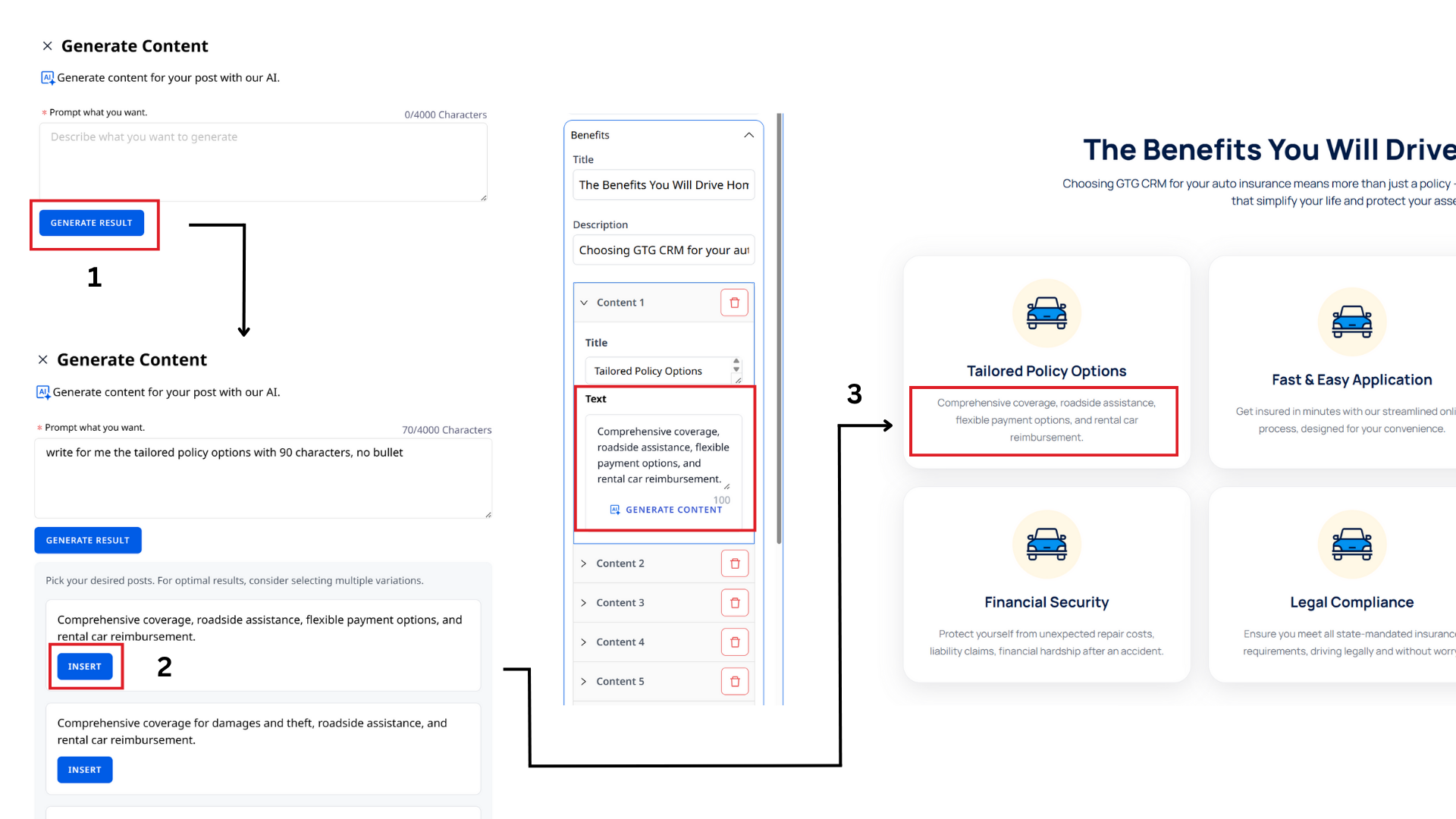
AI creates content with ease
- Integrate forms, live chat, and custom domains directly within the platform.

GTG CRM integrates live chat directly on your landing page
- Connect directly to the Campaigns module to run Google or Facebook ads directly from your landing page without needing other tools.
With GTG CRM, small businesses can have "Airbnb-standard" landing pages – faster, more affordable, and smarter.
Conclusion
Airbnb's story proves that landing pages are not just introductory pages but revenue drivers. By focusing on user experience and optimizing content based on behavior, they transformed their landing pages into powerful conversion tools.
And in Vietnam, GTG CRM helps SMEs achieve this without needing a technical team, an agency, or coding knowledge. With just a few drag-and-drop actions and AI assistance, you can create beautiful, SEO-friendly landing pages ready to close deals.
Your business can achieve similar results — start for free.
Start Your Journey