What is a sales process?
A sales process is a series of steps designed to guide a customer from awareness to purchase decision and loyalty. It includes activities like lead generation, outreach, persuasion, closing, and after-sales support. An effective process must be:
- Systematic: Easy for all employees to apply and repeat.
- Measurable: Helps track performance at each stage (e.g., conversion rates, closing time).
- Customer-centric: Addresses actual needs, not just "selling" products.
Example: An online fashion store might build a process starting with running ads on Instagram (lead generation), reaching out to customers through message consultations, delivering products, and sending a thank-you email after purchase.
Why is a standardized sales process necessary?
Without a process, the sales team can easily fall into situations like:
- Emotional Work: Each employee applies their own methods, leading to inconsistent results.
- Missed Leads: Not tracking leads, losing opportunities to close deals.
- Difficult Training: New employees don't know where to start.
- Unmeasurable: Unclear which stages are underperforming.
Conversely, a standardized process brings benefits:
- Increased Efficiency: Employees work consistently, reducing errors.
- Easy Scalability: Simple to train new staff and replicate the sales model.
- Improved Customer Experience: Customers receive consistent, professional service.
- Data-driven Optimization: Easy to analyze and improve each step.
7-Step Sales Process Diagram with GTG CRM
Step 1: Preparation and Goal Setting
Goal: Clearly understand the customer and market to build a suitable strategy.
How to implement:
- Market Research: Use tools like Google Trends, SEMrush, or customer surveys to identify trends and needs.
- Develop Buyer Personas: Identify age, income, behavior, and problems they face. Example: A cosmetics store might target women aged 25-35 interested in organic products.
- Choose Outreach Channels: Social media advertising, SEO, or workshops.
- Set KPIs: For example, collect 100 leads/month or achieve a 20% conversion rate.
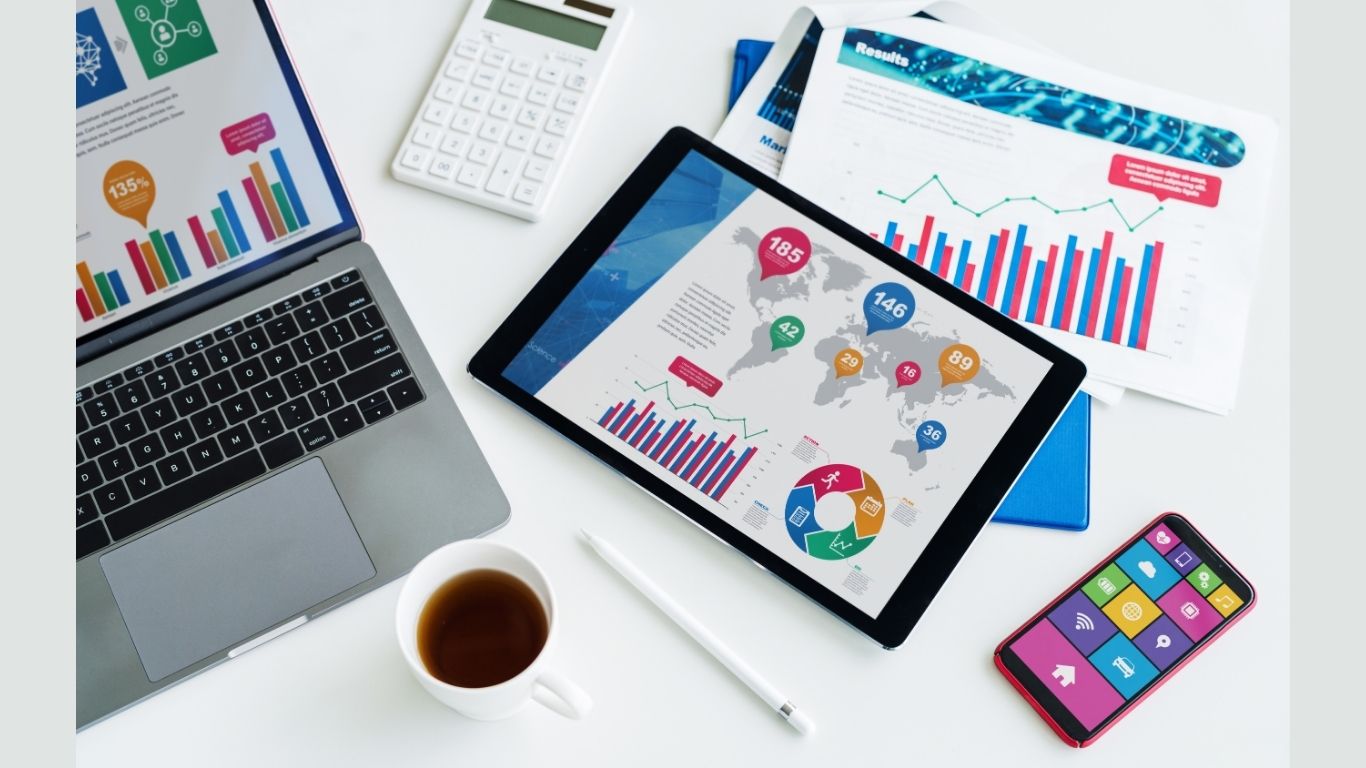
Businesses need to research the market and customers to build a sales process.
You can use CRM platforms to simplify this step. GTG CRM is one tool that can help aggregate customer data from various sources and manage it efficiently on a single platform. If not using a CRM, you can use Google Sheets to record information.
Step 2: Prospecting
Goal: Build a list of potential customers with a high likelihood of purchasing.
How to implement:
- Lead Collection: Use signup forms on Websites/Landing Pages, paid ads, or offline events.
- Lead Qualification: Categorize based on needs, purchasing power, and interest level.
- Use Lead Scoring: Score leads based on behavior (e.g., downloading an ebook = 10 points, calling for consultation = 50 points).

Identify who are the real customers with needs for your products.
GTG CRM automatically gathers leads from various sources such as Landing Pages, signup forms, and social media. Its flexible information fields help you understand your customers better, allowing you to segment them into suitable groups. This saves the sales team time and helps them prioritize high-value customers.
Furthermore, GTG CRM offers Landing Page templates integrated with forms and Live Chat, making lead collection easier than ever. See the demo now .
Step 3: Outreach and Relationship Building
Goal: Make a good impression and understand customer needs.
How to implement:
- Personalized Outreach: Send emails or messages based on lead information. Example: "Hello Nam, I noticed you're interested in the marketing course. What problem are you looking to solve?"
- Ask Open-ended Questions: Inquire about customer challenges rather than just introducing products.
- Continuous Follow-up: Record all interactions to avoid repeating information.
GTG CRM supports sending emails and messages directly within the system, and consolidates all messages from various channels into a single inbox. This allows for tagging, categorizing by status (e.g., Processing, Paid, Partner,...), and mass messaging. As a result, you save 10-15 hours per week without missing any conversations.
Step 4: Product/Service Presentation
Goal: Present solutions that match customer needs.
How to implement:
- Focus on Value: Emphasize benefits rather than listing features. Example: Instead of "Product has SPF 50," say "Protects skin from UV rays by 98%."
- Personalize Solutions: Provide specific examples. Example: "With a budget of 10 million, we recommend this website design package to increase traffic by 30%."
- Use Visual Content: Send demo videos, infographics, or Landing Pages.
GTG has ready-made Landing Page templates, helping brands present products professionally, consistently, and easily. Additionally, GTG CRM offers email templates to help you care for customers quickly and conveniently. Try it FREE now!
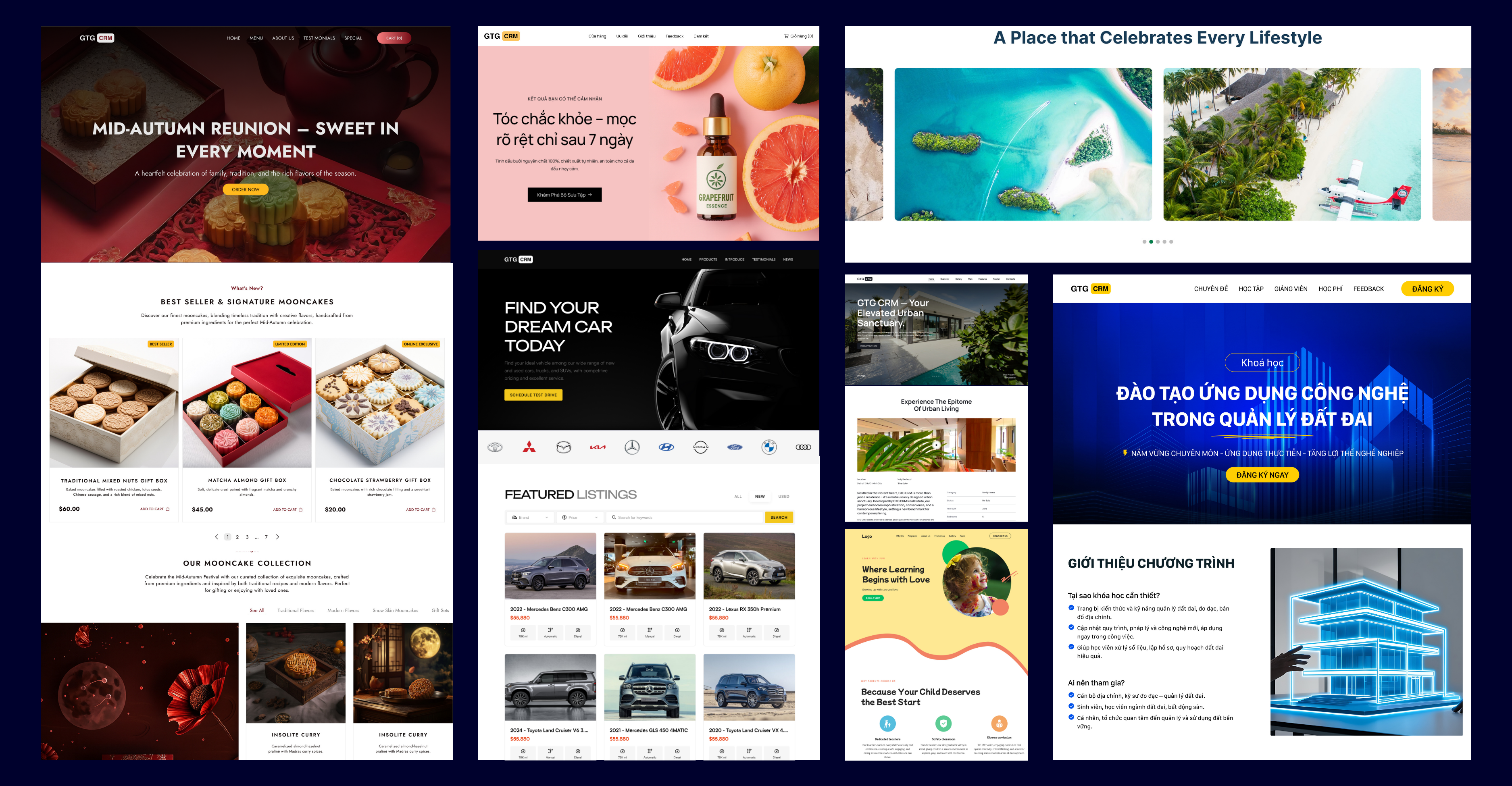
GTG CRM's library of Landing Page templates.
Step 5: Quoting and Persuasion
Goal: Persuade customers with suitable and clear proposals.
How to implement:
- Transparent Pricing: Send detailed price lists with offers (if any). Example: "Basic package 5 million/month, 10% discount if paying for 6 months."
- Address Concerns: Prepare answers to common questions (price, quality, after-sales service).
- Create Scarcity: Example: "This offer is only valid until the end of the month."
GTG CRM allows communication with customers on a single platform, recording all conversations, helping the team easily track, coordinate, and deliver persuasive messages accordingly.
Step 6: Answering Questions and Closing Deals
Goal: Remove barriers and encourage customers to make a decision.
How to implement:
- Prompt Responses: Answer inquiries within 24 hours.
- Summarize Benefits: Reiterate the key value of the product/service.
- Clear Call-to-Action: Example: "Would you like me to send the contract today?"
GTG CRM's Live Chat supports 24/7 customer responses. The Live Chat button can be fully customized to your brand. If you already have a website, simply copy & paste this script into your site to get a complete Live Chat.
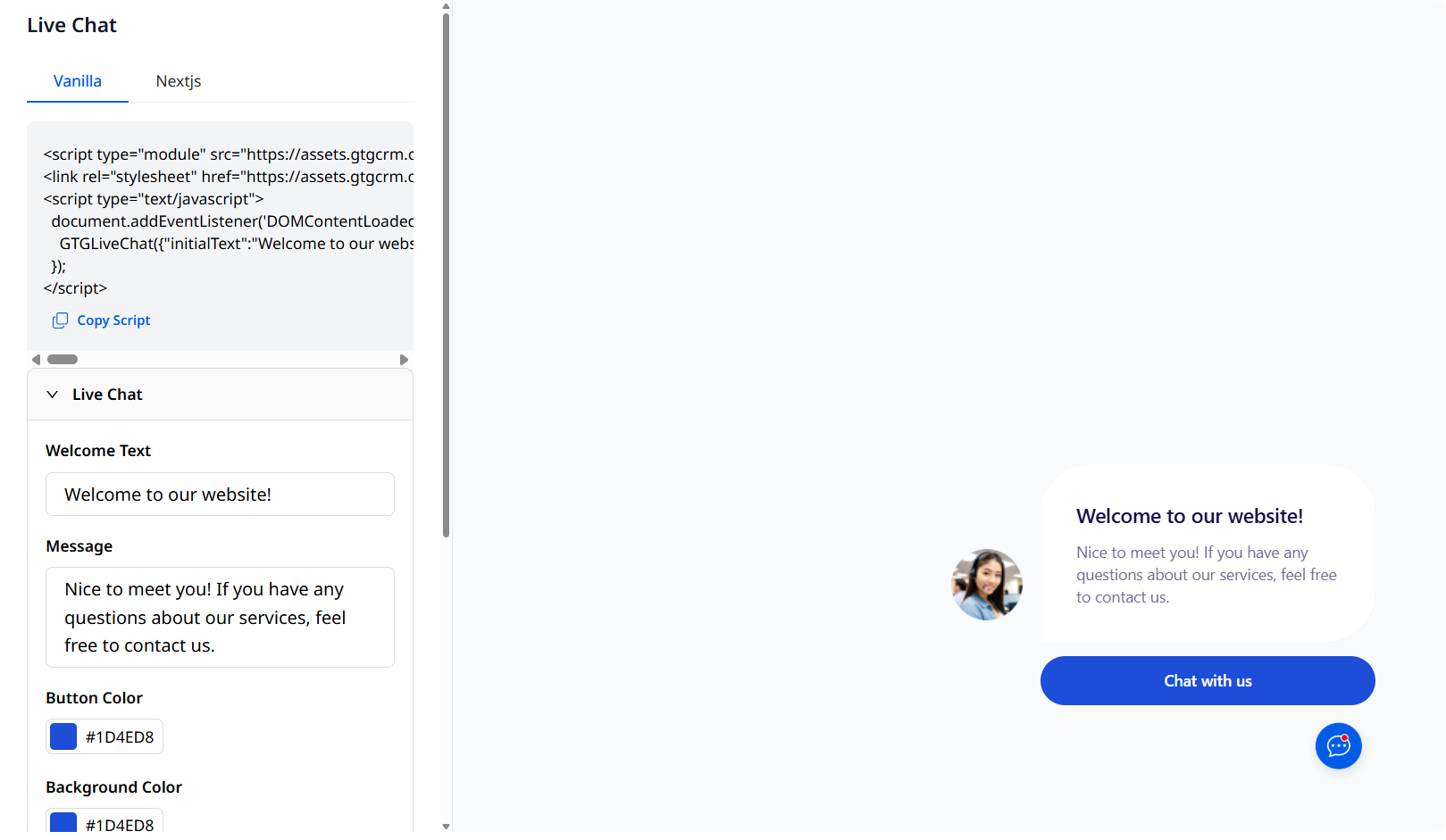
GTG CRM's Live Chat interface.
Step 7: After-Sales Care - Upsell & Retention
Goal: Build long-term relationships and increase customer lifetime value (LTV).
How to implement:
- Send Thank You Notes: Email or message a thank you after purchase.
- Inquire About Experience: Send a short survey (5 questions) to get feedback.
- Upsell/Cross-sell: Recommend complementary products. Example: When a customer buys cosmetics, you can suggest a face mask.
- Loyalty Programs: Offer vouchers or invite them to join a loyalty program.
At this stage, GTG CRM can fully assist you with its Automation Workflow feature, automatically sending emails, helping you maintain relationships, increase repeat purchases, and turn customers into natural brand advocates.
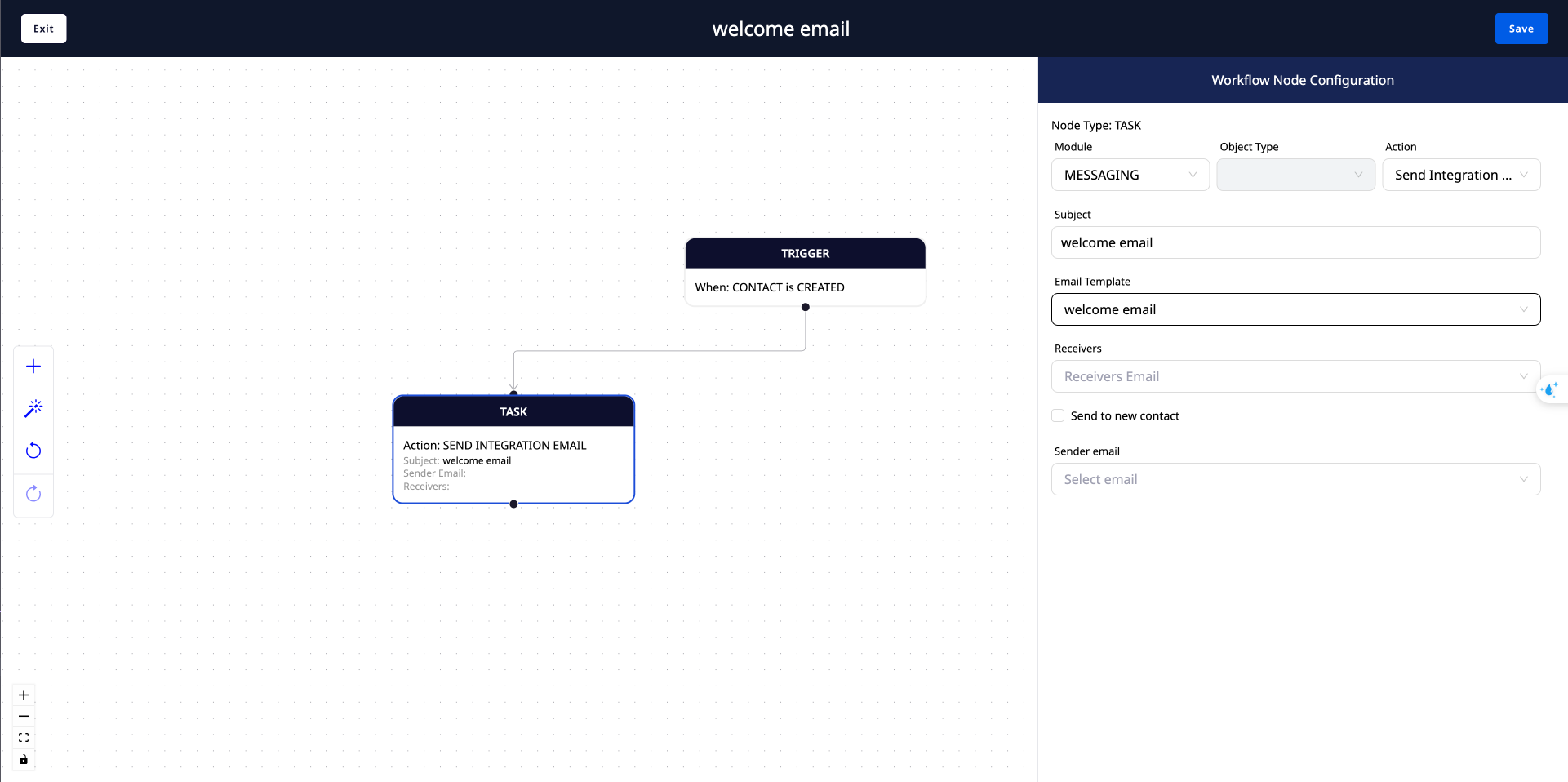
How to set up an effective automated customer care workflow with GTG CRM.
Conclusion
Building a systematic sales process not only increases conversion rates but also lays the foundation for sustainable growth. With the 7 steps above, you can get started even without a CRM tool. However, an intelligent CRM tool like GTG CRM will help automate and track effectiveness, saving you hours of work. Experience GTG CRM for FREE now at GTG CRM.
Turn what you've just read into real results — apply it now with GTG CRM, for free.
Apply Now