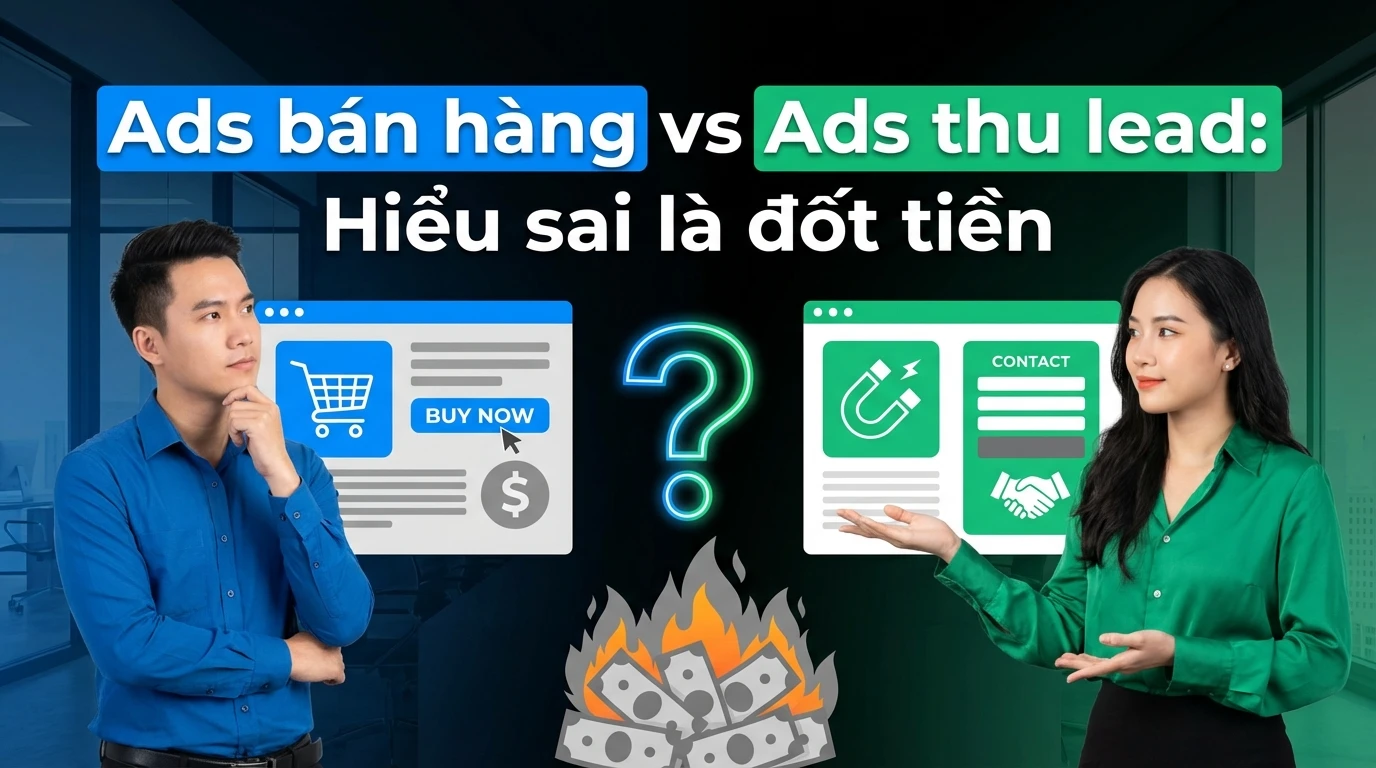
One of the most common mistakes new advertisers make is confusing sales ads with lead generation ads. Many people run lead generation ads but expect immediate sales. Conversely, some try to sell directly to audiences who have never heard of the brand.
To avoid this mistake, newcomers need to clearly understand the nature and role of each type of ad in the entire customer journey.
Sales Ads and Lead Generation Ads Differ in Objectives
Sales ads are designed to encourage customers to make a purchase immediately. Every element in the ad aims to generate orders in a short period.
Lead generation ads do not focus on immediate sales but aim to collect information from potential customers. The goal is to create a customer base for nurturing and future conversion.
Differences in Ad Content Strategy
Sales Ads
Require content that is clear, direct, and highly action-oriented:
- Specific product benefits
- Reasons to buy now (offers, scarcity, urgent solutions)
- Convenience in the purchasing process
Lead Generation Ads
Need content that is suggestive and value-creating:
- Useful knowledge
- Free consultation
- Free checklists, ebooks, or tools
- Solutions to a specific problem they are facing
Differences in the Customer Journey
Sales Ads - Bottom of the Funnel: Suitable for customers who know the brand, understand the product, and have a relatively clear purchase intent.
Lead Generation Ads - Top/Middle of the Funnel: Suitable for customers who are in the research and consideration phase and are not ready to buy immediately.
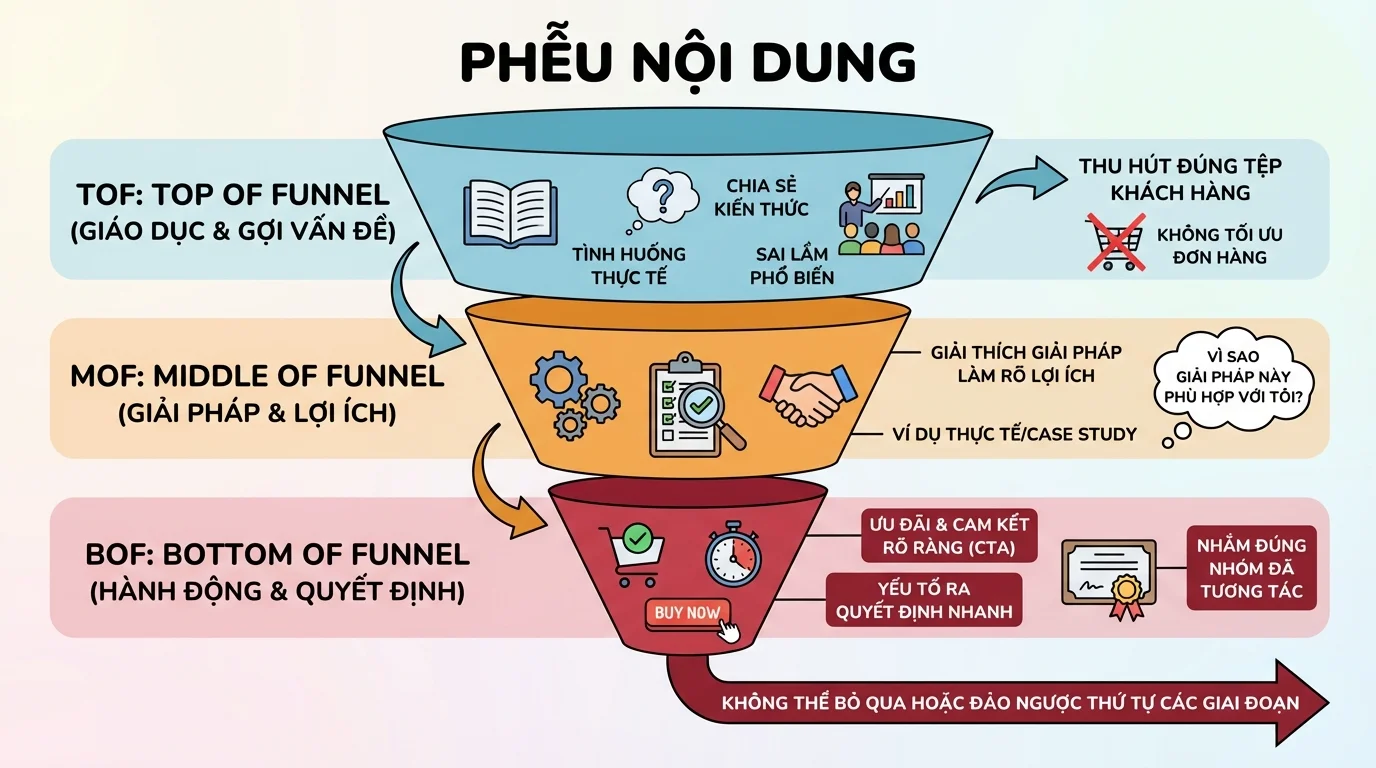
See also: 5 Steps to Create Effective Funnel-Ready Content
Risks When Newcomers Choose the Wrong Ad Type
Mistake 1: Running Sales Ads to Cold Audiences
Running sales ads from the start to cold audiences. Without sufficient trust and information, customers find it difficult to make a purchase decision. Result: No sales despite a significant budget.
Mistake 2: Running Lead Generation Ads Without a Backend System
Many leads are generated but not followed up on, not promptly consulted, and lack a nurturing plan. Result: Ultimately, no revenue is generated.
When to Run Lead Generation Ads, When to Run Sales Ads?
Run Lead Generation Ads when: You are just starting and have no customer base, the product requires consultation, you want to build a database, or the product has a high value that requires decision time.
Run Sales Ads when: You already have an audience that has interacted, the product is simple and decision-making is quick, the order processing system is ready, or there is a special promotion.
How GTG CRM Supports Sales Ads and Lead Generation Ads?
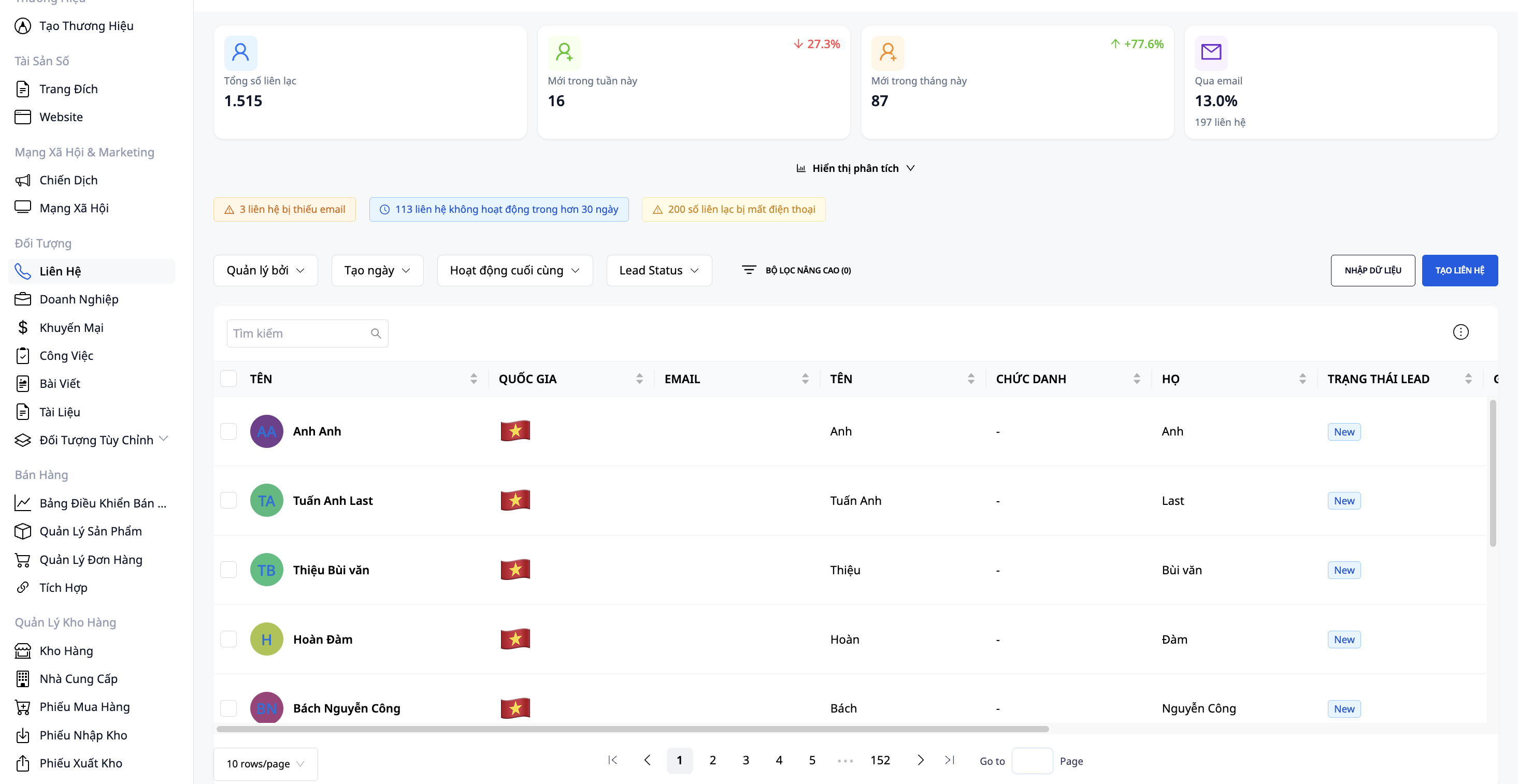
GTG CRM helps businesses centrally manage customer data obtained from advertising:
- Complete contact information and interaction history
- Clear segmentation: new leads, ready-to-buy customers, old customers needing reactivation
- End-to-end tracking from ads to orders
- Accurate ROI measurement for each campaign
Conclusion
Sales ads and lead generation ads are neither better nor worse, they are simply right or wrong at different times. Understanding this correctly from the start will help you save advertising budget and optimize conversion efficiency.
Turn what you've just read into real results — apply it now with GTG CRM, for free.
Apply Now