When declaring Corporate Income Tax (CIT), correctly identifying deductible and non-deductible expenses is crucial. This not only helps businesses legally optimize their taxes but also avoids risks of tax inspection and audits. Along with that, the electronic invoice system plays a key role in proving the reasonableness of these expenses.
This article will help you understand the types of deductible expenses allowed when calculating CIT, as well as how GTG CRM supports businesses in effectively managing invoices and documents.
Basic Principles for Deductible Expenses
According to current CIT Law, expenses deductible when determining taxable income must meet all the following conditions:
Conditions for Deductible Expenses
- Actual expenses incurred related to business production and operations
- Possession of complete and legal invoices and documents as stipulated
- Expenses not included in the list of non-deductible expenses according to law
- Correctly and fully accounted for in the cost of goods and services
- Fully declared in accounting and tax records
Common Deductible Expenses
1. Raw Materials and Goods Expenses
- Cost of direct raw materials for production
- Cost of goods for sale
- Cost of supplies and tools
Note: Must have complete input VAT invoices and payment documents
2. Labor Costs
- Wages, salaries, and allowances
- Social insurance, health insurance, unemployment insurance (employer's contribution)
- Occupational accident and disease insurance
- Trade union fees (according to prescribed rates)
3. Fixed Asset Depreciation Expenses
- Tangible fixed assets (factories, machinery, equipment...)
- Intangible fixed assets (software, copyrights...)
- Must be depreciated according to regulations
4. Outsourced Service Expenses
- Office and factory rental costs
- Consulting, auditing, and legal fees
- Transportation and delivery costs
- Advertising and marketing expenses (within allowed limits)
5. Selling Expenses
- Transportation and storage costs
- Packaging costs
- Commissions and trade discounts
- Sales promotion and advertising expenses (according to prescribed rates)
6. General and Administrative Expenses
- Stationery, electricity, water, telephone
- Asset repair and maintenance costs
- Asset insurance costs
- Employee training costs
7. Interest Expenses
- Interest on capital loans for production and business operations
- Limit: Interest expenses must not exceed 150% of market interest rates (for unsecured loans or loans from related parties)
Non-Deductible Expenses
1. Expenses Without Valid Invoices and Documents
- Invoices with incorrect company name or tax code
- Invoices without signatures or seals
- Invoices from inactive or non-tax-paying companies
2. Administrative Violation Fines
- Traffic violation fines
- Tax violation fines, late payment penalties
- Environmental, construction, and other violation fines
3. Expenses Unrelated to Business Production and Operations
- Personal expenses of the business owner
- Expenses for charitable activities (unless deductible according to regulations)
- Personal asset purchase expenses
4. Gift and Entertainment Expenses Exceeding Limits
- Entertainment expenses exceeding the allowed limit (VND 10 million/occasion)
- Gift expenses without specific lists
5. Invalid Provision Expenses
- Provisions for inventory obsolescence (except for certain specific industries)
- Provisions for doubtful debts (except for credit institutions)
6. Other Expenses
- CIT, PIT (amounts paid on behalf of employees)
- Interest on loans not supported by equity (exceeding ratio)
- Expenses from illegal transactions
Guidelines for Determining Deductible Expenses in Tax Declarations
Step 1: Classify Expenses by Nature
Divide expenses into groups:
- Direct production costs
- Selling expenses
- General and administrative expenses
- Other expenses
Step 2: Check Document Validity
Checklist:
- ✅ Valid VAT invoices
- ✅ Payment documents (bank transfer, check...)
- ✅ Economic contracts (for large transactions)
- ✅ Acceptance and liquidation minutes (if necessary)
- ✅ Information on documents matches the company
Step 3: Compare with Allowed Expense Limits
Some expenses have maximum deductible limits:
- Advertising Expenses: Not exceeding 15% of total deductible expenses
- Sales Promotion Expenses: Not exceeding 15% of total deductible expenses
- Entertainment Expenses: Must have lists, not exceeding reasonable limits
- Interest Expenses: Not exceeding 150% of market interest rates (for unsecured loans)
Step 4: Record and Store Documents
- Sort documents by date of occurrence
- Number sequentially, create detailed ledgers
- Store completely according to regulations (minimum 10 years)
- Be ready for audits and inspections
Step 5: Declare and Settle Taxes
- Fill in all expenses on the CIT declaration form
- Reconcile with accounting records
- Prepare complete financial statements
- Submit tax settlement documents on time
💡 Benefits of Managing Deductible Expenses
- ✅ Legal Tax Optimization: Transparently minimize tax payable
- ✅ Avoid Legal Risks: No penalties during tax audits
- ✅ Effective Financial Management: Understand cost structure, optimize profits
- ✅ Enhance Business Reputation: Ensure compliance with legal regulations
- ✅ Facilitate Loans and Partnerships: Transparent and complete documentation
Important Notes When Declaring Expenses
Caution with Electronic Invoices
- Check invoice status on the tax portal before accounting
- Only accept invoices from active businesses
- Regularly reconcile with suppliers
Non-Cash Payments
- Prioritize bank transfers for large transactions (over VND 20 million)
- Keep bank transfer documents along with invoices
- Clearly state the payment purpose on the transfer order
Economic Contracts
- Large transactions (from VND 50 million upwards) should have contracts
- Contracts must be signed before expenses are incurred
- Contract contents must be consistent with invoices and payment documents
GTG CRM - Automatic E-Invoice Management Solution
To assist businesses in effectively managing invoices and documents, GTG CRM offers a built-in feature for automatic e-invoice generation:
Key Features:
- 🧾 Automatic Invoice Generation: Automatically create e-invoices upon order completion
- 📊 Centralized Management: Store all outgoing invoices in one system
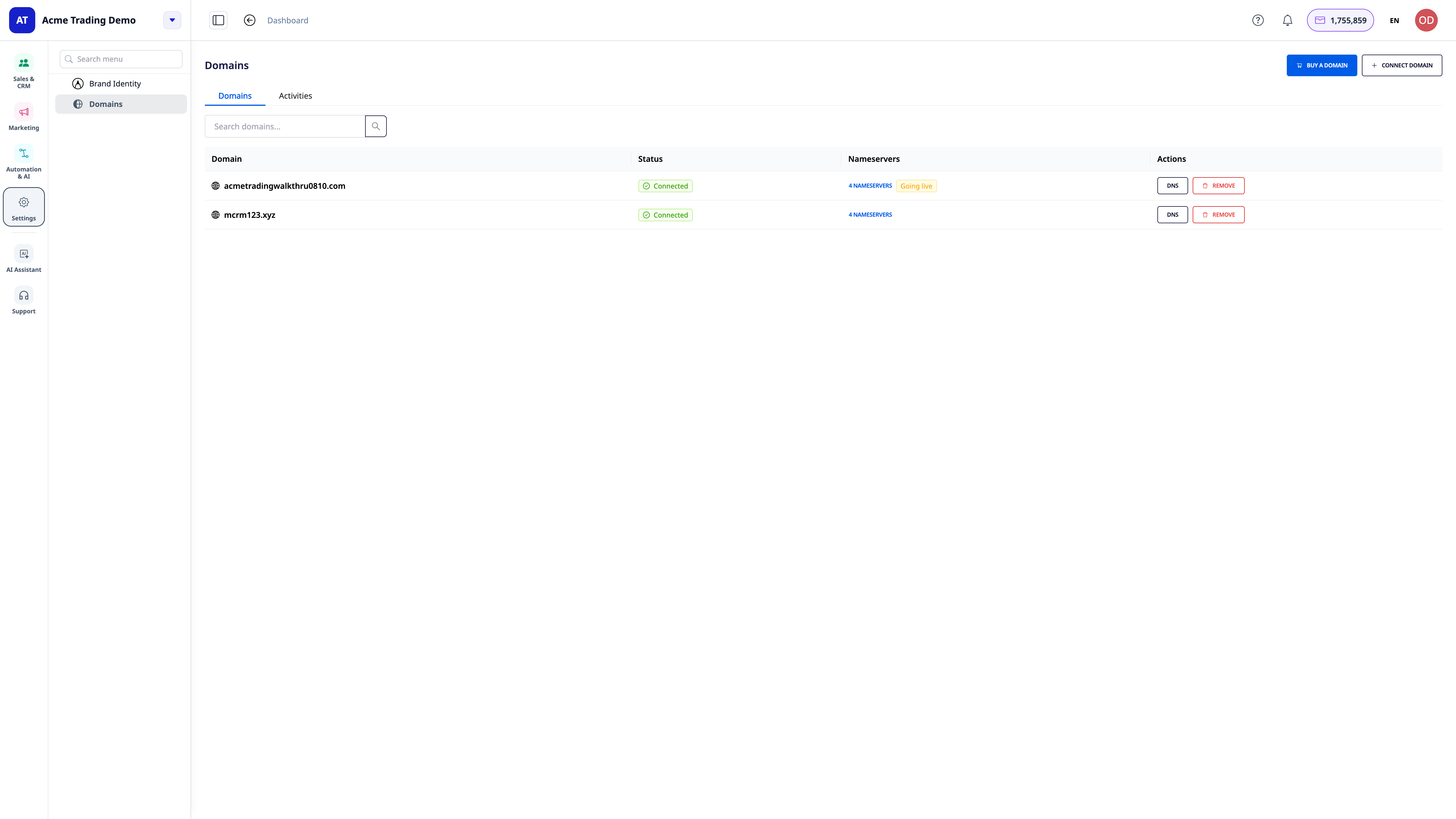
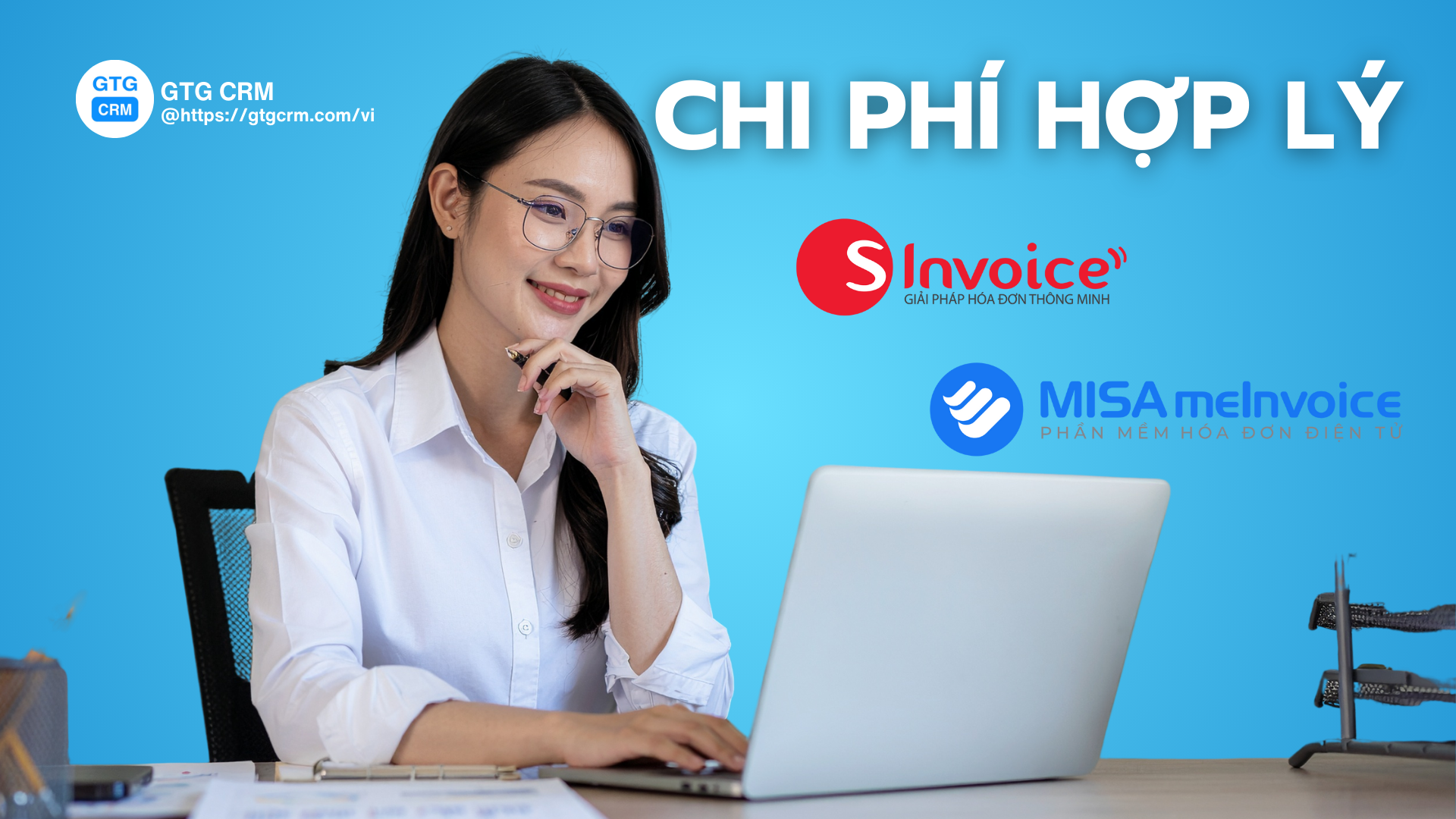
- 🔗 Integration with Invoice Providers: Connect with Sinvoice and MISA to generate legal e-invoices according to regulations
- 🔗 Connect with Accounting Software: Easily synchronize invoice data with accounting software
- 📱 Instant Invoice Sending: Automatically send invoices via email/SMS to customers
- 🔍 Quick Search: Search for invoices by various criteria
Connect with E-Invoice Providers
GTG CRM supports direct connection with:
Sinvoice
- Automatically push order data to Sinvoice upon sales completion
- Generate legal e-invoices according to General Department of Taxation regulations
- Automatically receive invoice codes and electronic signatures
- Synchronize invoice statuses (issued, canceled...)
MISA
- Integrate with MISA's e-invoice system
- Generate VAT invoices and direct sales invoices from GTG CRM
- Automatically update invoice statuses from MISA to the system
- Support easy invoice lookup and reconciliation
Benefits for Businesses:
- Save time on manual invoice processing
- Minimize errors during invoice generation
- Ensure compliance with e-invoice regulations
- Support accurate and transparent tax declarations
- Legally recognized invoices by the General Department of Taxation
- Fully automated process from sales to invoice generation
Important Note: GTG CRM is a customer relationship and sales management system, not a tax declaration tool. However, automatic and accurate invoice management through integration with reputable invoice providers like Sinvoice and MISA will provide businesses with reliable and legal input data for their accounting and tax declaration later on.
Conclusion
Understanding deductible and non-deductible expenses when declaring CIT is fundamental for businesses to legally optimize taxes and avoid risks. Combined with an automatic invoice management system like GTG CRM - integrated with reputable e-invoice providers (Sinvoice, MISA), businesses will have accurate, transparent, and legal data for their accounting and tax operations.
Turn what you just read into real results — apply it now with GTG CRM, for free.
Apply Now