As of July 1, 2022, according to the provisions of Decree 123/2020/ND-CP and Circular 78/2021/TT-BTC, business households and individuals applying the tax declaration method are obligated to transition to electronic invoices. This is not only a legal requirement but also a significant step in modernizing business operations.
To ensure compliance with regulations and avoid legal risks, business owners need to fully understand the rules related to creating, using, and managing electronic invoices. This article will clarify the key points to help you operate your invoicing business accurately and effectively.
Concept of Electronic Invoices
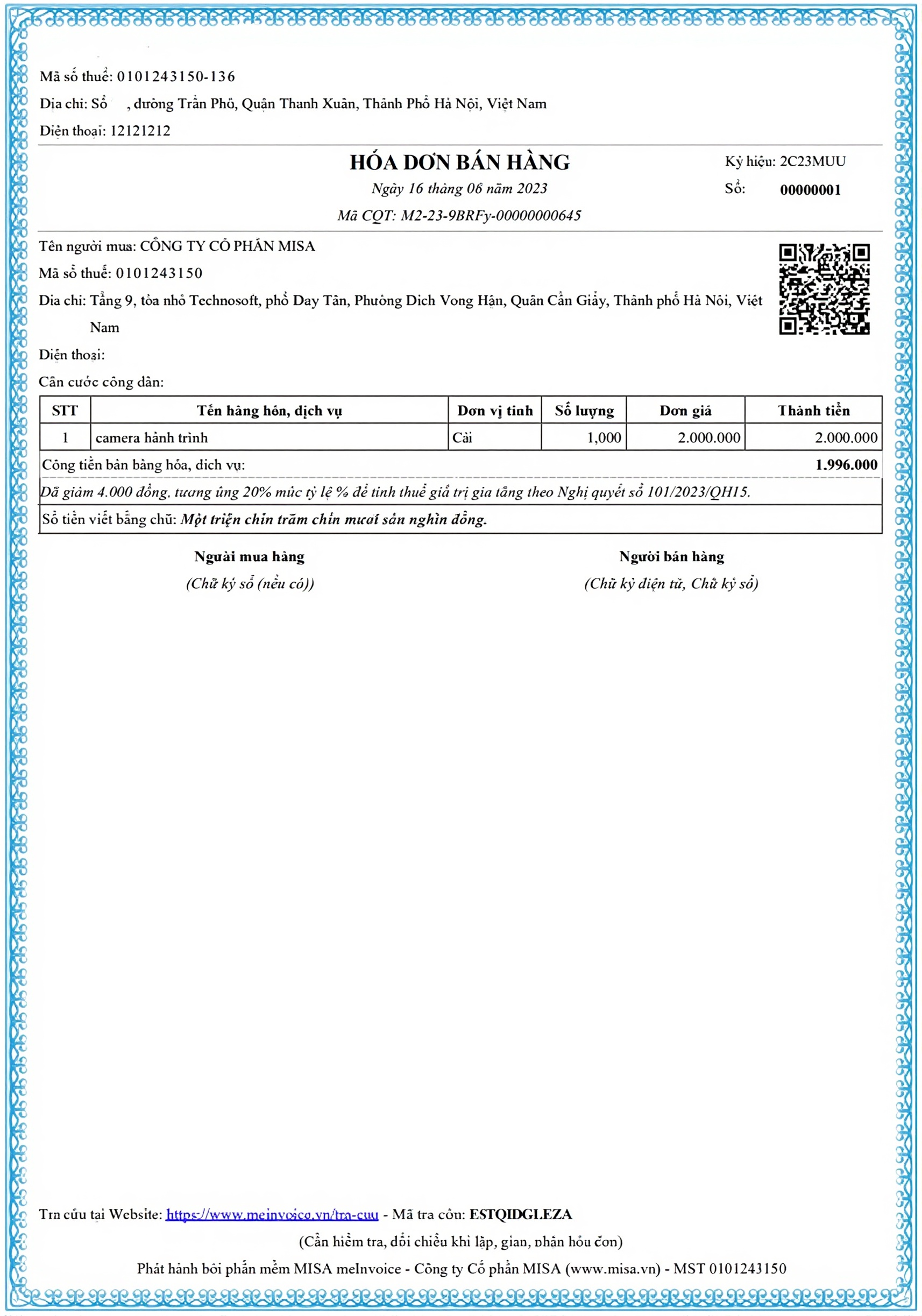
According to Article 3 of Decree 123/2020/ND-CP, an electronic invoice is a document in electronic data form created by the seller of goods or services through electronic means, to record commercial transaction information in accordance with accounting and tax laws. This invoice can be generated from a cash register directly connected to the tax authority's system.
Electronic invoices are divided into two main types. The first type is an invoice with a tax authority code, which is assigned a code before being sent to the buyer. This code includes a unique transaction number and an encrypted character string based on the seller's information. The second type is an invoice without a tax authority code, which is self-created by the organization and sent directly to the customer without prior validation from the tax authority.
Three Cases Requiring Electronic Invoice Usage
According to Circular 78/2021/TT-BTC, business households and individuals must use electronic invoices in three specific situations.
The first case applies to business households and individuals who pay taxes using the declaration method. This group is regularly obligated to use electronic invoices in their business operations.
The second case concerns business households who pay taxes using the lump-sum method. When they need to issue an invoice, the tax authority will provide them with a coded electronic invoice for each transaction.
The third case is for business households that declare taxes on a per-transaction basis. Similar to the second group, if they request to use an invoice, the tax authority will issue an individual electronic invoice for each specific transaction.
Points to Note When Using Electronic Invoices
Entities Eligible for Per-Transaction Electronic Invoices
Business households paying lump-sum taxes can receive support from the tax authority to issue coded invoices on a per-transaction basis when needed. Individuals who do not conduct business regularly and do not have a fixed business address, and who pay taxes on a per-transaction basis, also fall under this category.
In addition, some special cases are also eligible for per-transaction invoices. For example, business households that have ceased operations but have not yet completed their tax code termination procedures can still apply for invoices to liquidate assets. Business households that have temporarily suspended operations but need to complete previously signed contracts will receive similar support. Cases where the use of invoices is forcibly suspended are also on this list.
Free Electronic Invoice Services
According to Clause 1, Article 14 of Decree 123/2020/ND-CP, small and medium-sized enterprises, cooperatives, business households, and individuals doing business in areas with difficult or extremely difficult socio-economic conditions are exempt from electronic invoice service fees with codes for 12 months from the date of first use. The list of preferential areas is stipulated in Decree 118/2015/ND-CP.
Entities not eligible for free services will be required to pay service costs according to the contract signed with the electronic invoice service provider.
Situations Requiring Suspension of Electronic Invoice Usage
Clause 1, Article 16 of Decree 123/2020/ND-CP lists cases where the use of coded electronic invoices must be suspended.
When a business household's tax code becomes invalid or is verified by the tax authority as not operating at its registered address, the use of invoices will be suspended. Cases where a business household actively informs the competent authority of a temporary business suspension also lead to the suspension of electronic invoice usage.
Serious violations also have similar consequences. If a business household uses invoices to sell smuggled, banned, counterfeit goods, or goods infringing intellectual property rights, the authorities will detect this and notify the tax authority for handling. The act of creating fictitious invoices to embezzle funds is also a reason for suspending the use of electronic invoices.
Furthermore, when the tax authority announces the suspension of invoice usage for tax debt enforcement, or when the business registration agency requests a temporary suspension of business for conditional industries due to insufficient standards, business households must also suspend the use of electronic invoices.
Which Tax Authority Issues Per-Transaction Invoices?
Point c, Clause 2, Article 13 of Decree 123/2020/ND-CP clearly stipulates the location for submitting applications for invoice issuance.
For business households and individuals with a fixed business address, the application will be submitted at the Tax Department managing the area where the business activity is conducted. Conversely, business households and individuals without a fixed business address will submit their applications at the Tax Department of their place of residence or business registration.
Roadmap for Transitioning from Lump-Sum Tax to Declaration
From 2026, tax authorities will implement a roadmap to transition business households from the lump-sum tax payment method to the declaration method. This requires business households to fully carry out tasks such as keeping books, creating and sending electronic invoices, declaring, and paying taxes online according to regulations, instead of simply paying lump-sum taxes as before.
To support small and micro businesses in adapting to the new regulations without hiring accountants or performing complex manual tasks, many comprehensive digital transformation solutions have been developed. These solutions integrate sales management, tax declaration, tax payment, electronic invoice issuance, and accounting book management on a single platform.
Conclusion
The use of electronic invoices has become a mandatory obligation for business households and individuals who pay taxes using the declaration method. Understanding the regulations on electronic invoices, from their concept, applicable subjects, to cases of invoice issuance and situations requiring suspension of use, is essential for all business owners to operate their businesses transparently and in compliance with the law.
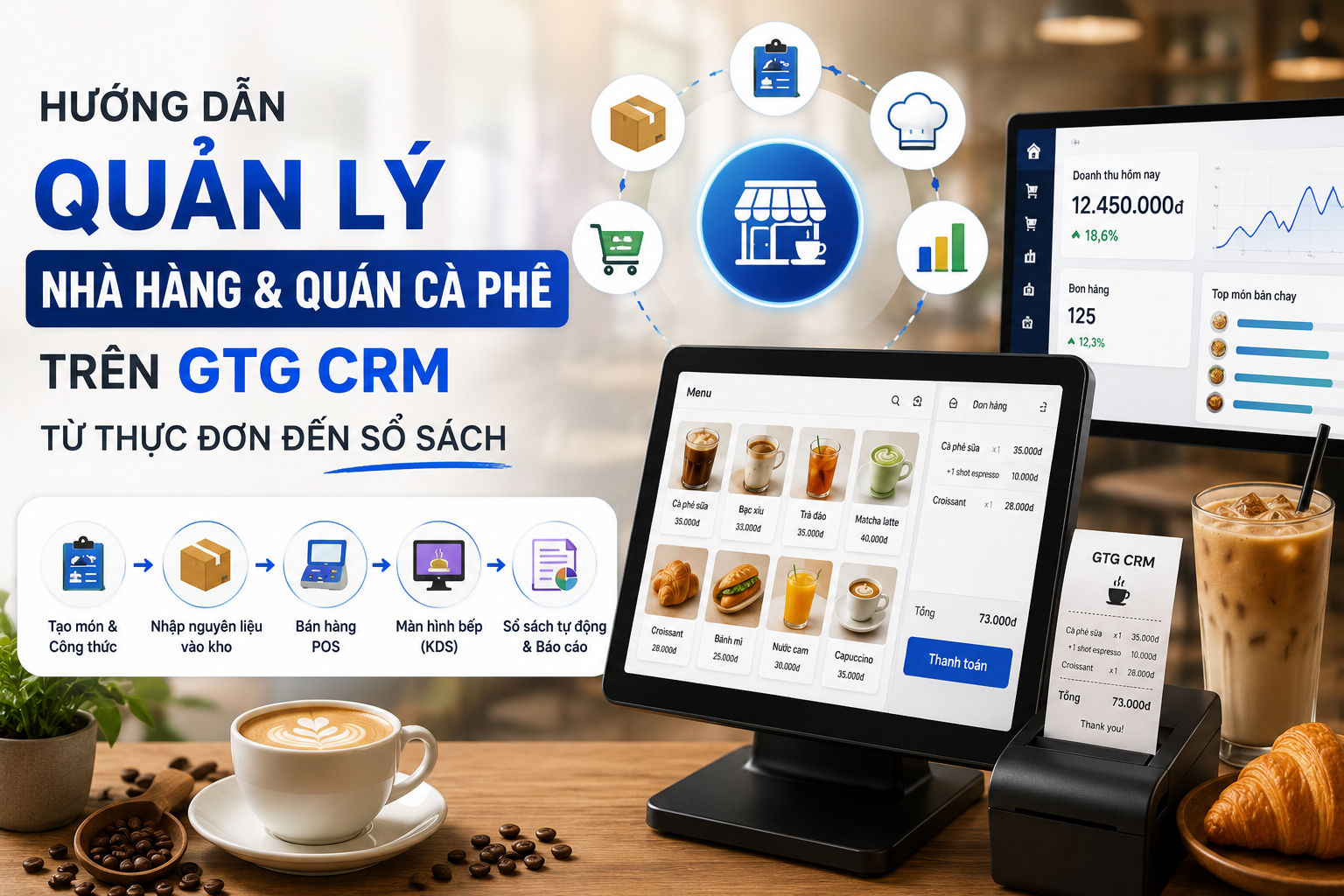
Especially in the context of transitioning from lump-sum tax to declaration, equipping yourself with suitable tools to manage accounting books, declare taxes, and issue electronic invoices has become more urgent than ever. GTG CRM offers integrated automatic electronic invoice issuance features, making it easy for business households to issue legal invoices, submit data to the tax authority in compliance with regulations, and also supports checking and detecting errors in input invoices. As a result, owners not only save time but also ensure accuracy in accounting work and fully comply with the requirements of the tax authority.
Turn what you just read into real results — apply it now with GTG CRM, for free.
Apply Now