Effective selling isn't just about having good products and potential customers. For today's retailers, online store owners, and small businesses, managing the entire process from procurement, inventory management, order creation to invoicing is a major challenge. Especially when you operate across multiple channels like Shopee, TikTok Shop, Lazada, Facebook, or your own website, inventory control and order processing become even more complex.
GTG CRM is designed to comprehensively address these issues. The system offers three main feature clusters: Sales, Inventory Management, and Accounting, helping you optimize your entire business process. From creating warehouses, managing products, generating professional sales images, automatically receiving orders from multiple channels, processing orders to issuing invoices, everything is consolidated on a single platform. This not only saves you time but also minimizes errors.
This article will guide you step-by-step on how to start selling on GTG CRM, from initial setup to efficient order management.
Step 1: Create Warehouse
Before you start selling, you need a place to store your products. A warehouse in GTG CRM is not just for inventory management but also the location where the shipper will pick up goods for delivery to customers. A shop can have multiple warehouses depending on your business scale.
To create a new warehouse, navigate to the Inventory Management menu on the left-hand menu bar, then click the Create New button.
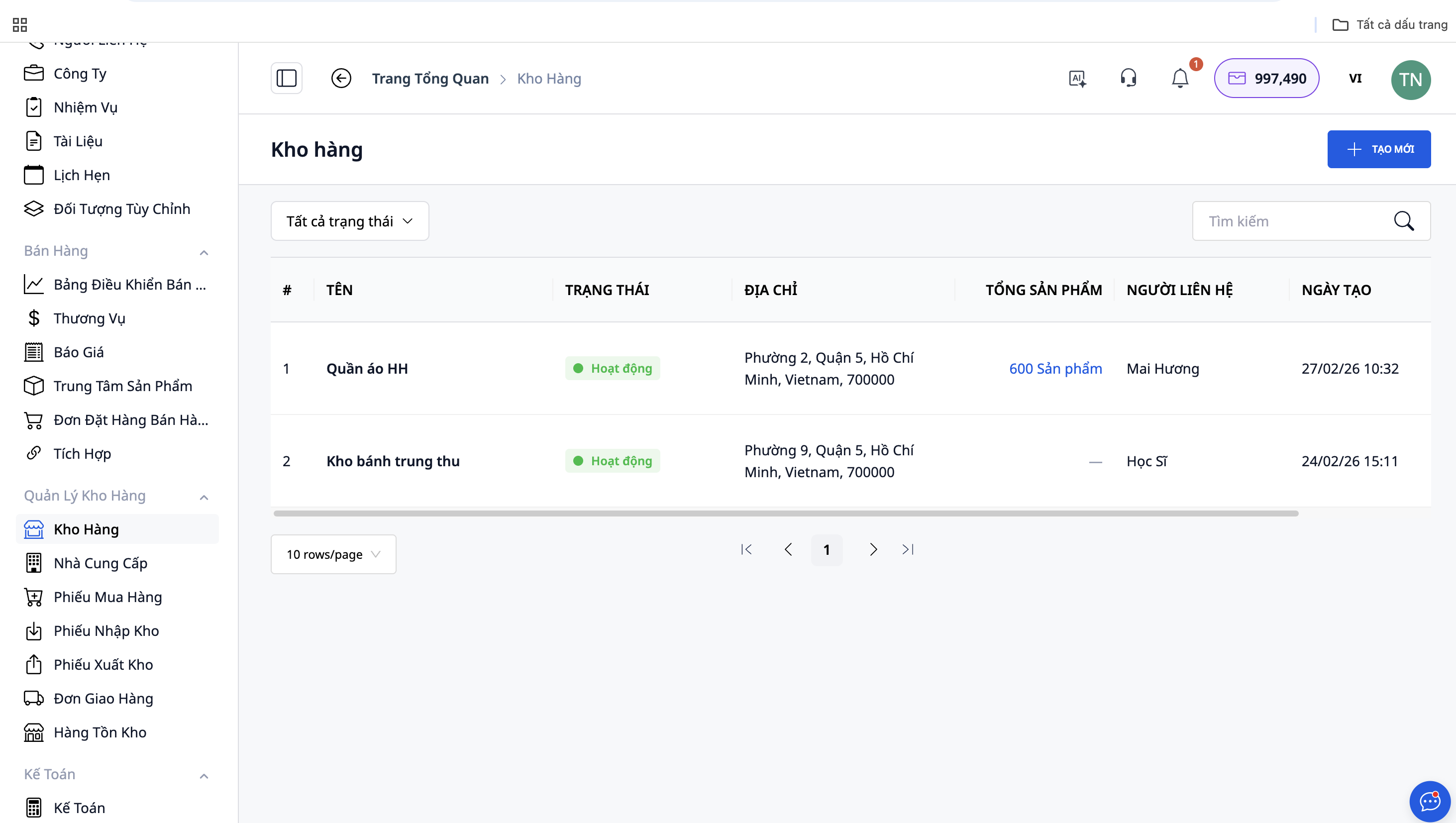
You need to fill in the following information:
- Warehouse Name: Choose a memorable name that accurately reflects the product type or location. For example: "Clothing Warehouse", "Accessory Warehouse", or "Hanoi Branch Warehouse".
- Warehouse Code: The system can auto-generate a code, or you can set one for easier management.
- Status: Select "Active" for the warehouse to be immediately usable.
- Contact Person: Enter the name of the warehouse staff or the person in charge of this warehouse.
- Phone Number: Mandatory for the shipper to contact when picking up goods.
- Email: Not mandatory but recommended for receiving notifications.
- Warehouse Address: This is extremely important information. You need to accurately enter the street address, city, district/ward, and postal code, as this is where the shipper will pick up the goods.
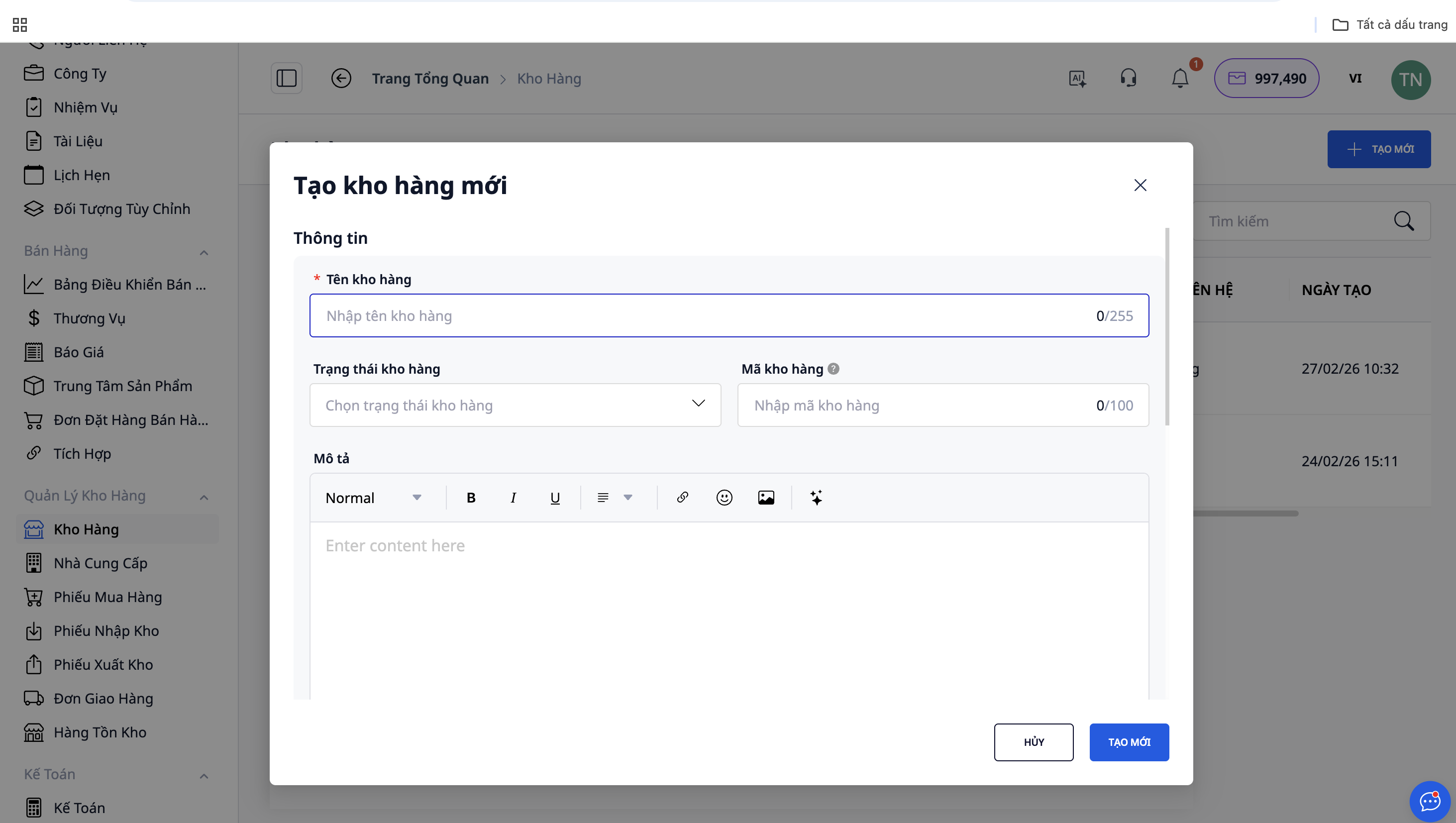
After filling in all the information, click Save. You now have your first warehouse in the system. You can create more warehouses if you operate in multiple locations or categorize products by individual warehouses.
Learn more: Easier Inventory Management with GTG CRM's Feature
Step 2: Create Product
Once you have a warehouse, the next step is to add products to the system. Navigate to Product Hub from the left-hand menu, then click Create New.
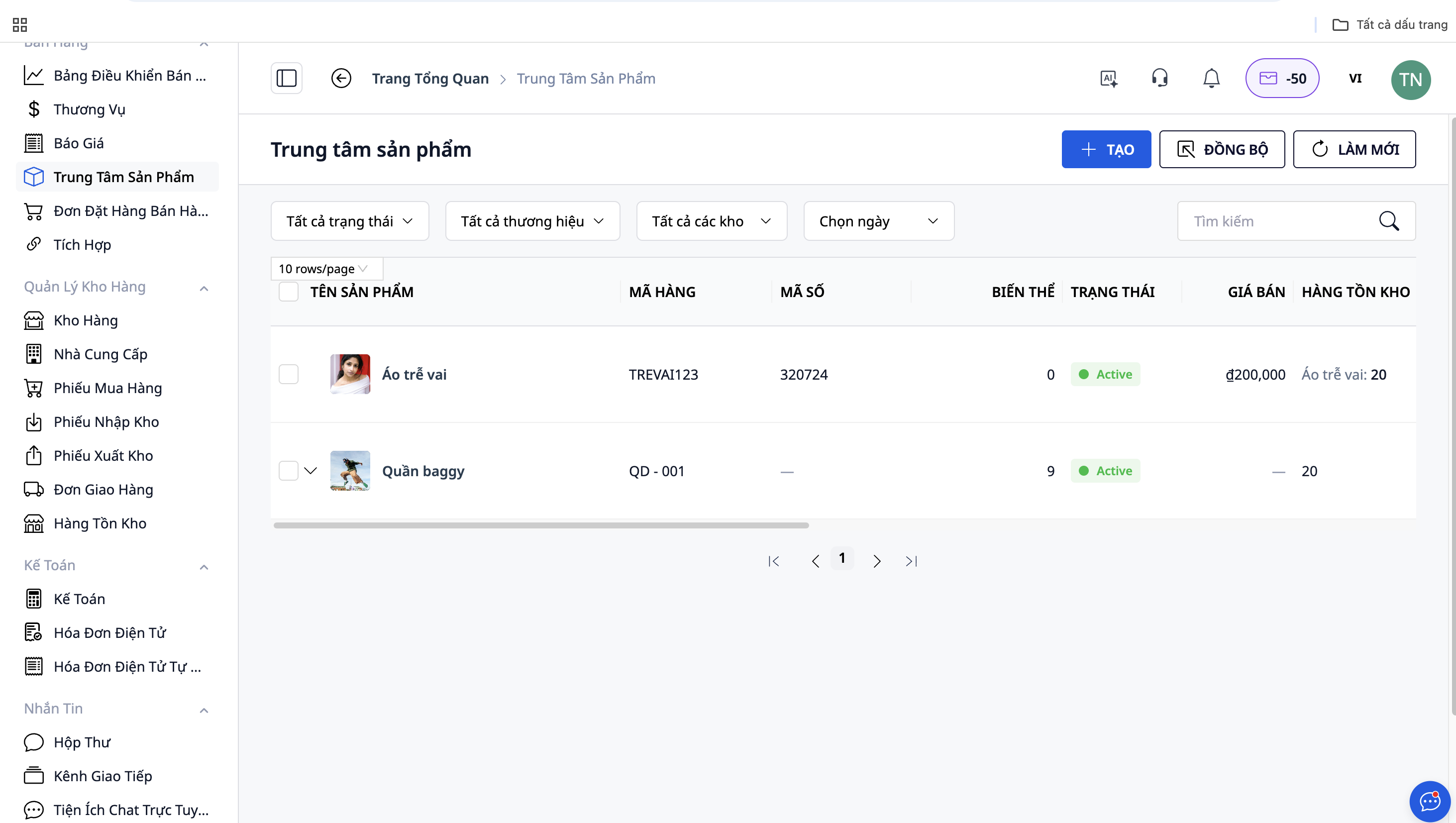
When creating a product, pay attention to the following information:
- Product Name: Use a clear and understandable name. For example: "Mickey Pants", "Men's Round Neck T-shirt", "Floral Maxi Dress".
- SKU (Stock Keeping Unit): This is a unique identifier for the product and is extremely important. SKUs help the system recognize identical products across different sales channels. If you sell the same product on Shopee, TikTok Shop, Lazada, Facebook, and your website, ensure the SKU is the same across all channels for the system to automatically sync inventory.
- Product Type: Select the appropriate product type from the available list.
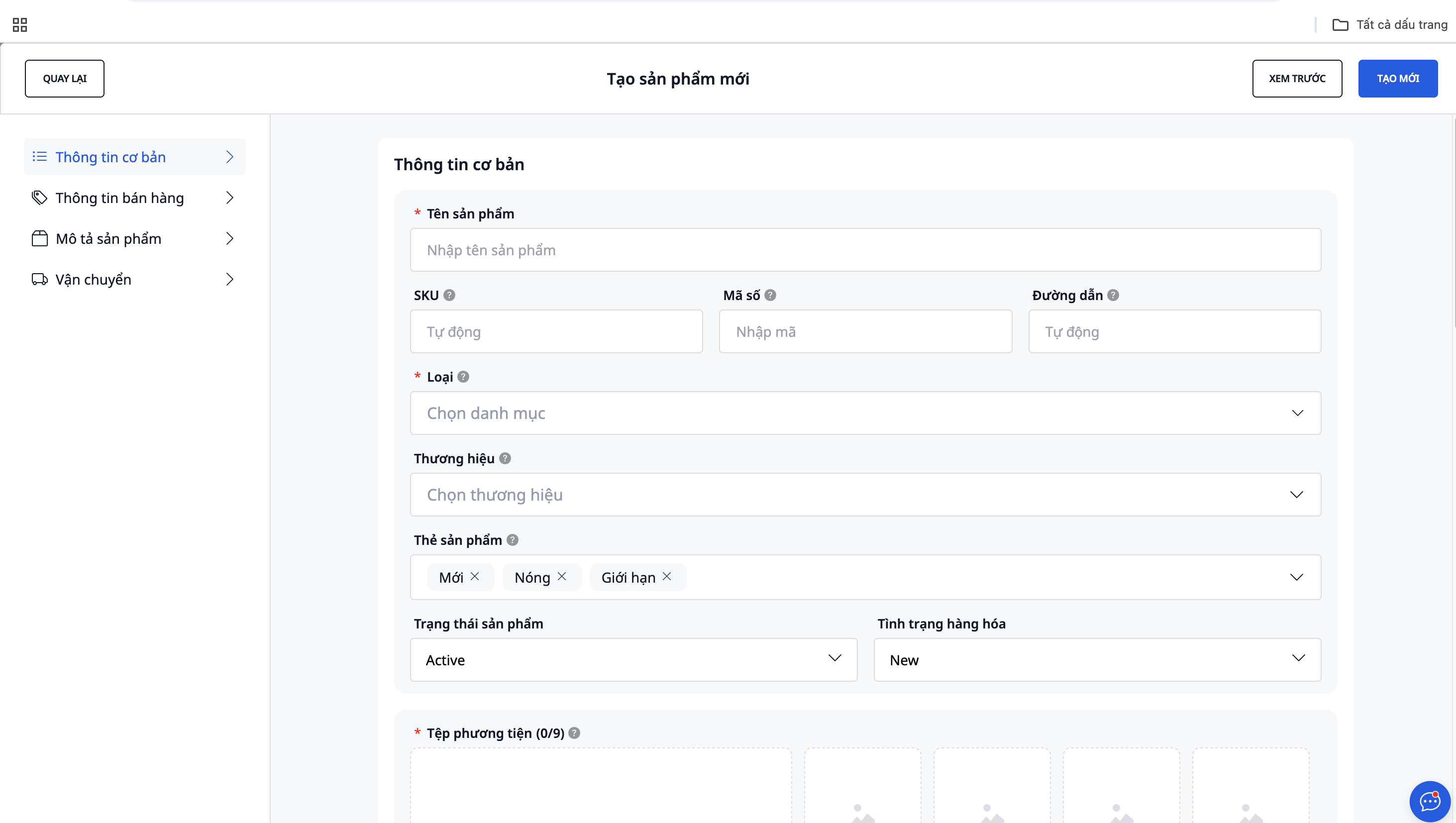
After filling in the product description, price, images, and warehouse information, click Save to complete.
Step 3: Create Professional Sales Images
One of GTG CRM's standout features is its ability to create professional sales images based on existing templates. Instead of hiring a designer or editing each image yourself, you can use this tool to generate a batch of attractive sales images in just a few minutes.
Steps:
- Navigate to the product page you want to create sales images for
- Select the "Create Sales Image" or "Marketing" feature
- Choose a template that suits your product's style
- Upload your product image - the system will automatically integrate it into the template
- Customize information: product name, price, promotions, slogan
- Preview and download the completed image
Step 4: Procurement and Supplier Management
To have inventory, you need to procure goods from suppliers. Create supplier information in the system for professional sourcing management.
- Navigate to the Suppliers section in the Inventory Management menu
- Click Create New and fill in supplier information: name, phone number, address, email, and payment terms
- Create an Incoming Goods Slip with information: receiving warehouse, supplier, product, quantity, and purchase price
- Confirm the incoming goods slip - the quantity will be automatically updated in your warehouse inventory
Step 5: Connect Sales Channels
One of GTG CRM's strengths is its ability to automatically receive orders from various sales channels.
Supported Channels:
- Own Website: Direct integration for automatic order reception
- Facebook: Automatic order creation from Messenger or comments
- Shopee: Two-way order synchronization
- TikTok Shop: Centralized order reception and processing
- Lazada: Automatic order synchronization
How to Connect:
- Go to Settings → Sales Channels
- Select the channel you want to connect
- Authorize GTG CRM
- Wait for confirmation of successful connection
Learn more: Multi-channel Order Management with GTG CRM's Features
Step 6: Create Orders
Manual Order Creation
When a customer orders via phone or through unintegrated channels:
- Navigate to Sales → Create New Order
- Fill in customer information, select products, shipping warehouse, and shipping method
- Click Save - the order will be in "On Hold" status
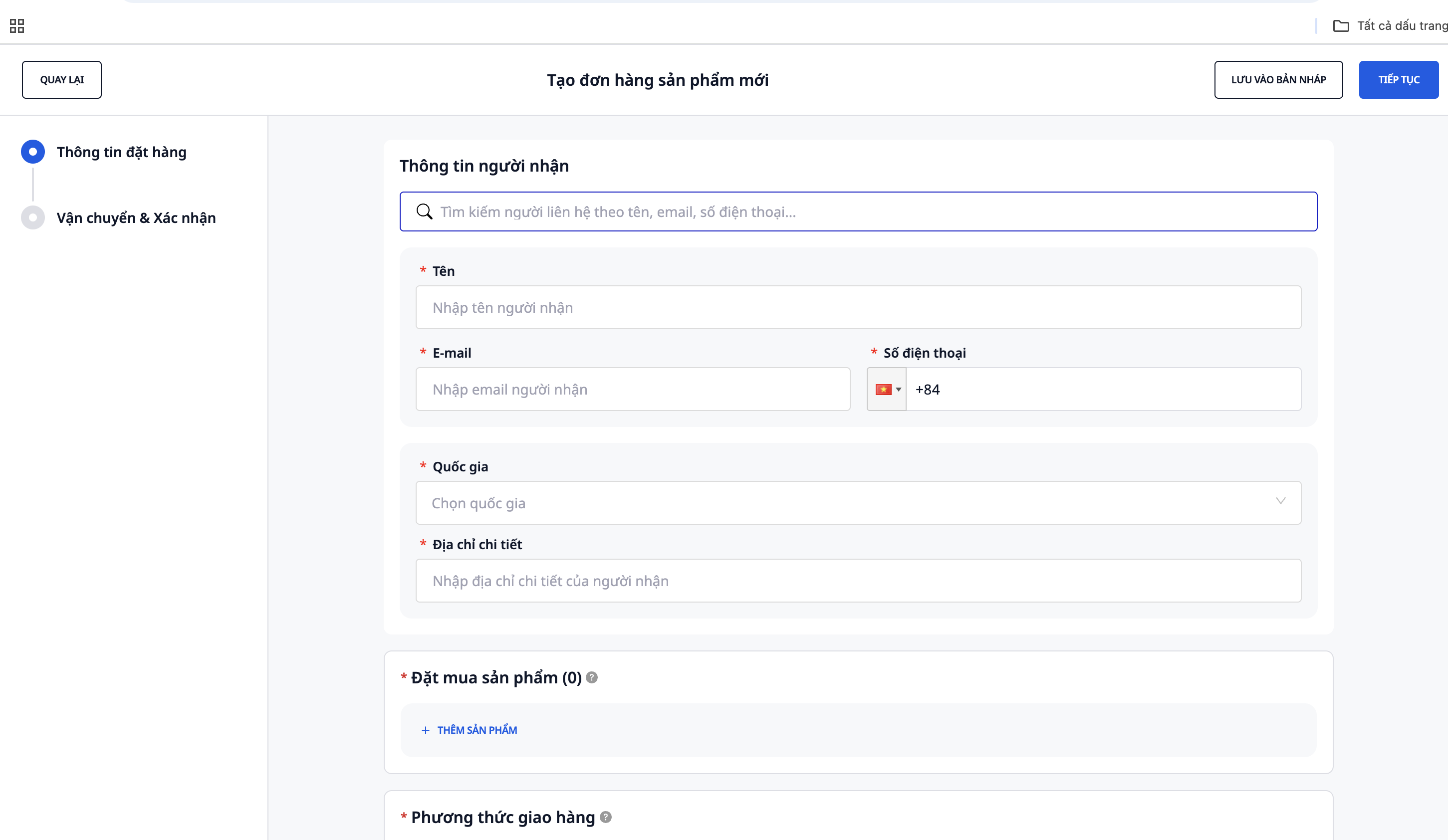
Automatic Order Reception
Once sales channels are connected, orders automatically appear in the system with clear sources: Shopee, TikTok Shop, Lazada, Facebook, Website.
Note:
- Sellers must actively change the order status to "Pending Processing" to sync with GTG CRM.
- Link warehouses and products between platforms and GTG CRM for the system to accurately record inventory.
Step 7: Process Orders and Ship
After confirming the order with the customer, you need to change the order status for the system to automatically create an outgoing goods slip.
- Go to Sales Orders, confirm the order → the system will automatically create an Outgoing Goods Slip
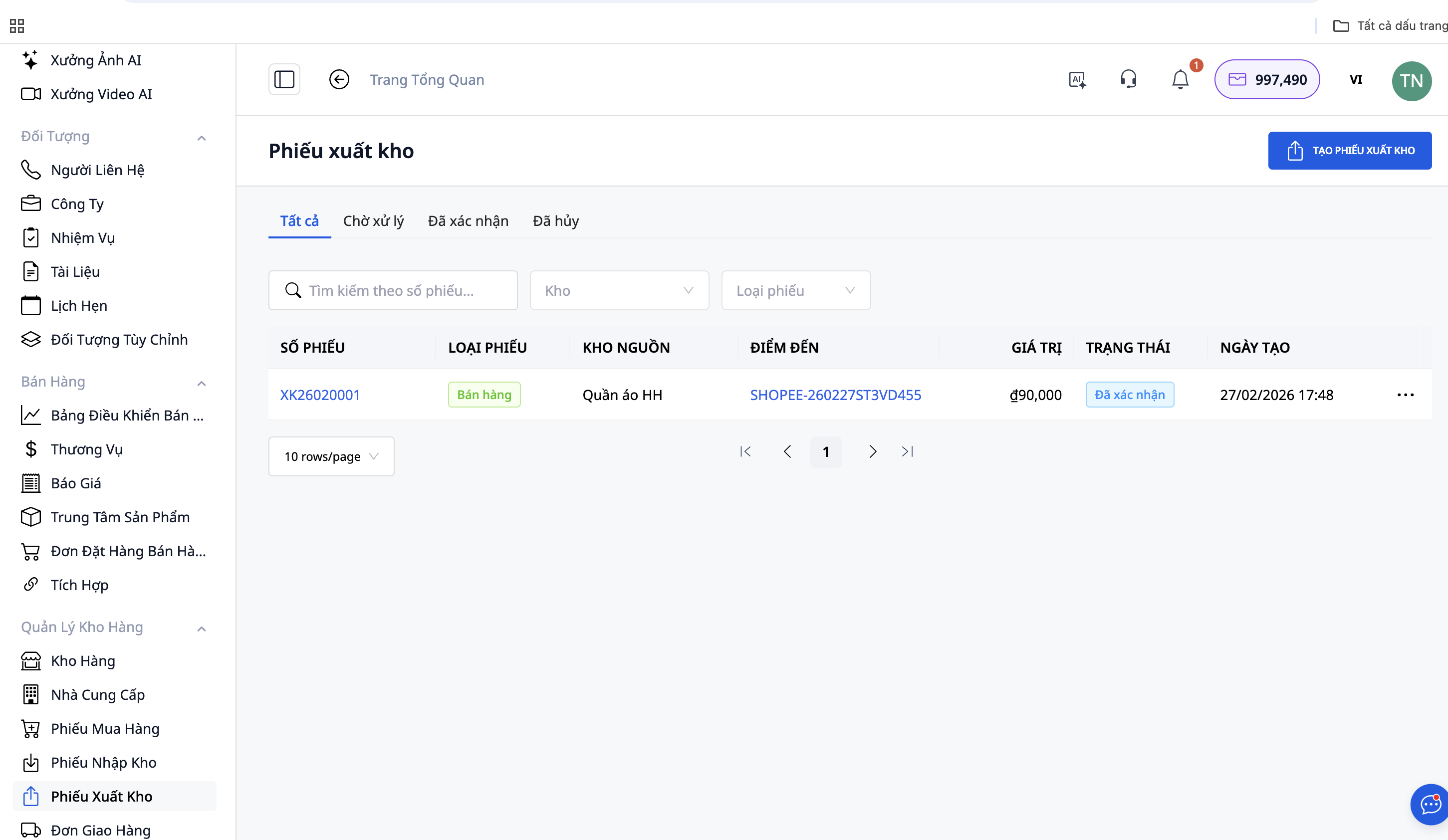
- Check the outgoing goods slip information: shipping warehouse, product, quantity, delivery address
- Prepare goods according to the outgoing goods slip
- Click Confirm Shipment when the shipper arrives to pick up the goods
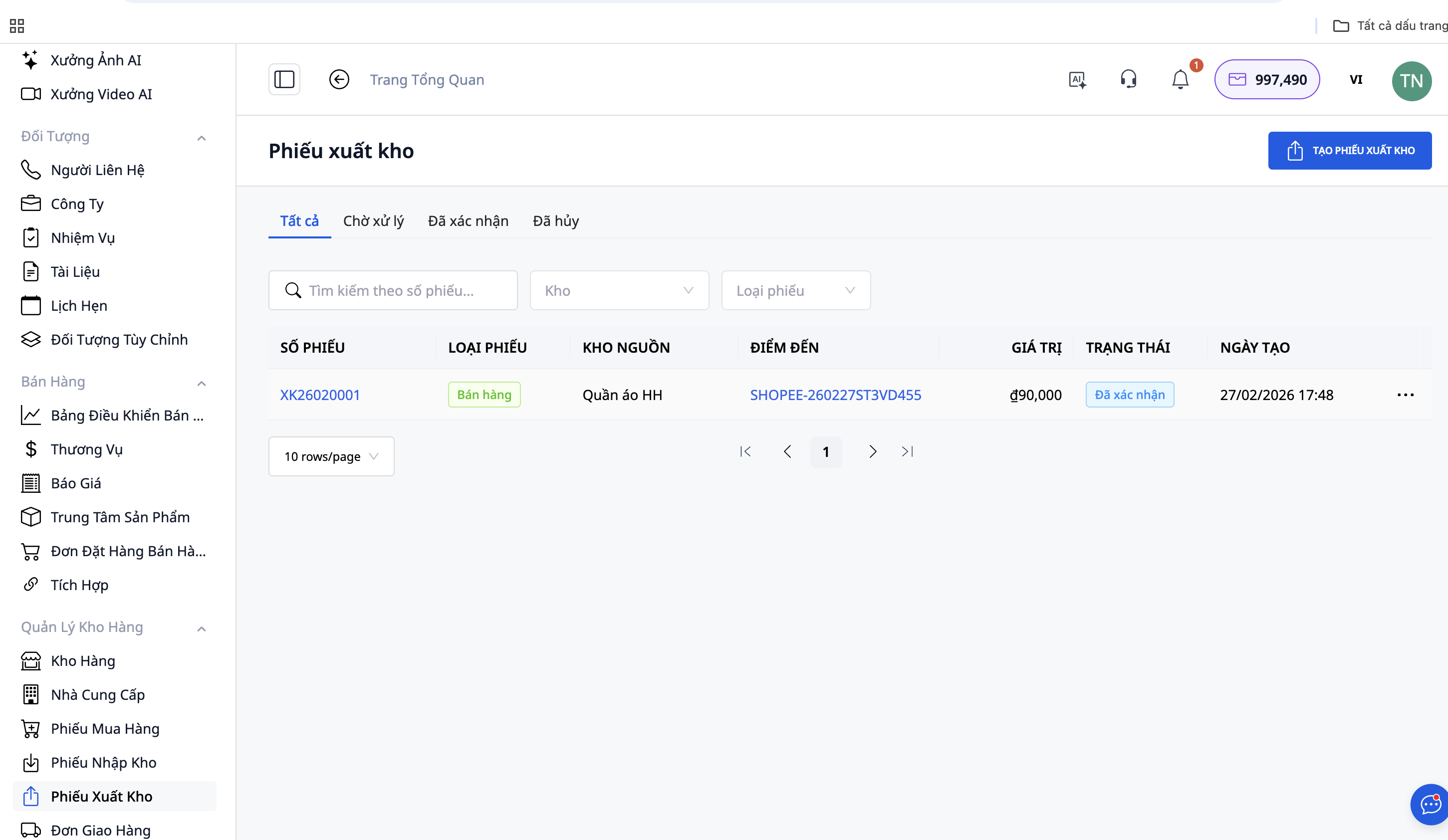
- After confirmation, the warehouse automatically deducts sold products
- When the customer receives the goods, change the order status to "Completed"
Step 8: Issue Invoices
GTG CRM supports electronic invoice issuance to comply with legal tax declaration regulations:
- Navigate to the E-invoices section
- Select completed orders to create invoices
- The system can automatically generate invoices or you can create them manually
- Check the information and issue
Note: For authorized platforms that handle invoice issuance, you do not need to perform this step.
Learn more: GTG CRM Helps Manage and Issue Invoices Automatically
Benefits of Using GTG CRM
- Centralized Management: Warehouse, products, orders, and invoices on a single platform
- Automatic Order Reception: Sync from Shopee, TikTok Shop, Lazada, Facebook, website
- Create Professional Sales Images: Based on existing templates, no designer needed
- Automate Processes: From outgoing slip creation to inventory updates
- Effective Inventory Control: Instant updates upon receiving/shipping goods
- Minimize Errors: Eliminate manual data entry mistakes
- Multi-channel Selling Support: Centralized management of all orders
Important Notes
- Consistent SKUs: Ensure SKUs are identical across all channels for accurate inventory syncing
- Accurate Warehouse Address: Shippers rely on this address for pickup
- Full Channel Connectivity: Maximize the automatic order reception feature
- Review Automatic Orders: It's still advisable to check information before processing
Conclusion
GTG CRM is a comprehensive solution for retailers, online store owners, and small businesses looking to professionally manage their entire process from procurement to order fulfillment. With powerful automation features, you can focus on selling and growing your business instead of spending time on complex administrative tasks.